
Insects: bees and wasps
Carpenter Bee (Xylocopa sonorina)
Honey Bee (Apis mellifera)
Ensign Wasp (Evania appendigaster)
Black and Yellow Mud Dauber (Sceliphron caementarium)
Black Delta Vespid Wasp (Delta curvatum)
Paper Wasp (Polistes aurifer)
Ichneumon Wasp (Meteorus laphygmae) ?
Ichneumon (Spolas sp.) ?
*Little Wasp (Spolas sp.) ?
*Black-bottom Wasp ( ) ?
*Miniature Wasp ( ) ?
Parasitic Wasp ( ) ?
Unknown Parasitic Wasp ( ) ?
Names preceded by an asterisk indicate common names that I have made up.
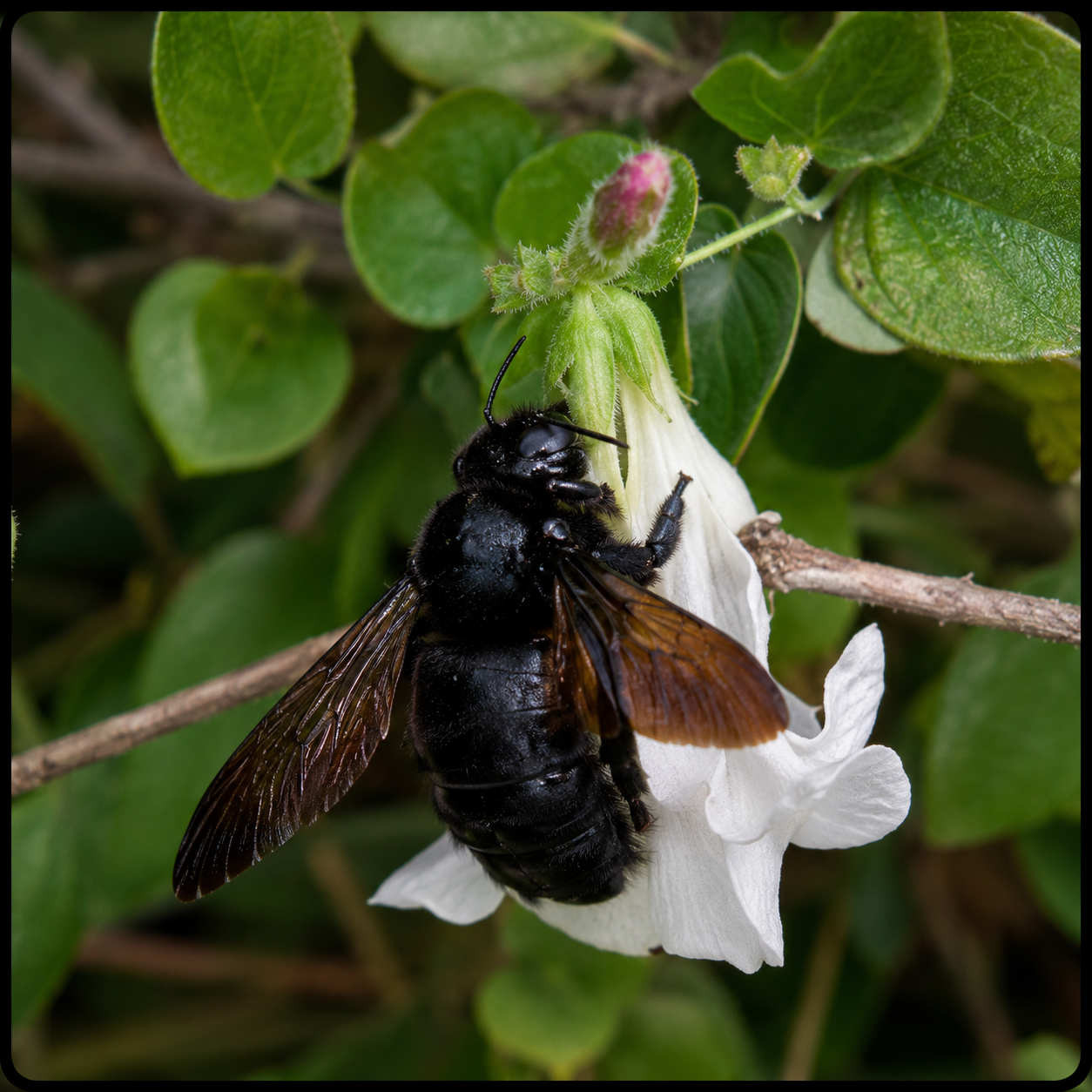
Carpenter Bee
These bees bore holes in wood to build their nest.
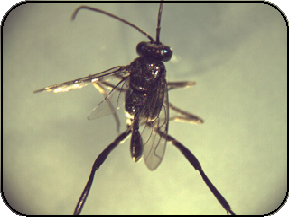
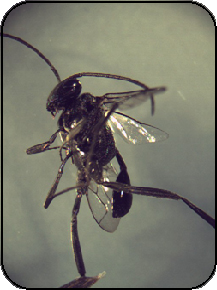
Ensign Wasp
This wasp is a cockroach egg parasitoid. It lays a single egg in a cockroach egg case where the developing larva undergoes five molts during which time it devours all of the cockroach eggs.
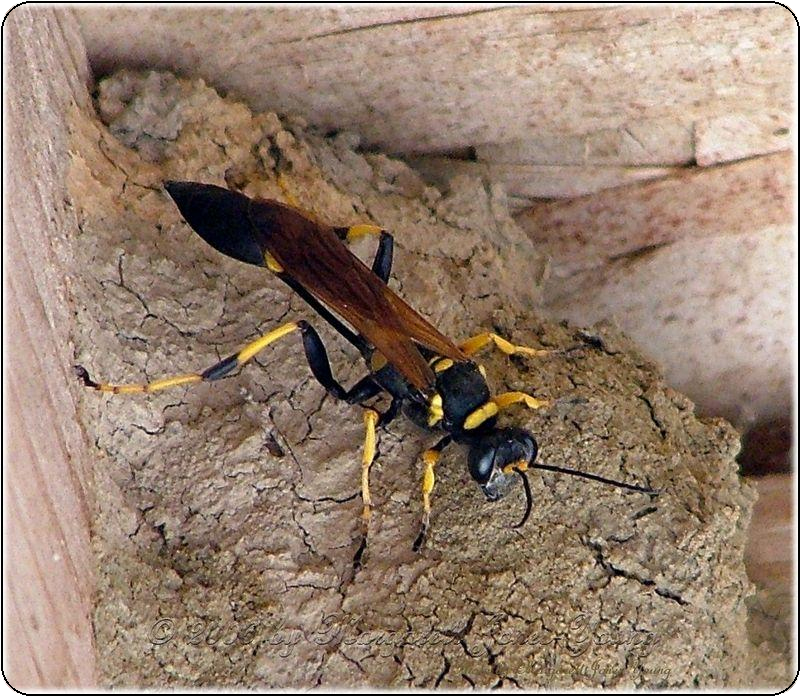
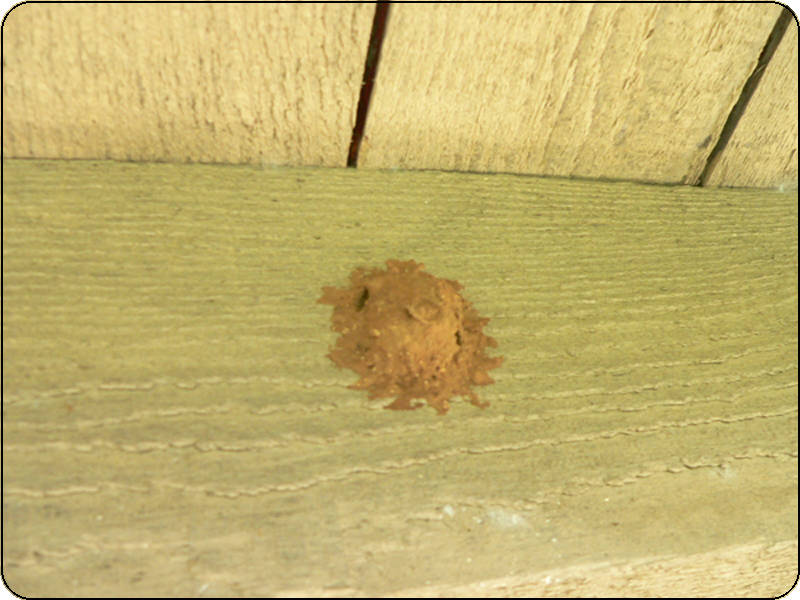
Black and Yellow Mud Dauber
This nest is approximately 5 cm in diameter. Specimen seen but not collected; thus identification remains to be confirmed.
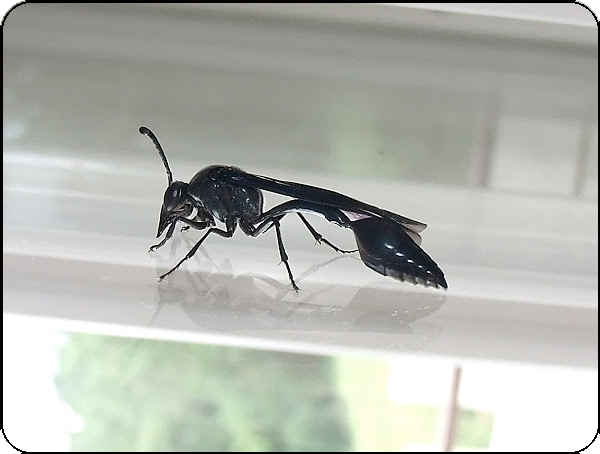
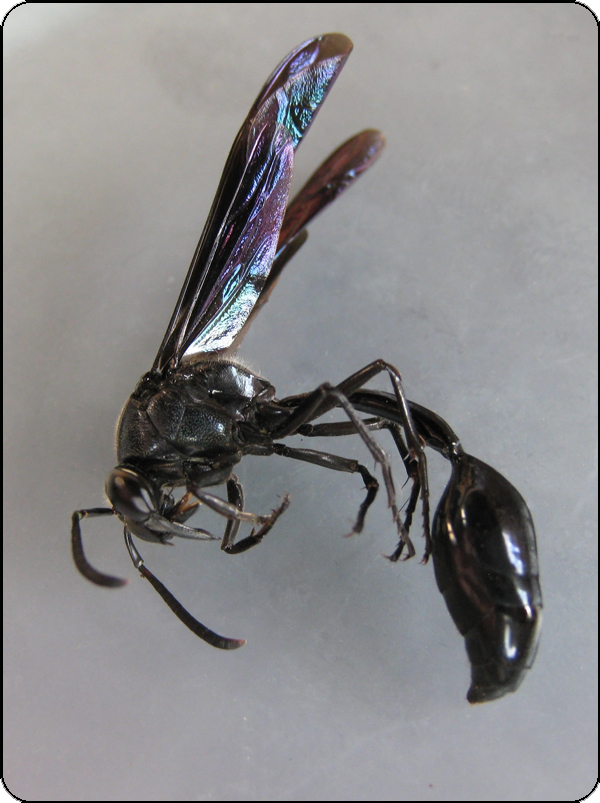
Photo of my specimen. Body length 4.5cm.
Also known as Mud-dauber Wasp.
Black Delta Vespid Wasp
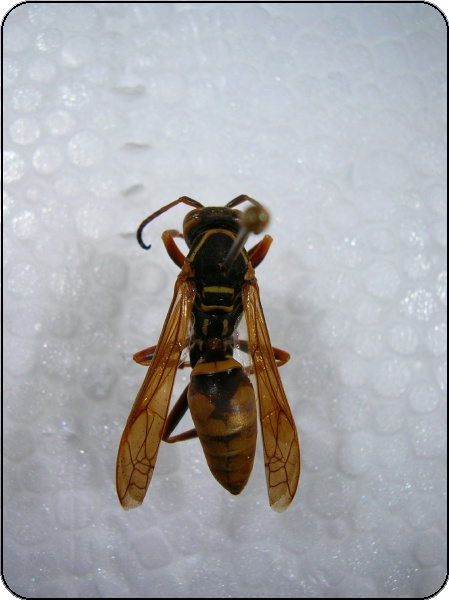
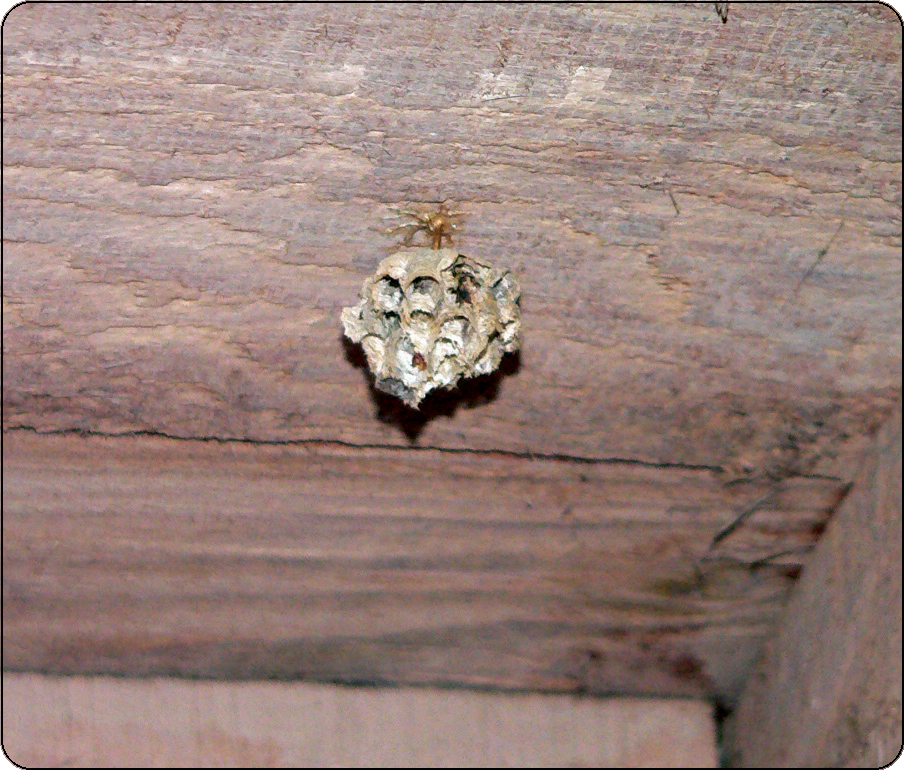
Paper Wasp
This paper wasp nest is about 2.5 cm across. Specimen seen but not collected; thus identification remains to be confirmed.
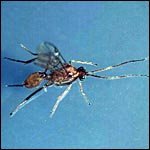
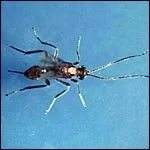
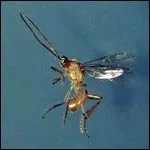
Ichneumon wasp
This is an introduced ichneumon, a wasp parasitic on other insects. ID by David Preston of the Bishop Museum.
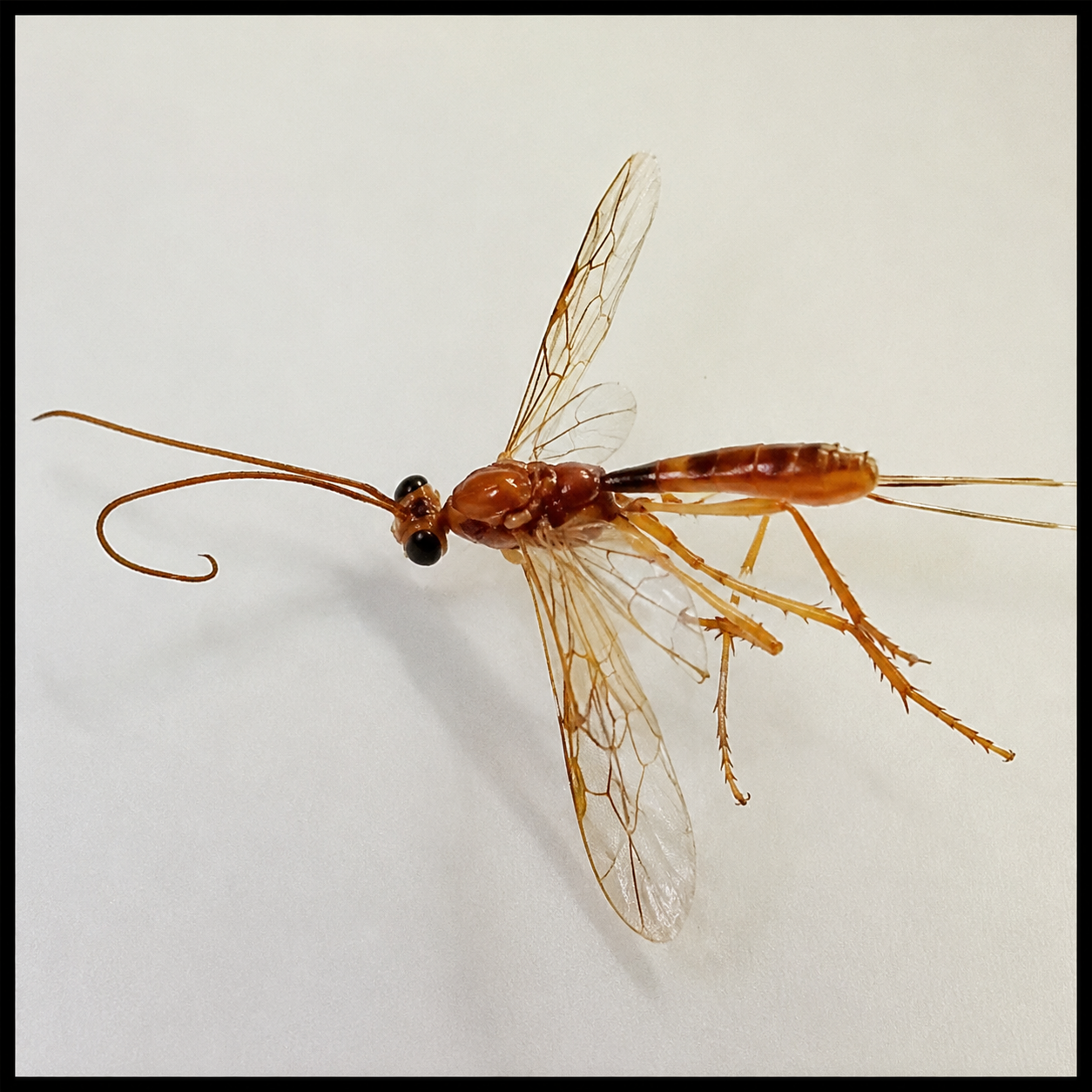
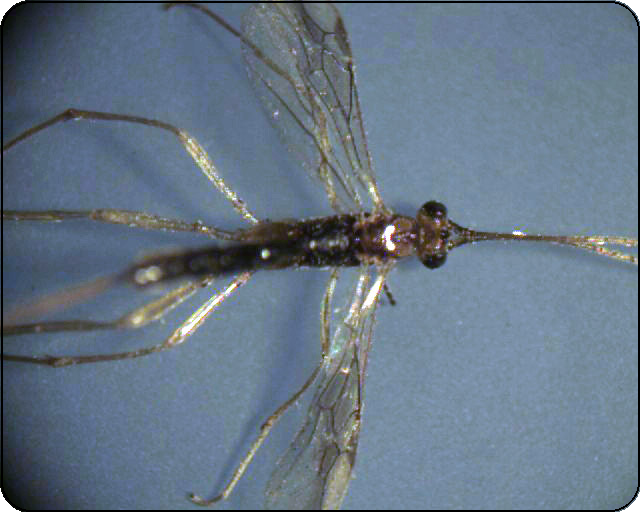
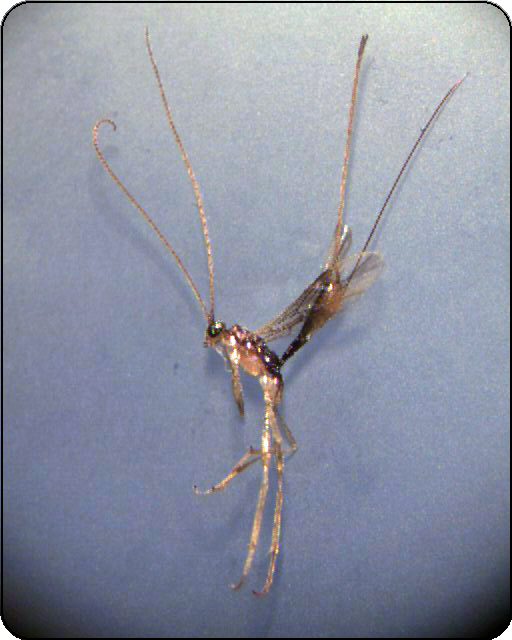
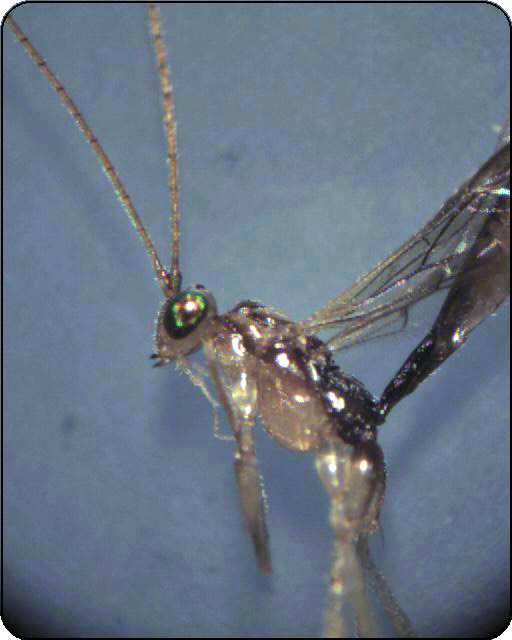
Ichneumon Wasp
This is an endemic species of ichneumon, a wasp parasitic on other insects.
ID by David Preston of the Bishop Museum.
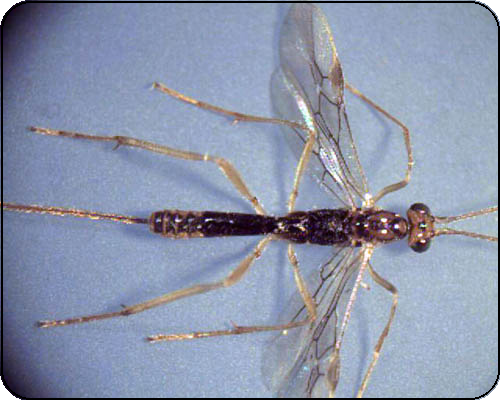
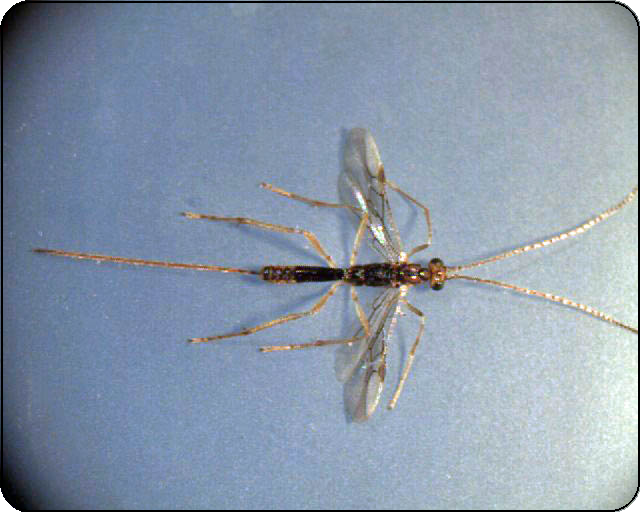
Little Wasp
ID by David Preston of the Bishop Museum
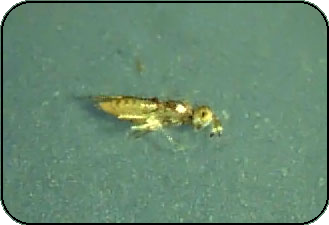
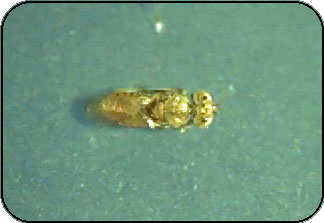
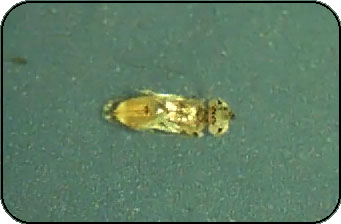
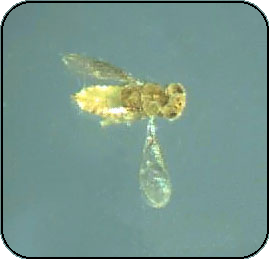
Miniature Wasp
This wasp is only 1 mm long.
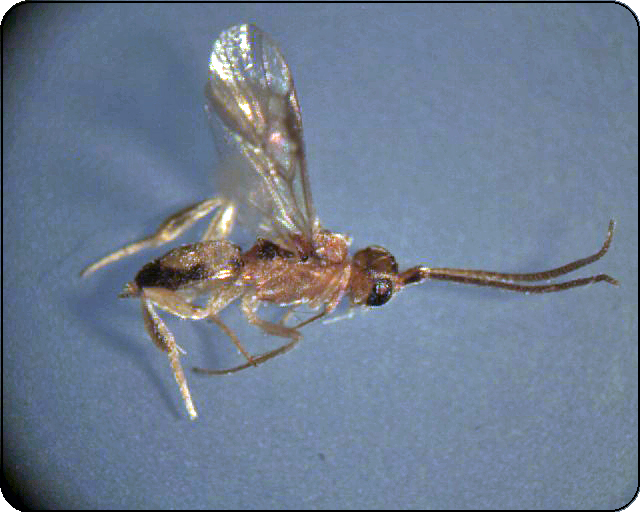
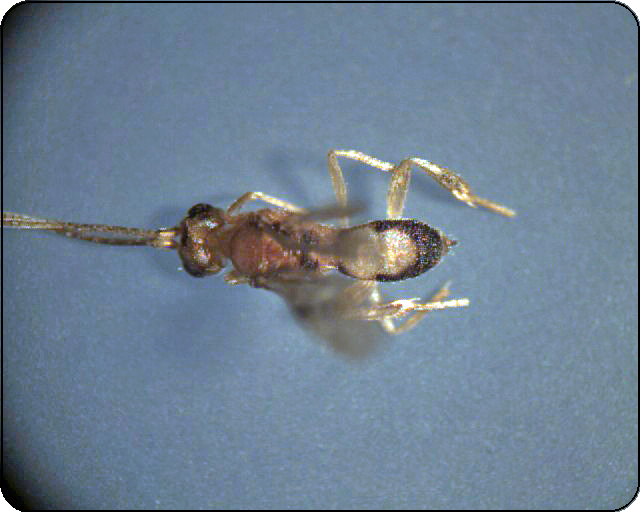
Black-Bottom Wasp
ID by David Preston of the Bishop Museum
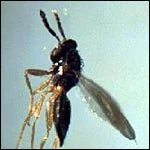
Parasitic Wasp
Body length about 1mm in length.
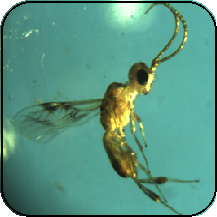
Unknown Parasitic Wasp
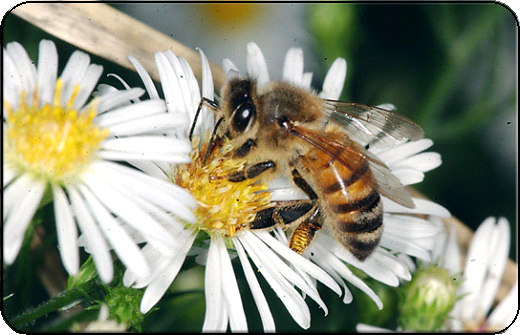
Honey Bee
Intentionally introduced from California in 1857 to produce honey and pollinate crops.