
Birds
Java Sparrow (Padda oryzivora)
Red-vented Bulbul (Pycnonotus cafer)
Red-whiskered Bulbul (Pycnonotus jocosus)
Northern Cardinal (Cardinalis cardinalis)
Brazilian Cardinal (Paroaria coronata)
Mejiro (Zosterops japonicus)
Common Myna (Acridotheres tristis)
Zebra Dove (Geopelia striata)
Lace-necked Dove (Streptopelia chinensis)
White-rumped Shama (Copsychus malabaricus)
Red-billed Leiothrix (Leiothrix lutea)
Common Waxbill (Estrilda astrild)
Pacific Golden Plover (Pluvialis fulva)
Mallard (Anas platyrhynchos)
Rose-ringed Parakeet (Psittacula krameri)
O'ahu Amakihi (Hemignathus flavus)
House Finch (Carpodacus mexicanus)
White-tailed Tropicbird (Phaethon lepturus dorotheae)
Japanese Bush Warbler (Cettia diphone)
Chestnut Munia (Lonchura atricapilla)
White Tern (Gygis alba)
Cattle Egret (Bubulcus ibis) Oahu Elepaio (Chasiempis ibidis)
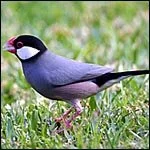
This bird is native to Indonesia and was introduced first in 1867 and later reintroduced in the late 1960's.
Java Sparrow
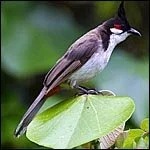
This beautiful bird is fairly rare outside of the Honolulu area. It was an unauthorized cage release in 1965 and is slowly spreading.
Red-whiskered Bulbul
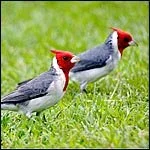
Also known as the Red-Crested Cardinal, it was introduced around 1930 from South America. It feeds on seeds, plant matter, insects and fruit.
Brazilian Cardinal
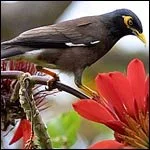
The common myna was introduced from India in 1865 by Dr. William Hildebrand to combat plagues of Army worms.
Common Myna
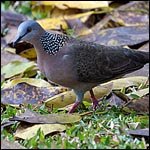
Also known as the Mountain Dove, Spotted Dove or Chinese Dove, it's been in Hawai'i since the mid-1800's.
Lace-necked Dove
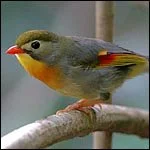
Native to southern China, Southeast Asia and the Himalayan region of India. Deliberately introduced first in 1918 on Kauai and then to other islands beginning in 1928.
Red-billed Leiothrix
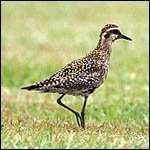
The Plover often flies over my yard but does not land here because of the lack of an open grass area. Another name for this, the most abundant winter visitor, is the Kolea. They return every year from their summer nesting grounds in Alaska. It's also one of the few native birds that one will readily see in the city.
Pacific Golden Plover
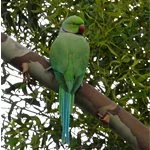
The Rose-ringed Parakeet, or ring-necked parakeet, is originally found in Africa and parts of Asia. It is the only parrot known to have established a breeding population in Hawaii.
Rose-ringed Parakeet
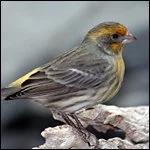
Introduced from California before 1870, it is now widespread on all islands. The color pattern for the House Finch in Hawaii varies from island to island and is generally different from birds on the mainland whose markings are primarily red. On Oahu about 55% of males have yellow markings, 40% have orange markings and 5% have red markings.
House Finch
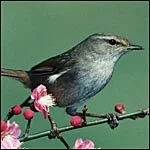
Introduced from Japan in 1929.
Japanese Bush Warbler
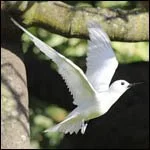
White Terns, also called White Fairy Terns or Fairy Terns, are indigenous to Hawaiʻi and the islands of the Pacific and Indian Oceans. In Hawaiʻi, the vast majority of the birds live in the Northwest Hawaiian Islands. They were first noticed on Oʻahu in 1924 and their numbers and range have expanded ever since. Picture and info from Nate Yuen (http://hawaiianforest.com/wp/white-fairy-terns-nesting-season-2/)
White Tern
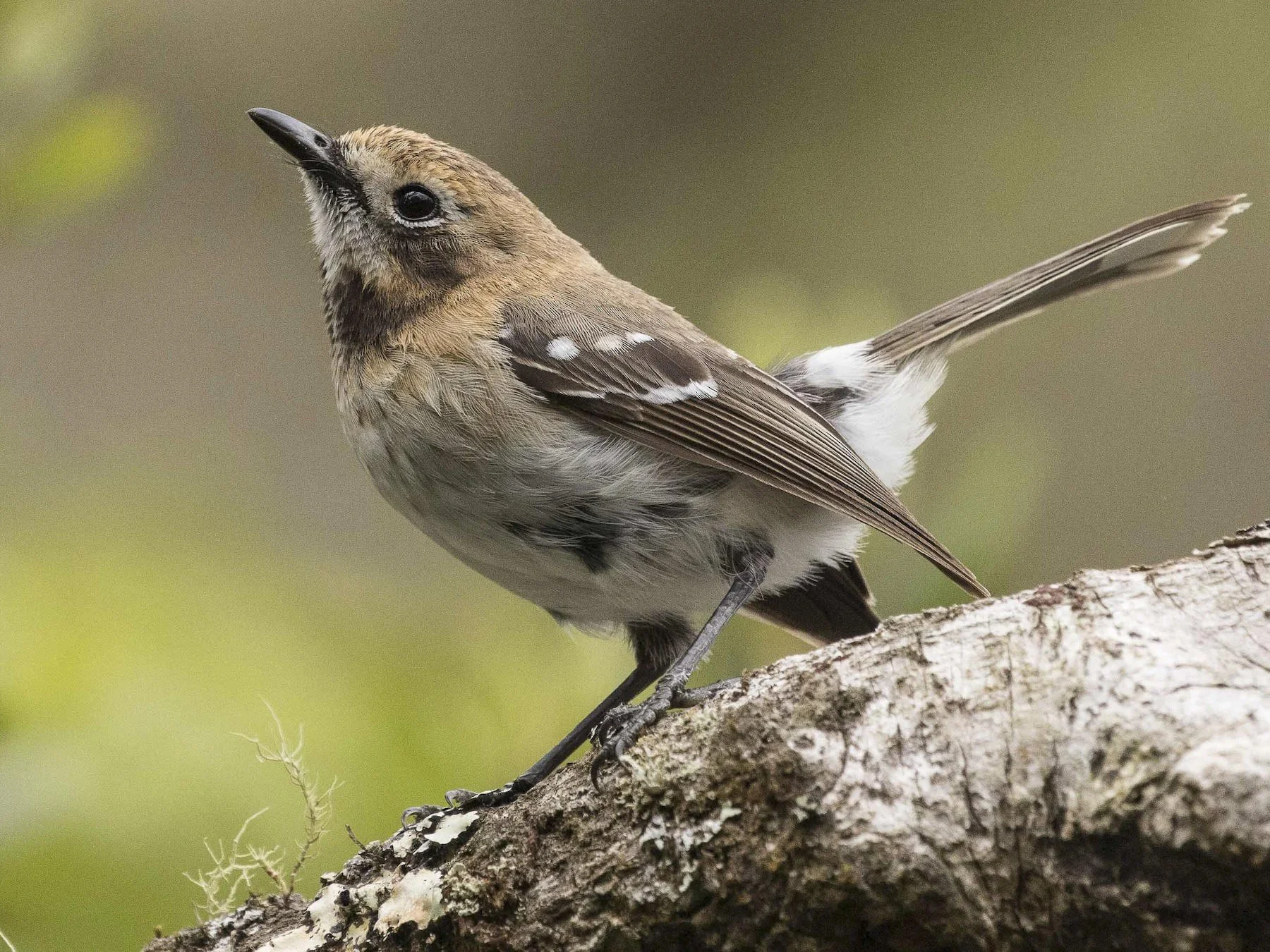
This photo is from Birdsoftheworld.org
The Oahu Elepaio is by far the rarest of the three elepaio species found in Hawaii. It has declined seriously in the last few decades and now numbers only about 1,200 individuals. It is listed as Endangered by the U.S. Fish and Wildlife Service. Observed May 15, 2026.
Oahu Elepaio
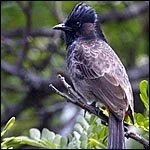
This bird was first seen on Oahu only 50 years ago (1950's) when it was reported as an unauthorized cage release. Now it's quite common on Oahu.
Red-vented Bulbul
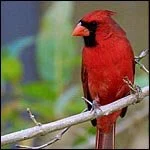
The Red Cardinal was introduced in 1929 and is common in all lowland forests. This bird eats insects, fruits and seeds.
Northern Cardinal
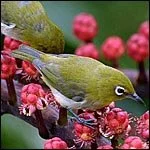
Also known as the Japanese White-eye, it was introduced to Oahu in 1929 from Japan. It's a common small bird in the city as well as the forest.
Mejiro
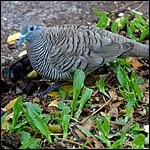
This bird is native to Asia and introduced in 1922.
Zebra Dove
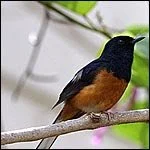
This bird is probably the most beautiful songbird that was introduced to the islands. It was introduced about 1940. Its voice is rich, loud and clear. It is also called “Shama Thrush”.
White-rumped Shama
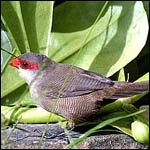
This bird is primarily found on Oahu but has recently also been observed on Maui. It was introduced from Africa sometime in the late 1970's. It is very shy and travels in large groups of individuals that are most easily recognized by their call as they fly away.
Common Waxbill
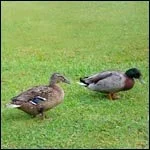
A pair of Mallards (female on left, male on right) on a rare visit to the neighborhood on May 25, 2012. These birds are usually only found near the rivers and streams further down in the valley.
Mallard
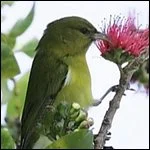
This is a native species about 4 ½ inches long. It is found only on the island of Oahu, where it once occurred throughout the island but is now found only in the Ko'olau and Wai'anae Mountains. Within those areas it utilizes a wide variety of forests with both native and introduced species. It is able to maintain populations at lower elevations than other native Hawaiian passerines, even being found in suburban yards and parks and in highly disturbed areas with large populations of introduced birds. It is thought that this species is expanding into low elevations and repopulating portions of its former range, perhaps by developing resistance to avian malaria and pox.
O'ahu Amakihi
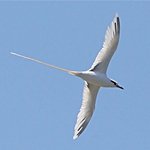
The Tropicbird is a marine bird that feeds on fish and squid. Three of these birds were observed soaring over my house on November 13, 2011, the first such sighting. This photo kindly provided by Tom Grey (tgreybirds.com).
White-tailed Tropicbird
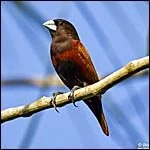
Chestnut Munias were first found in the wild on O'ahu in 1959. It had been identified in the Honolulu cage bird trade since 1936.
Chestnut Munia
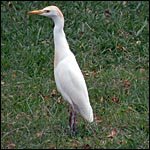
Cattle egrets were introduced into Hawaii in 1959 by the Hawaii Board of Agriculture and Forestry.
Cattle Egret