
Arachnida (spiders, mites, scorpions, etc.)
Adanson’s House Jumper (Hasarius adansoni)
Cane Spider (Heteropoda venatoria)
*Small Web Spider ( ) ?
Red Spider Mite (Tetranychus urticae or Tetranychus cinnabarinus) ?
Daddy Longlegs (Phalangium sp.) ?
*Unknown Small Red Spider ( ) ?
Cobweb Spider (Theridion melanostictum)
Cellar Spider (Smeringopus pallidus)
*1mm Spider ( ) ?
*Stripe-leg Garden Spider () ?
House Spider (Cheiracanthium sp.) ?
Humped Spider (Zosis geniculatus)
Hawaiian Garden Spider (Argiope appensa)
*Arrow-back Web Spider ( ) ?
*Hairyhead Orb Weaver (Neoscona sp.) ?
Yellow Sac Spider (Cheiracanthium inclusum)
Sheet Weaver ( )? Family: Linyphiidae
Spitting Spider (Scytodes longipes)
Crab Spider (Misumessus oblongus)
Names preceded by an asterisk indicate common names that I have made up.
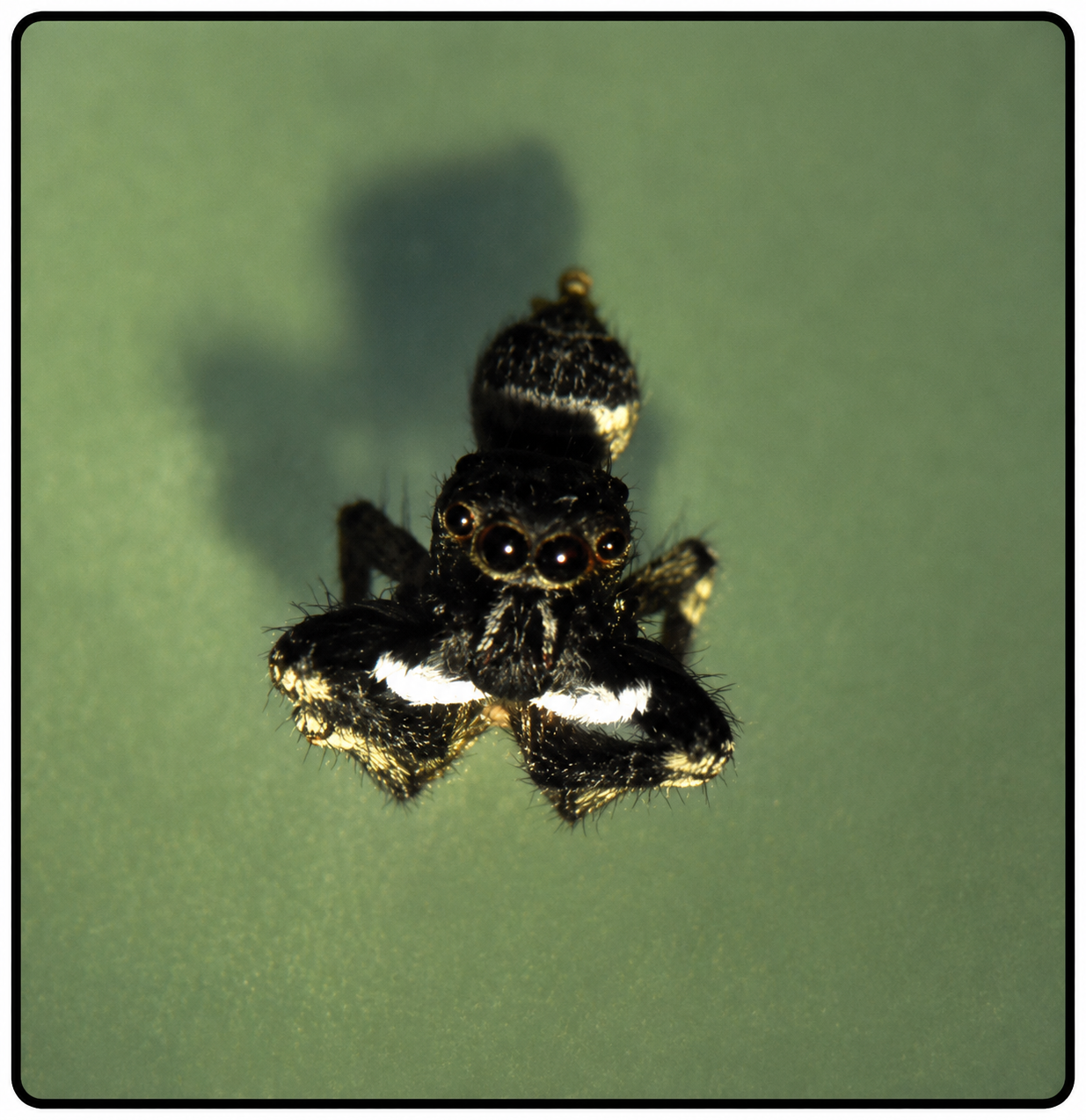
Adanson’s House Jumper
View of face of male.
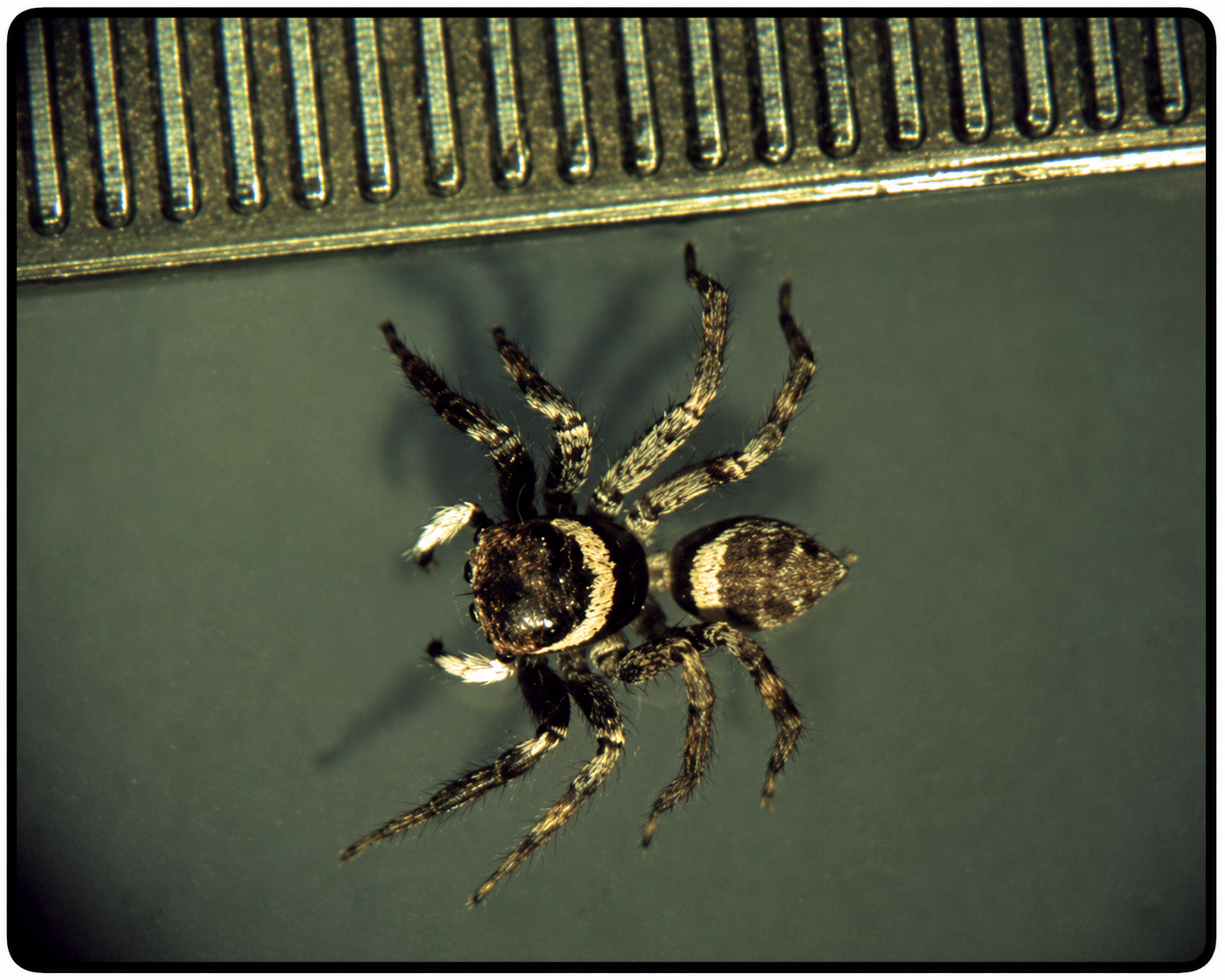
Male, approximately 6mm long.
Female, approximately 7mm in length.
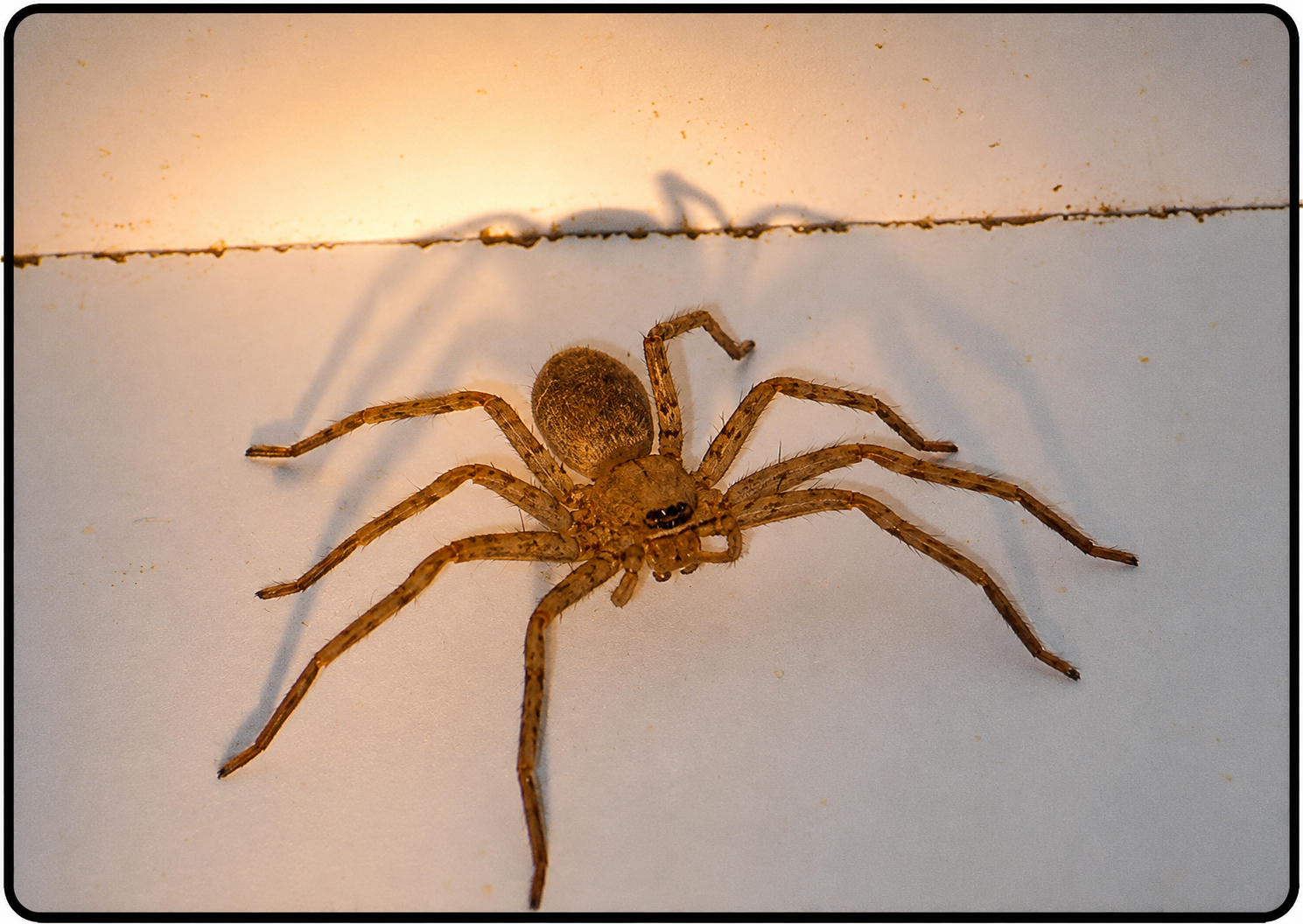
Cane Spider
Non-native, introduced from Asia, possibly on bananas.
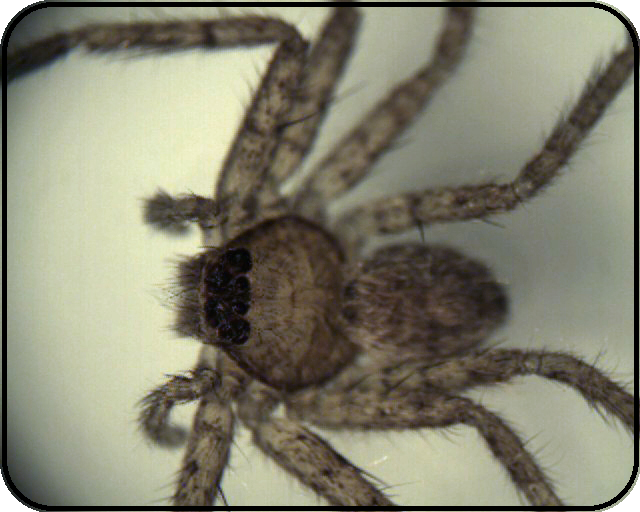
Close-up of baby cane spider.
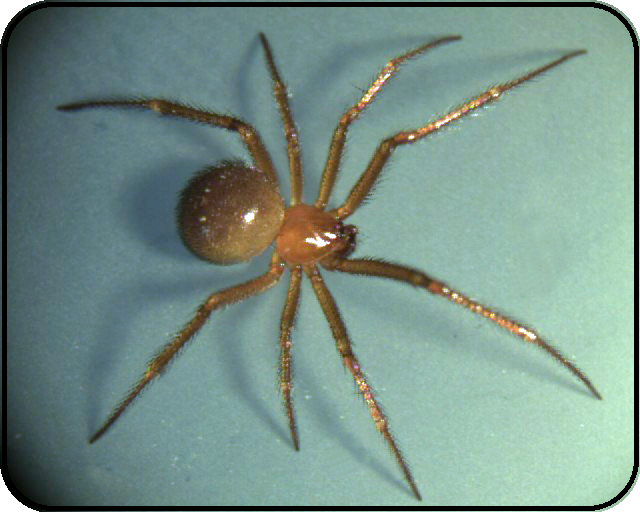
Small Web Spider
Specimen 1. Body
length = 5mm.
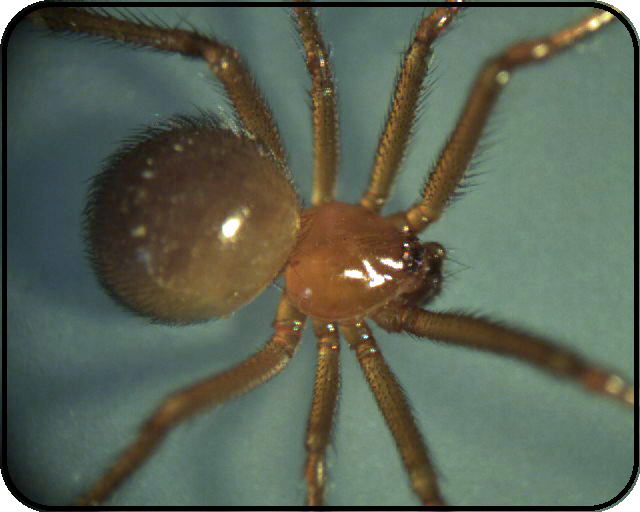
Specimen 1 close-up
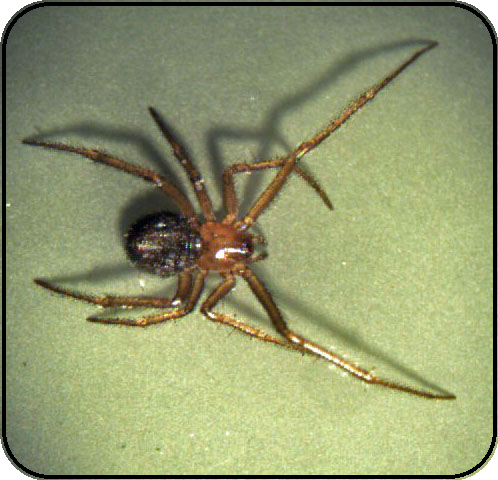
Specimen 2. Body length = 4 mm.
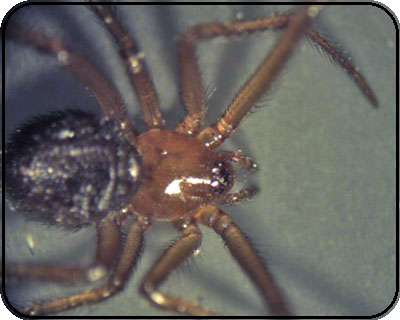
Specimen 2. Body length = 4 mm.
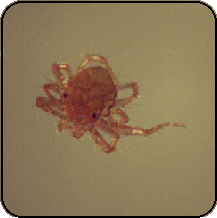
Red Spider Mite
Spider less than 1mm in length.
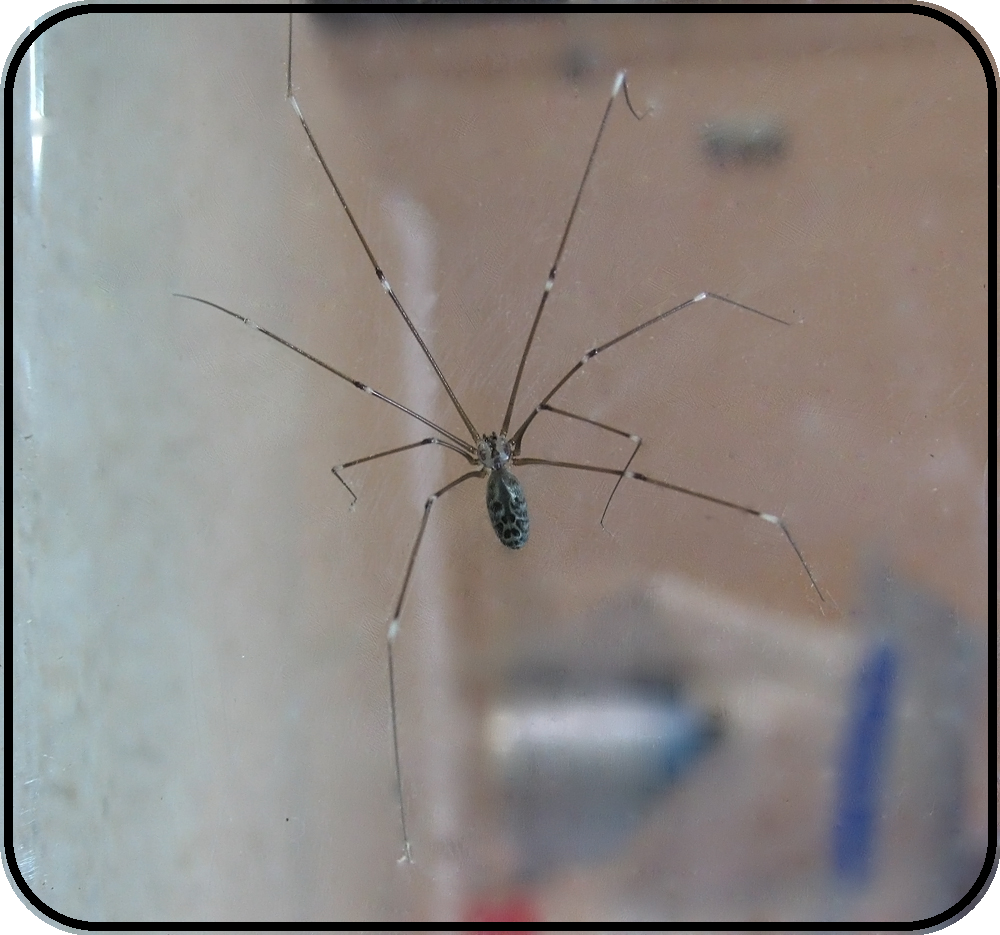
Daddy Longlegs
Body length about 1.5 mm long. Leg length about 2 cm long.
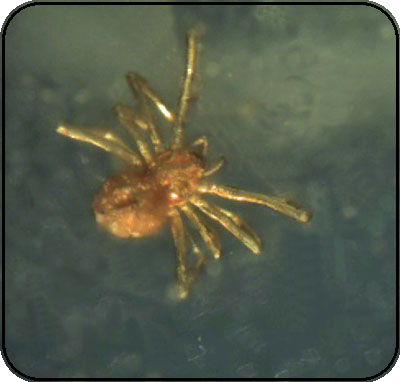
Unknown Small Red Spider
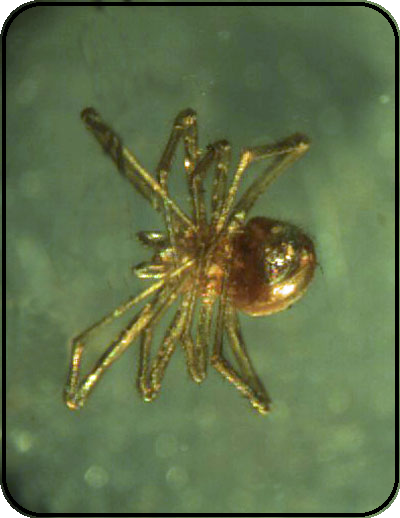
Ventral view. Spider body is about 2 mm long.
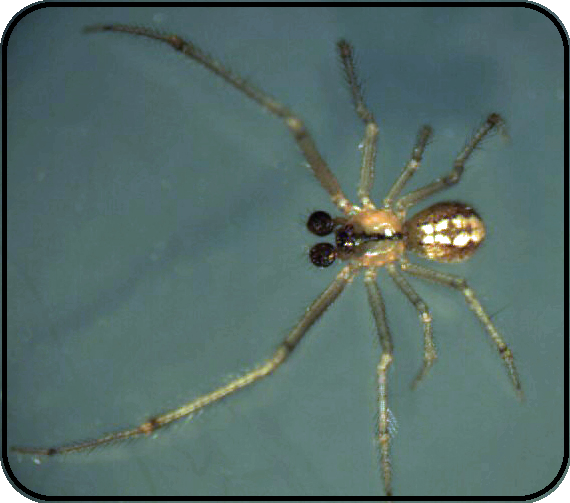
Spider body length = 2 mm.
Per Frank Howarth at the Bishop Museum: “I cannot be sure from the photo, but the pattern and general form match the recently introduced cobweb spider, Theridion melanostictum Cambridge, 1876 (Family Theridiidae). This species is occasionally abundant on foliage in urban and agricultural areas, and the males (which this is) are wanderers and therefore noticed.”
Cobweb Spider
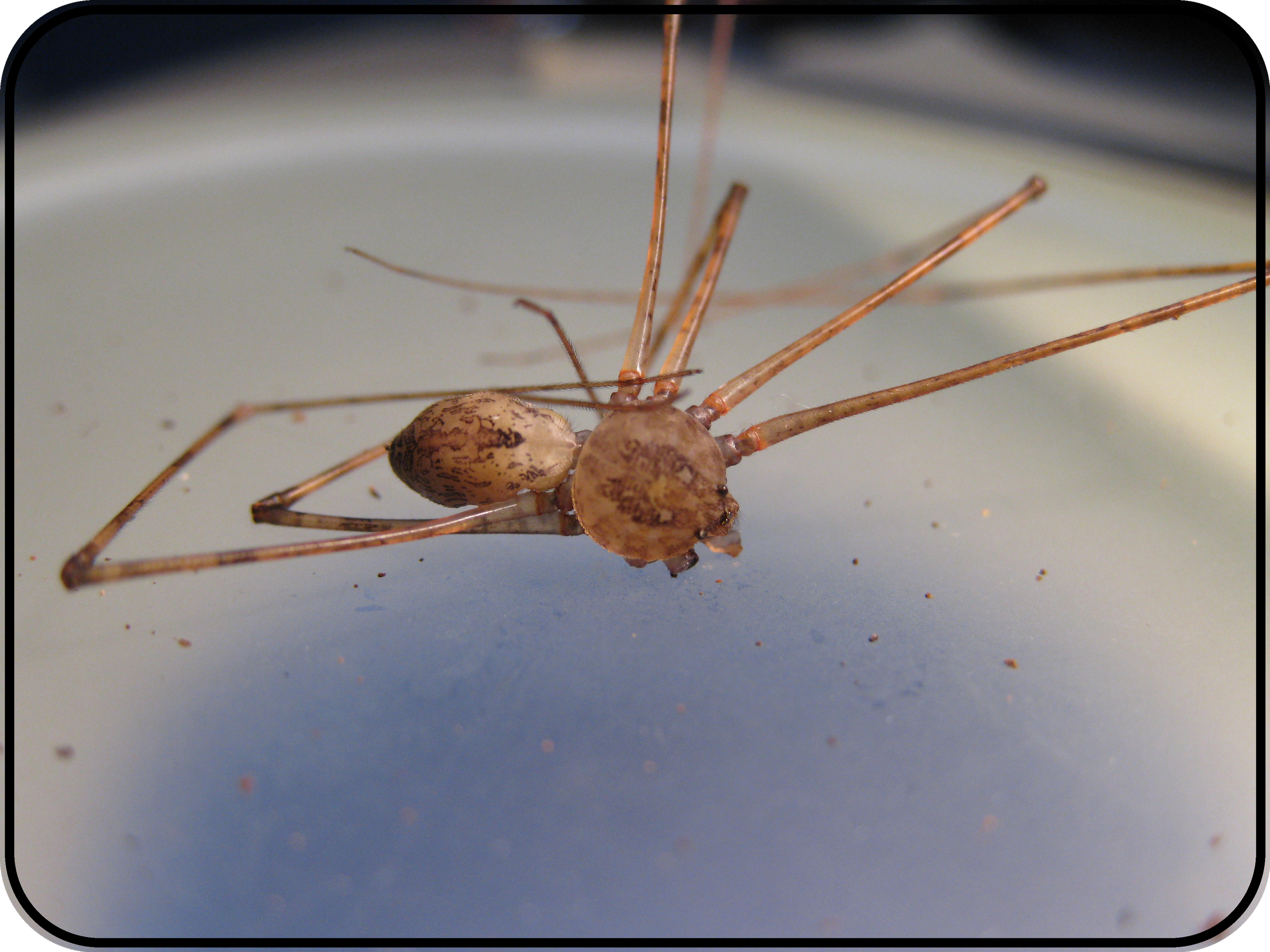
Cellar Spider (aka Pale Daddy
Long-legs)
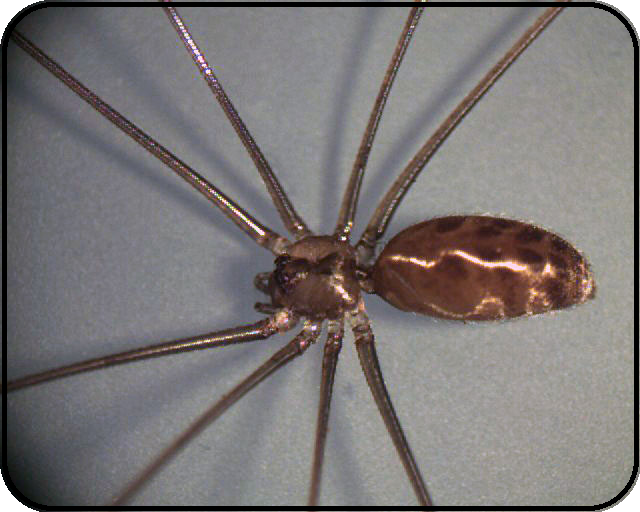
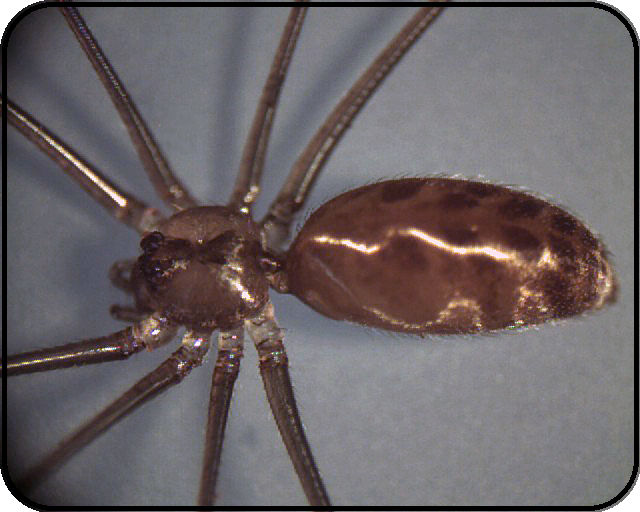
Close up. Body length = 4mm.
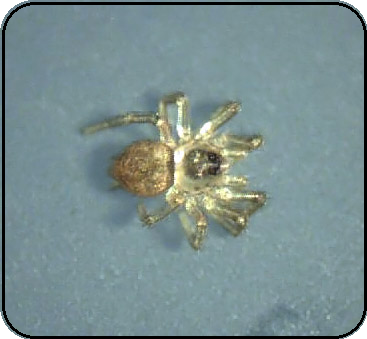
1 mm Spider
This tiny spider is only 1 mm long.
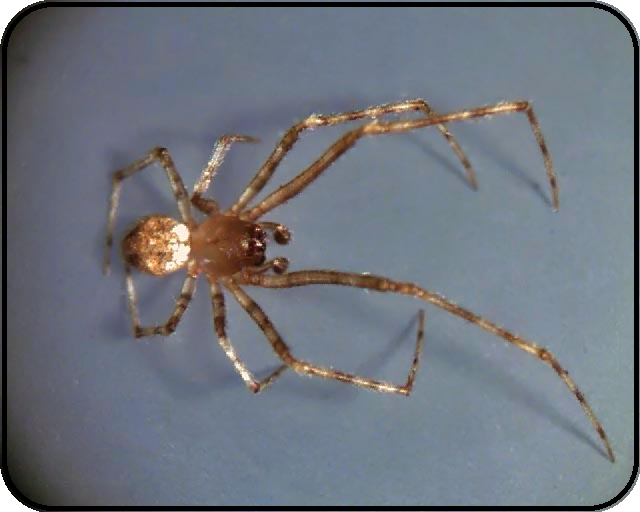
Stripe-leg Garden Spider
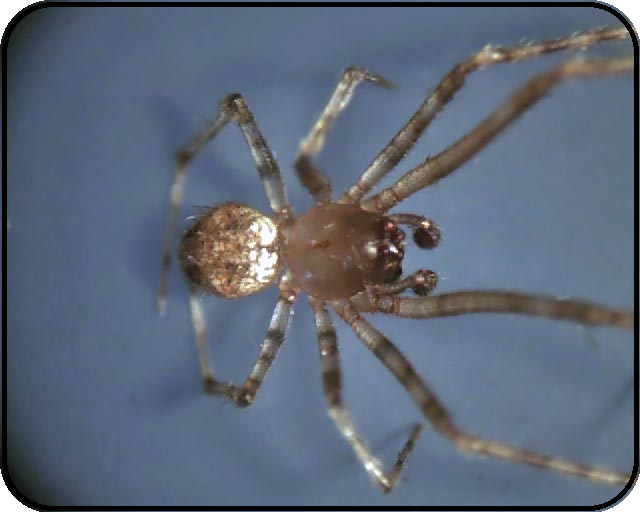
Dorsal view.
Dorsal view close-up. Body length is 2 mm.
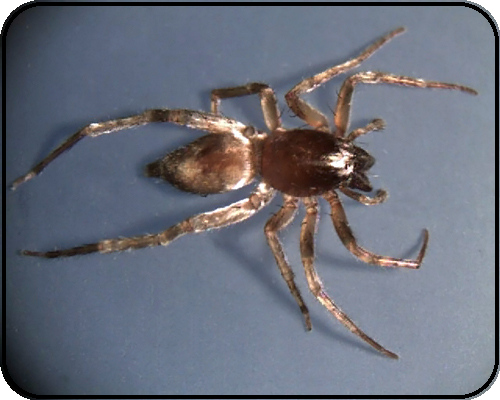
House Spider
Body length = 5 mm.
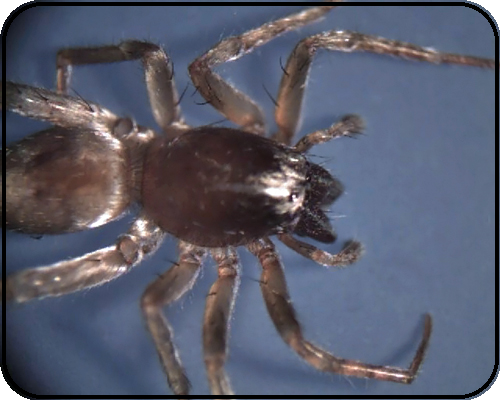
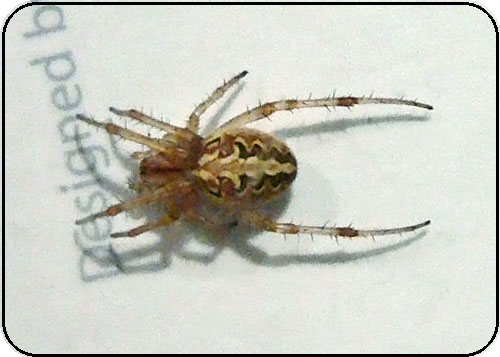
Per Frank Howarth of the Bishop Museum: “This one is most likely Zosis geniculatus (Olivier, 1789), family Uloboridae. Zosis spiders make an orb web, but it is often at an angle or horisontal rather than vertical like the true orb weavers. They also use at least some hackled threads to catch prey. The orb weavers use glue.
Humped Spider
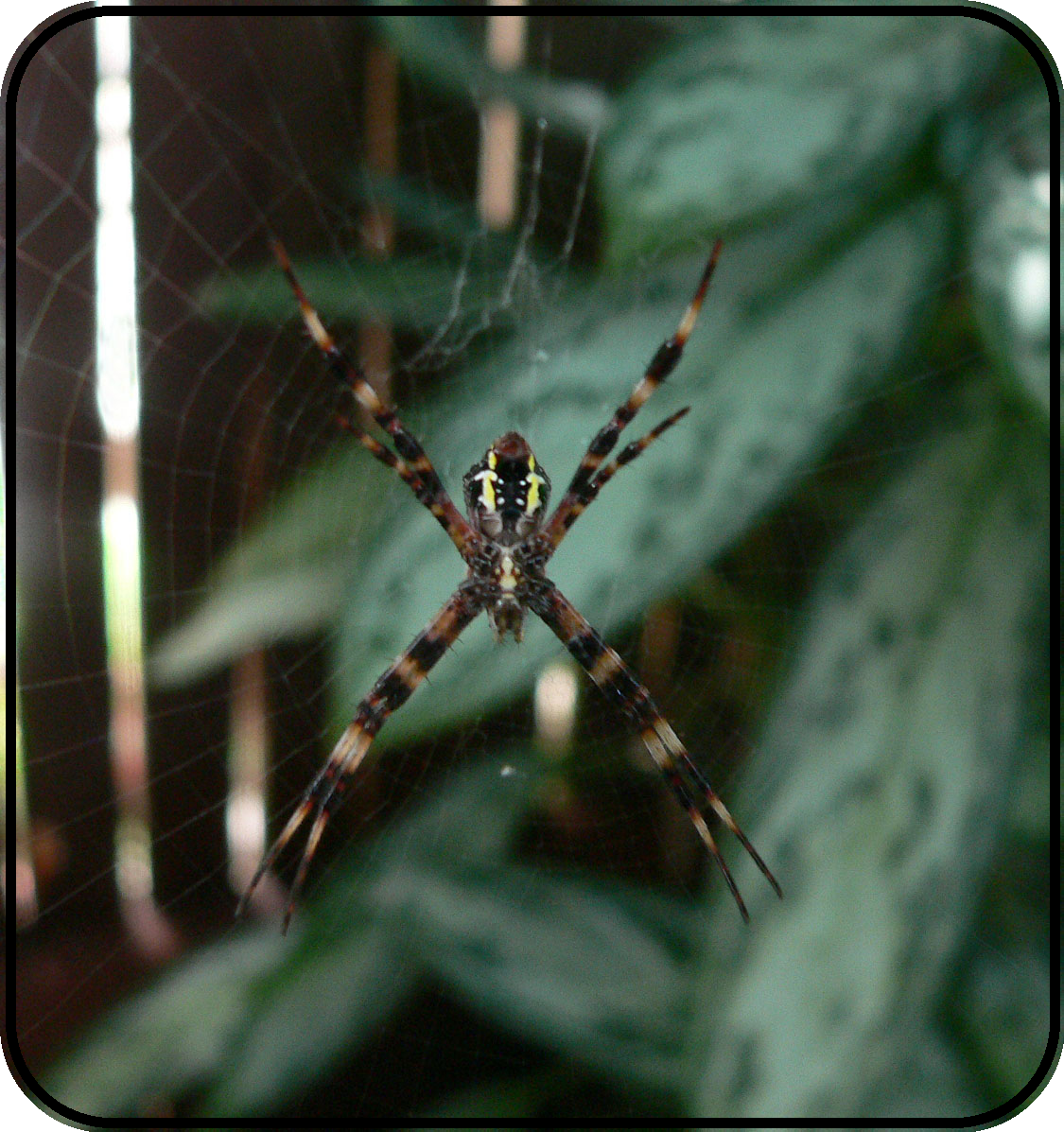
Ventral side.
Dorsal side. Body length about 1 cm. Argiope appensa is an Orb Weaver type of spider that occurs on several islands in the Western Pacific Ocean. It has been introduced to Hawai'i, and is found on Taiwan and New Guinea. It inhabits a wide variety of habitats, from coasts to forests.
Hawaiian Garden Spider
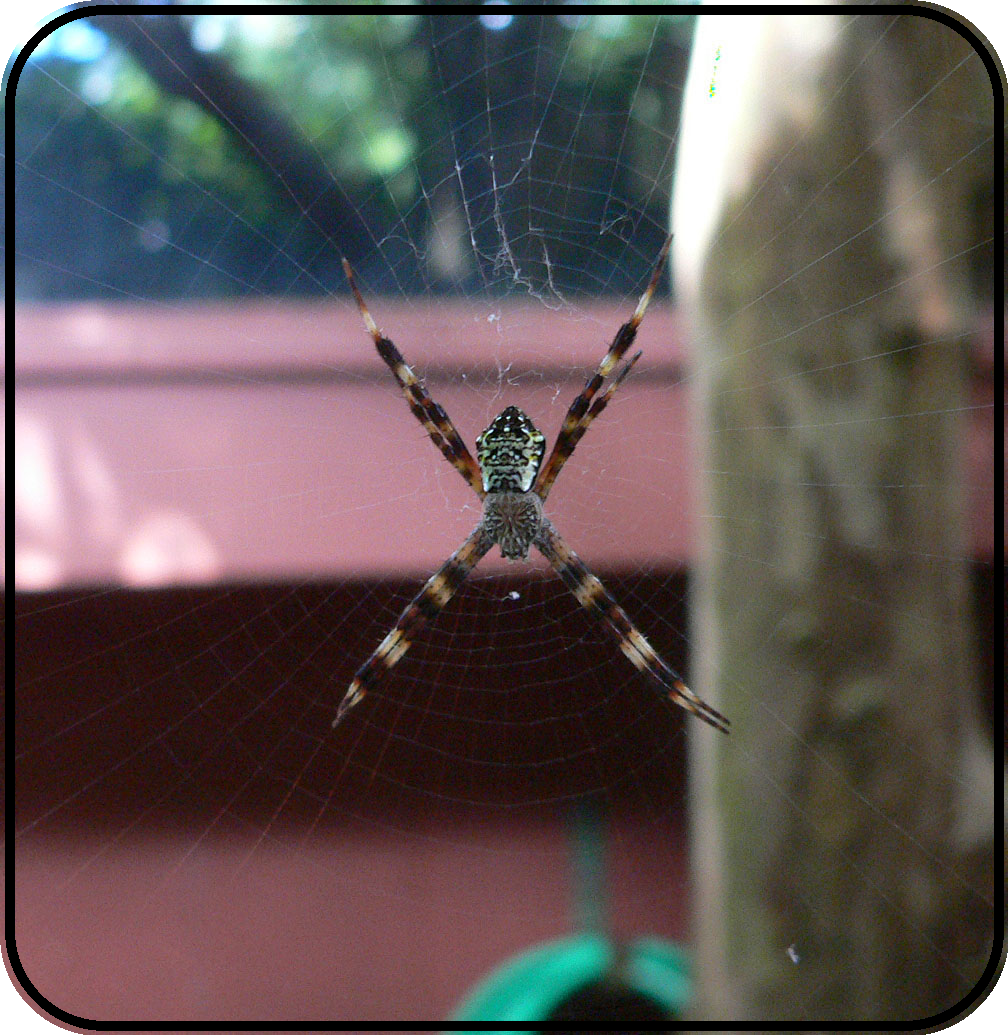
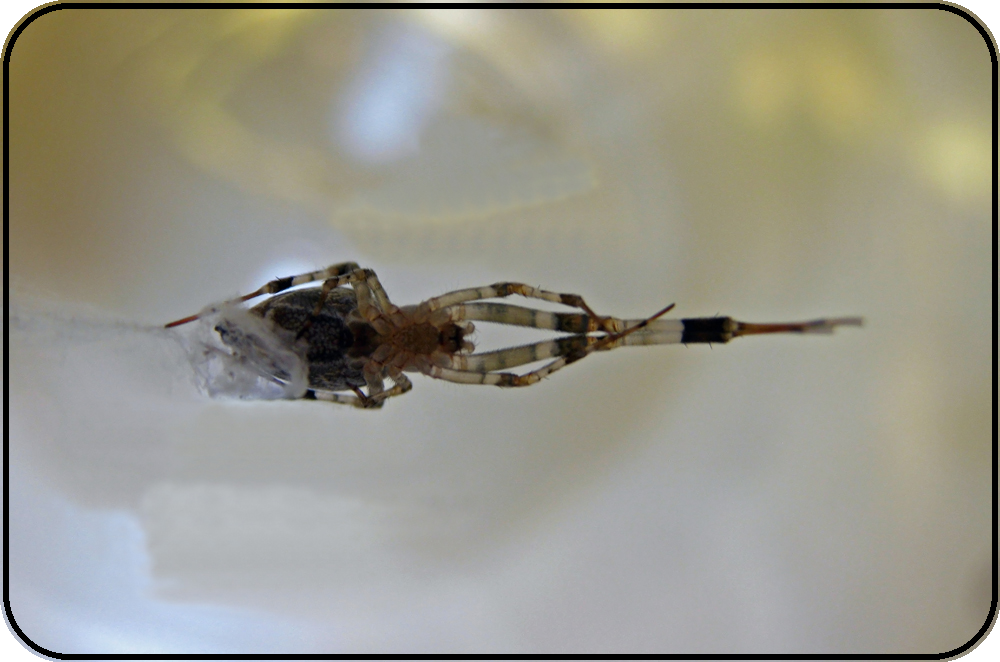
Arrow-back Web Spider
Ventral view. Body length including legs is 2 cm.
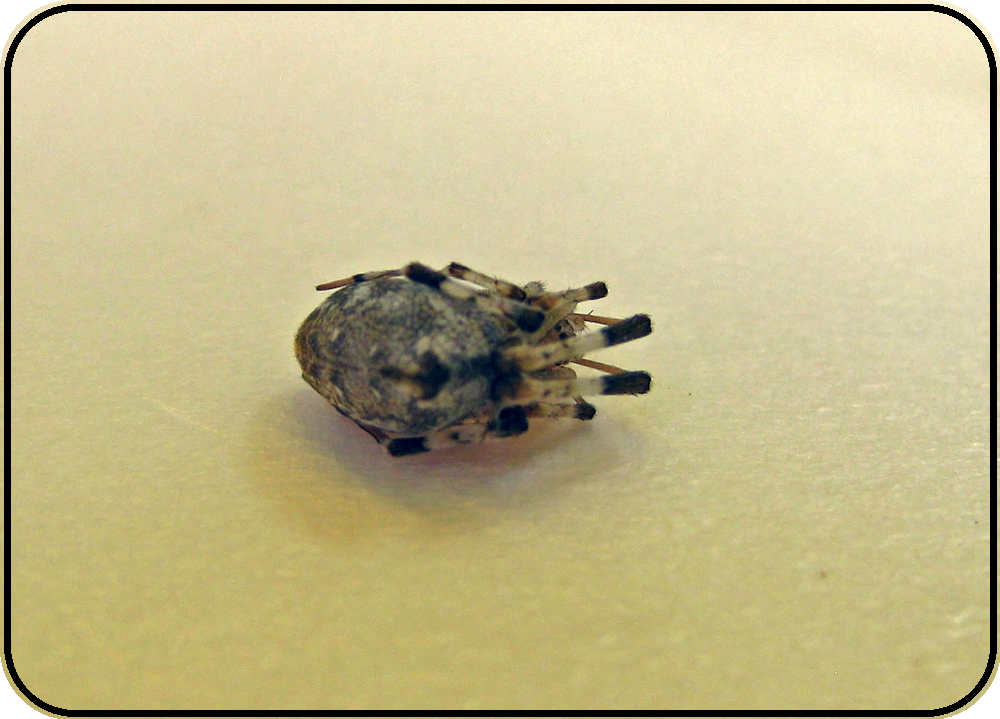
Dorsal view with legs pulled in after being disturbed.
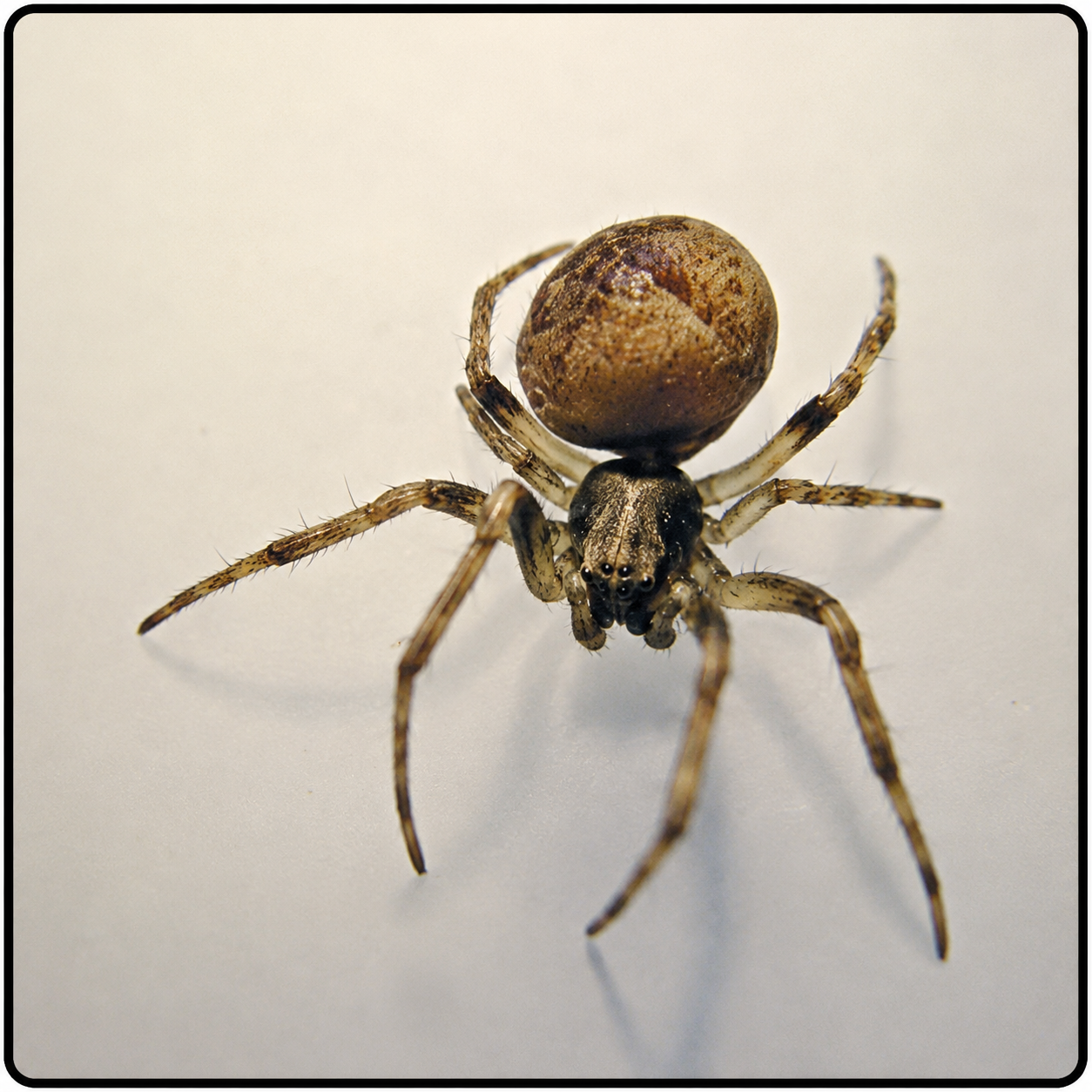
Dorsal view. Body length 5 mm.Ventral view. Body length including legs is 2 cm.
Hairyhead Orb Weaver
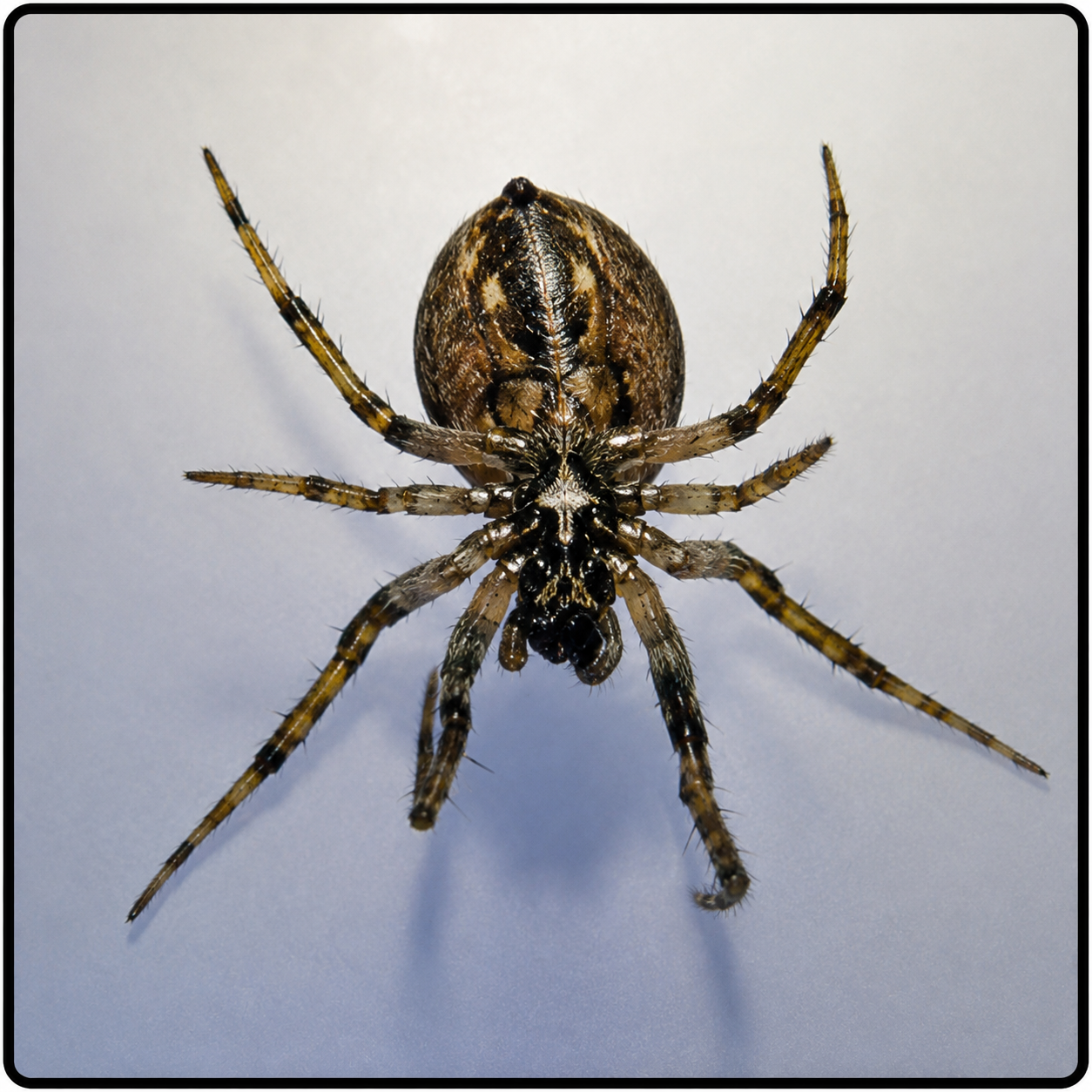
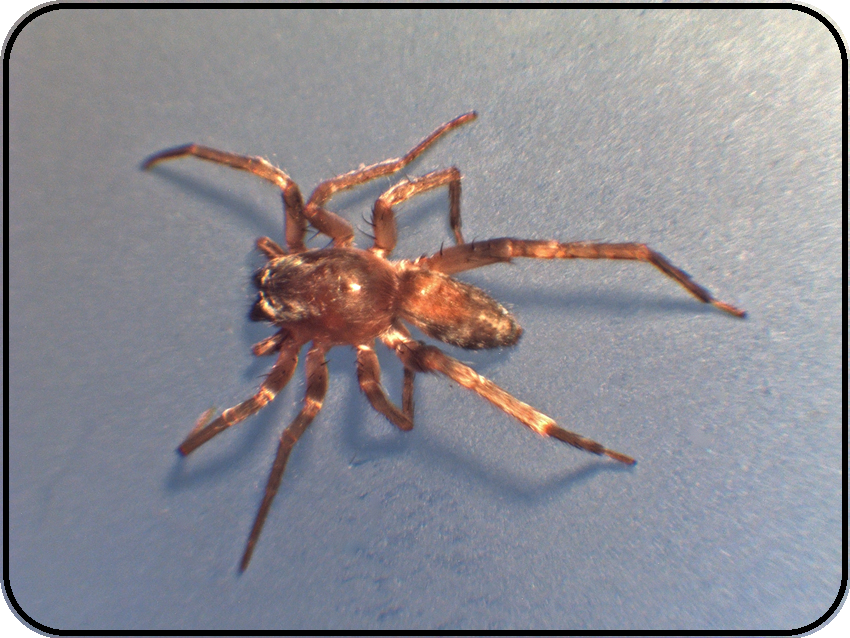
Ventral view.
Yellow Sac Spider
Dorsal view. Body length 5 mm.
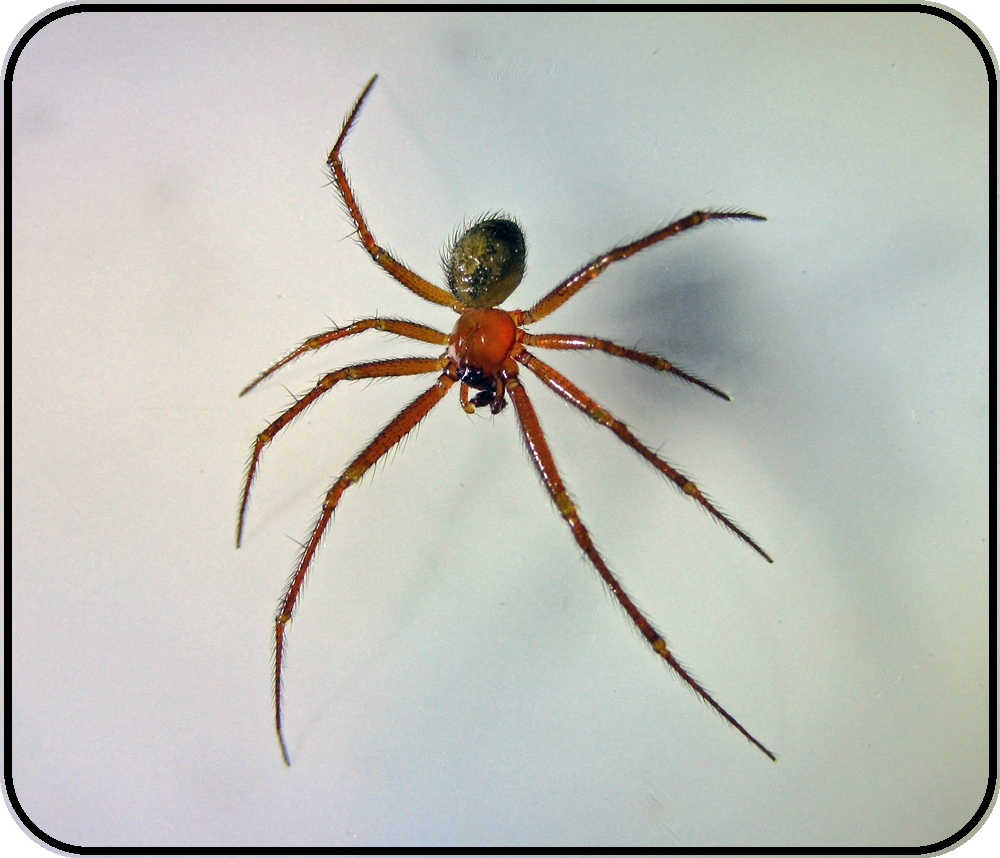
Sheet Weaver
Dorsal view. Body length 4 mm.
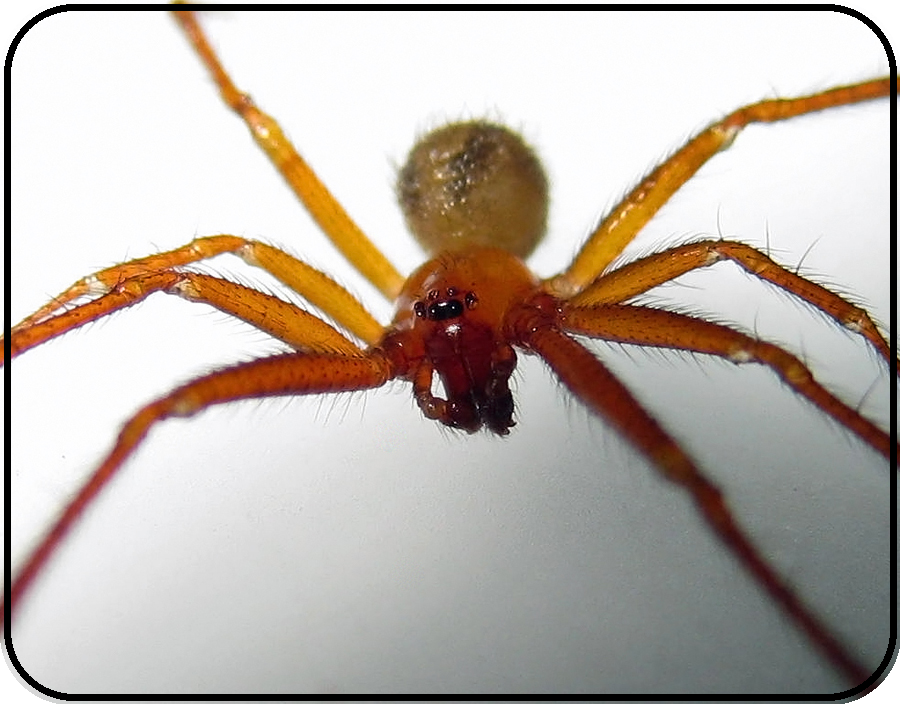
View of face/eyes.
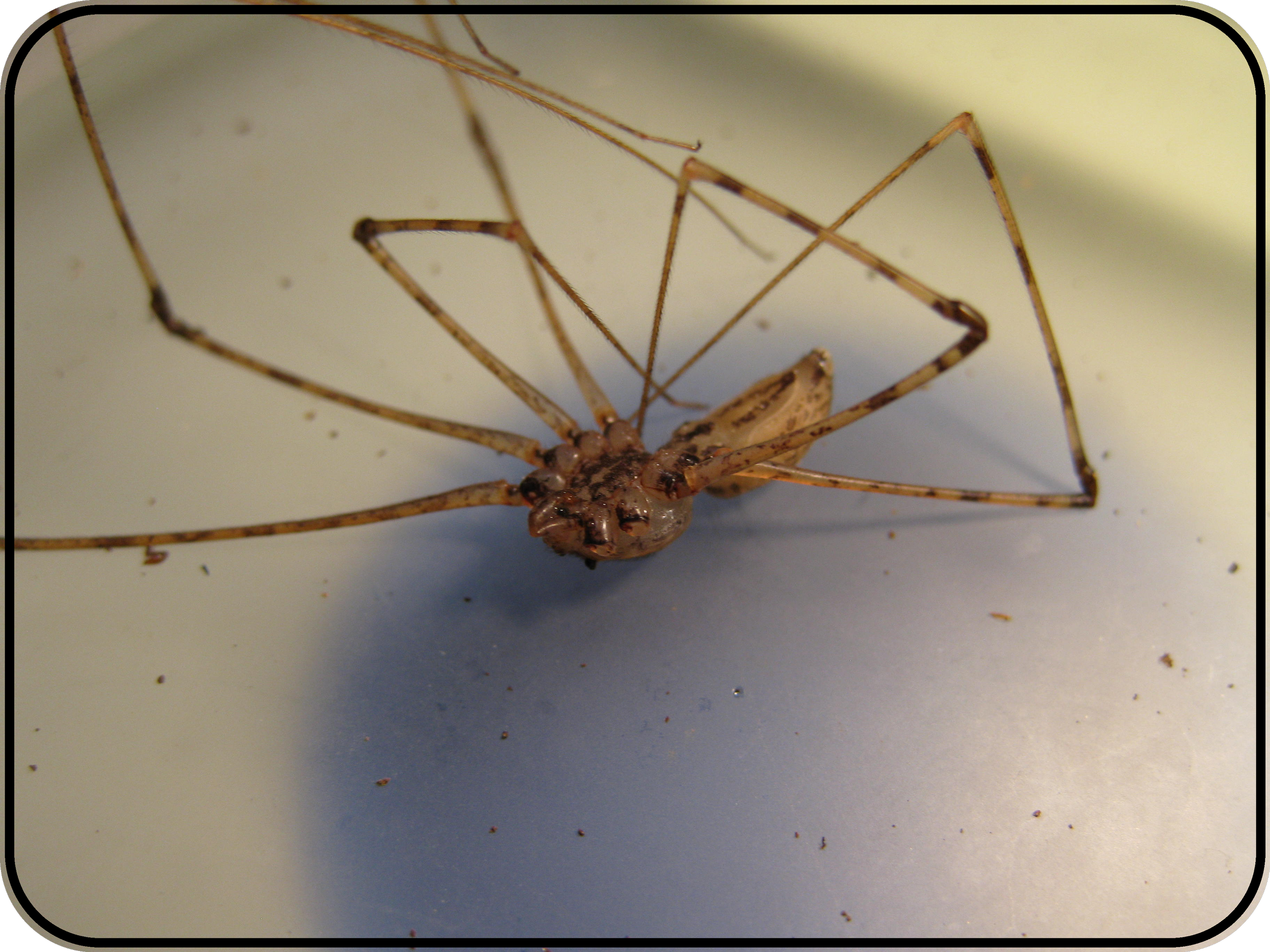
Ventral view.
Body length about 1 cm. Leg length about 6 cm. Spitting spiders catch their prey by spitting a fluid consisting of silk and venom that congeals on contact into a sticky mass.
Spitting Spider
Dorsal view.
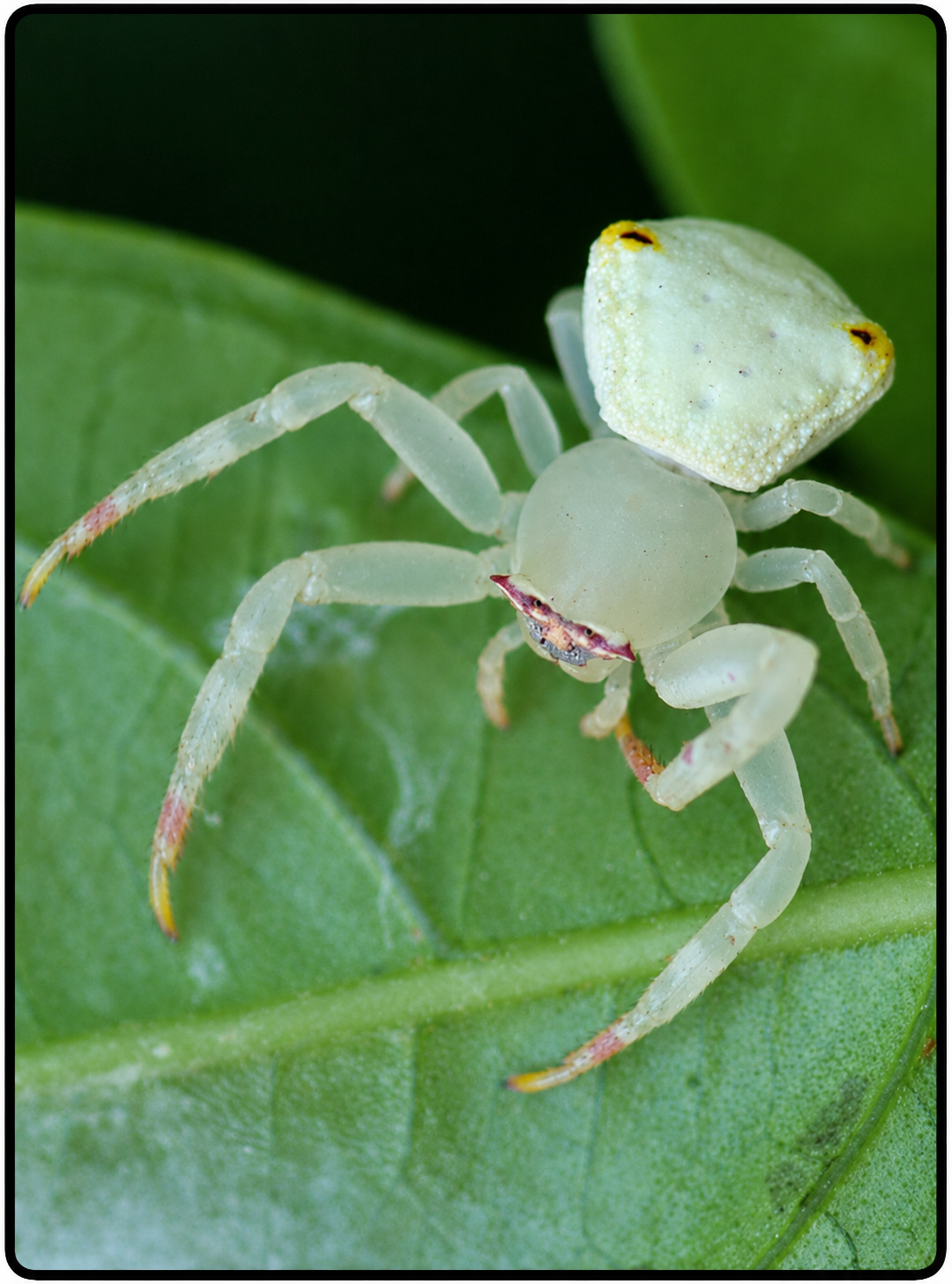
Endemic species. About 1 cm. Picture by Nate Yuen http://hawaiianforest.com/wp/
Crab Spider (aka White Flower Spider)