
Reptiles
Gold Dust Day Gecko (Phelsuma laticauda laticauda)
Common House Gecko (Hemidactylus frenatus)
Mourning Gecko (Lepidodactylus lugubris)
Stump-toed Gecko (Gehyra mutilata)
Tree Gecko (Hemiphyllodactylus typus)
Indo-Pacific Gecko (Hemidactylus garnotii)
Green Anole (Anolis carolinensis porcatus)
Brown Anole (Anolis sagrei)
Metallic Skink (Lampropholis delicate)
Moth Skink (Lipinia noctua noctua)
Jackson's Chameleon (Chamaeleo jacksonii xantholophus)
Blind Snake (Ramphotyhlops braminus)
Reptile identifications made using “A Field Guide to Reptiles and Amphibians in the Hawaiian Islands” by Sean McKeown.
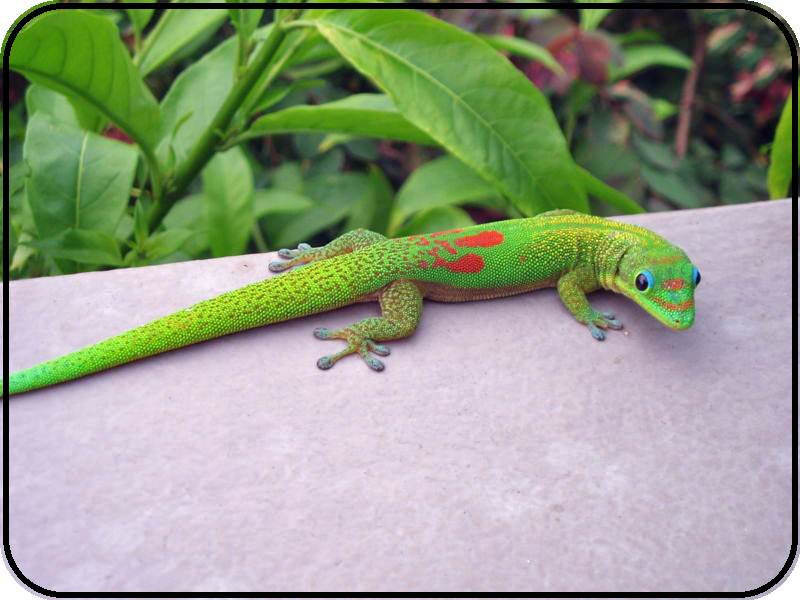
Native to Madagascar. The population in Hawaii is descended from eight individuals released by a student at the University of Hawaii, Manoa in June 1974.
Gold Dust Day Gecko
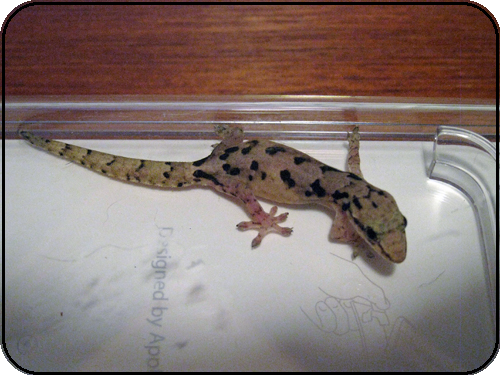
The Mourning Gecko is thought to have arrived as a stowaway aboard the early Polynesian voyaging canoes.
Mourning Gecko
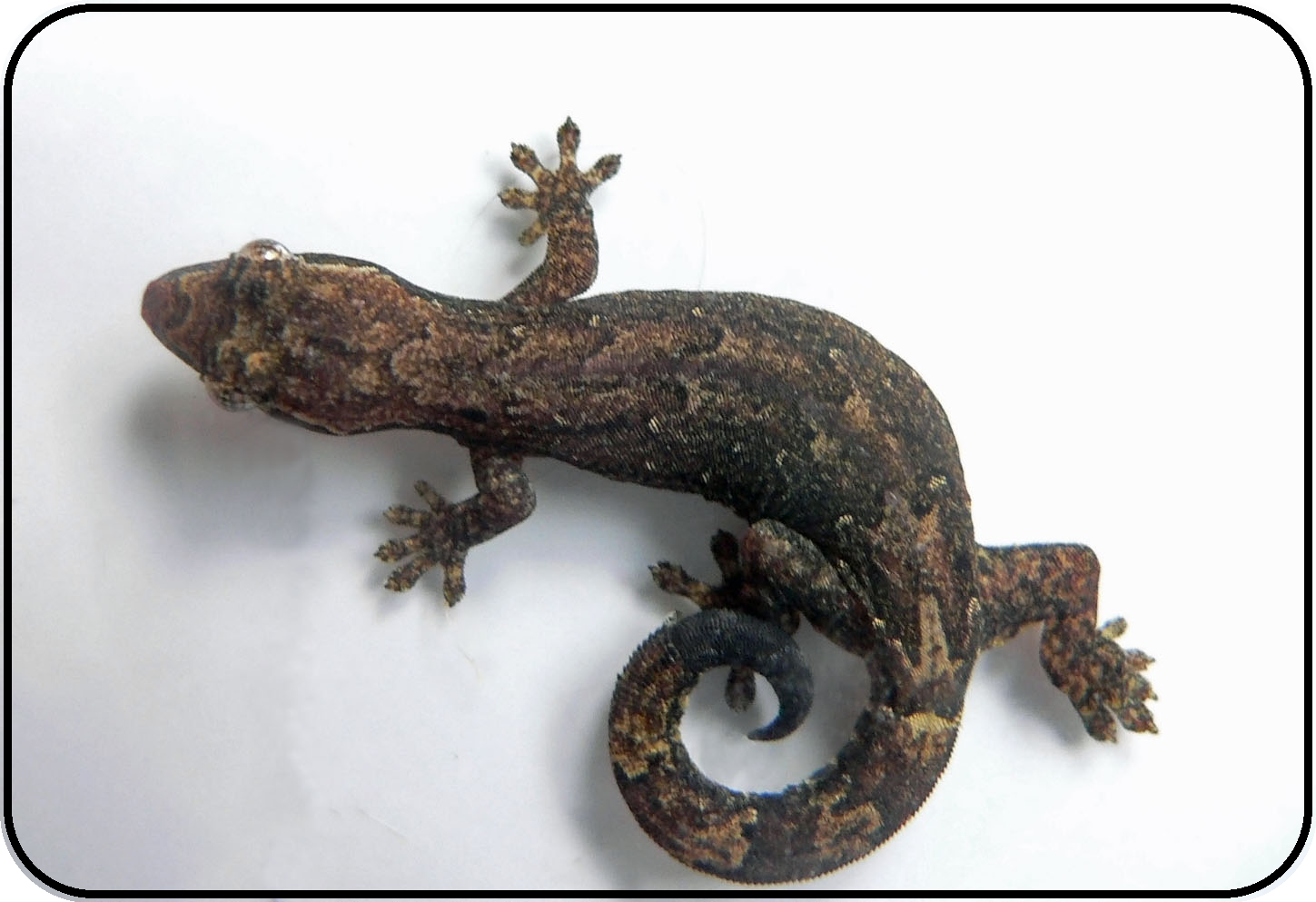
The Tree Gecko may have rafted to the Hawaii on debris or arrived with the early Polynesians. This is the smallest species of gecko in Hawaii.
Tree Gecko
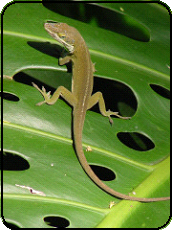
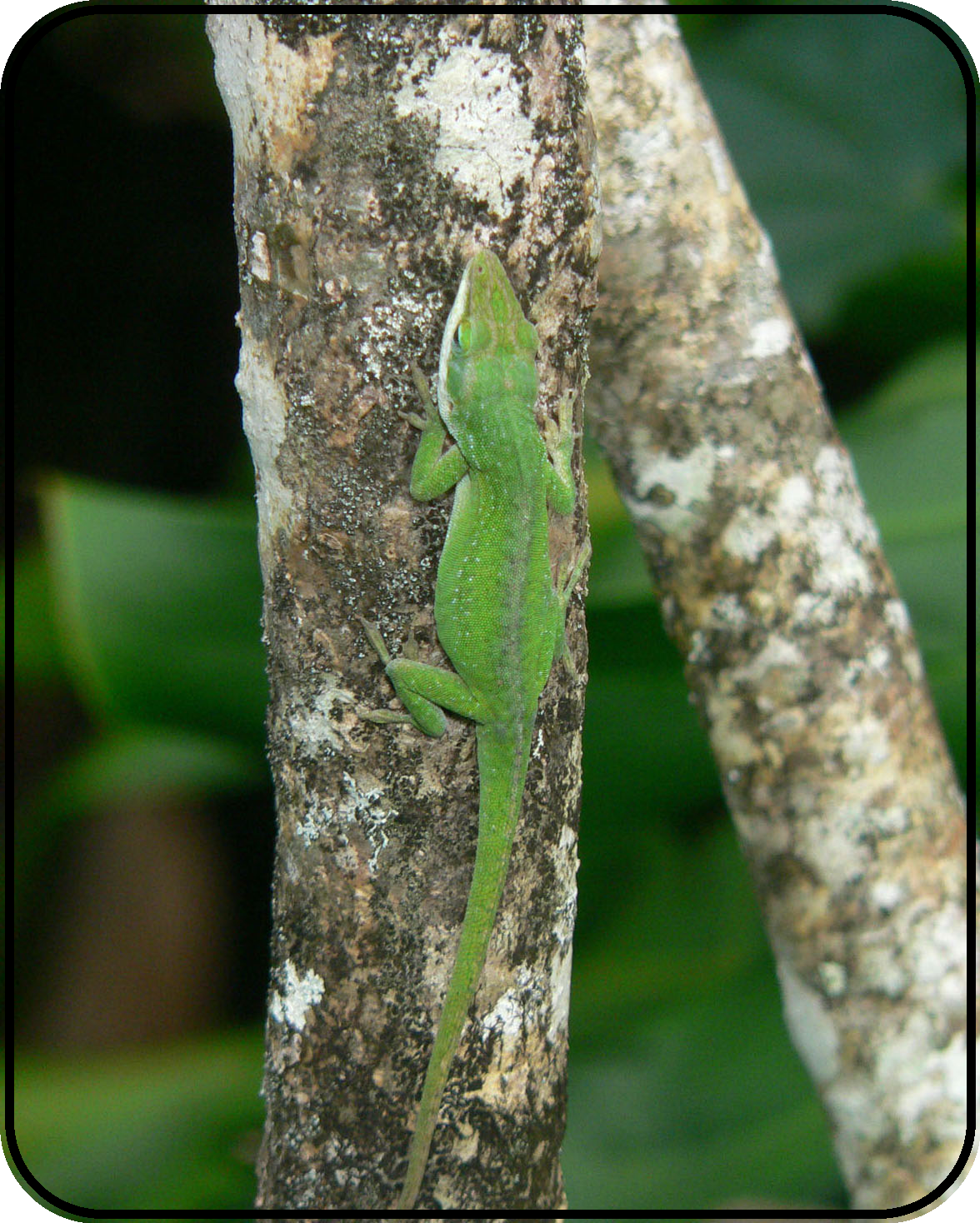
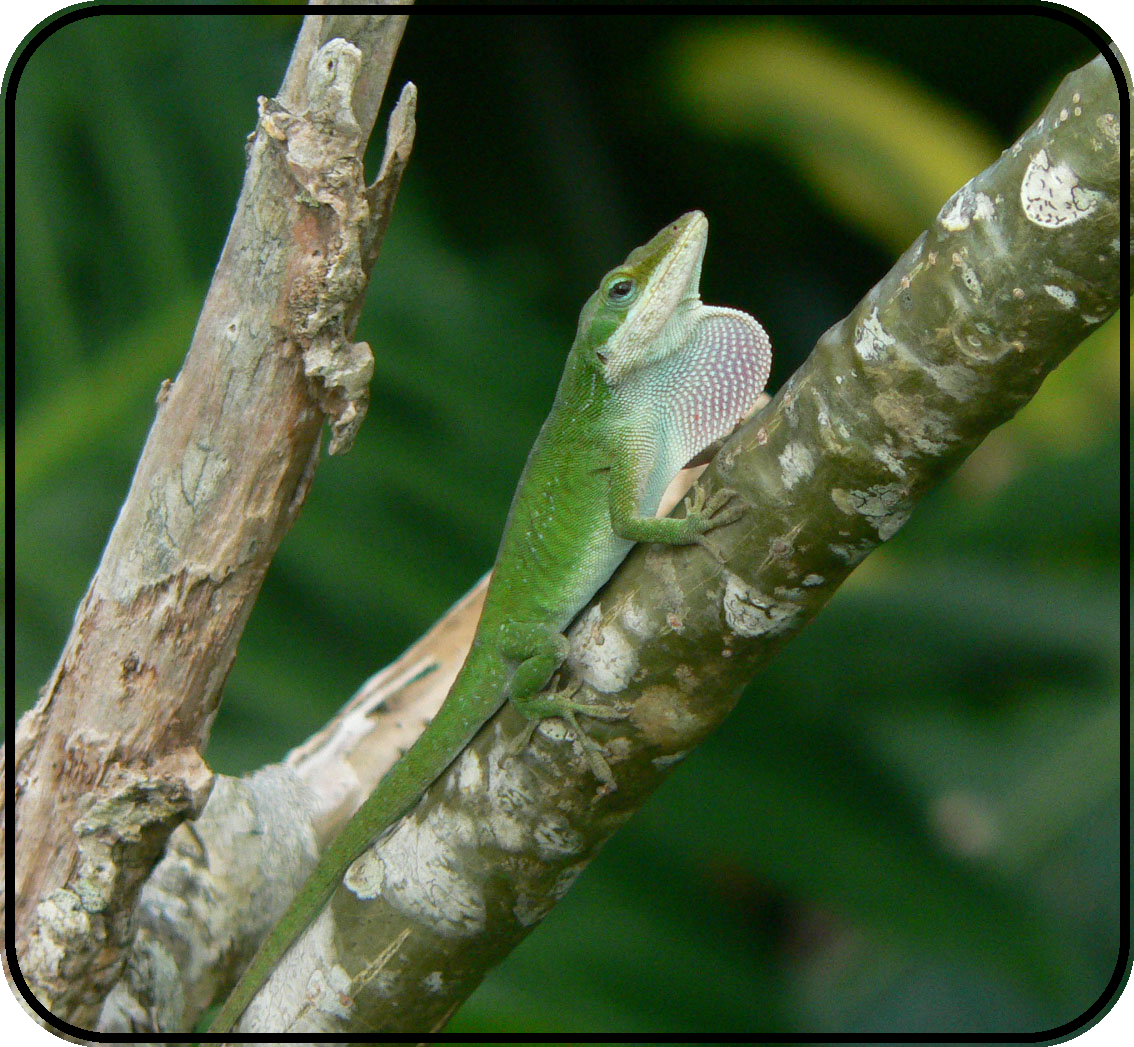
Native to the Southeast part of the U.S. First observed in on Oahu in 1950 and thought to have its origin from the release of imports of pets. The green anole is so named because it is usually bright green, though it can shift to brown when it is cold or socially stressed.
Green Anole
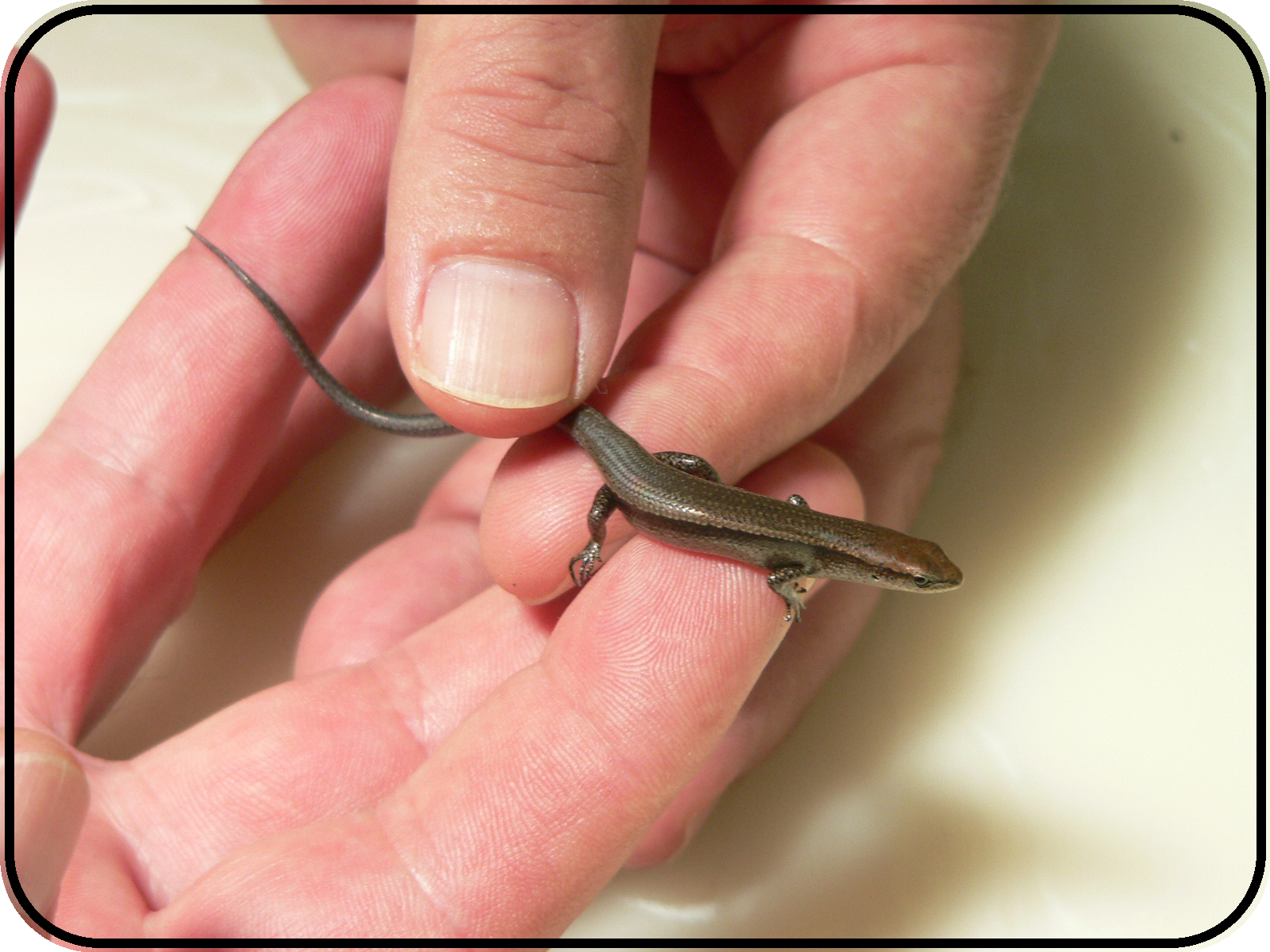
This lizard is native to Australia and is believed to have arrived in Hawaii about 1900. The first specimen discovered in Hawaii was in 1909 in the Moanalua Valley on Oahu.
Metallic Skink
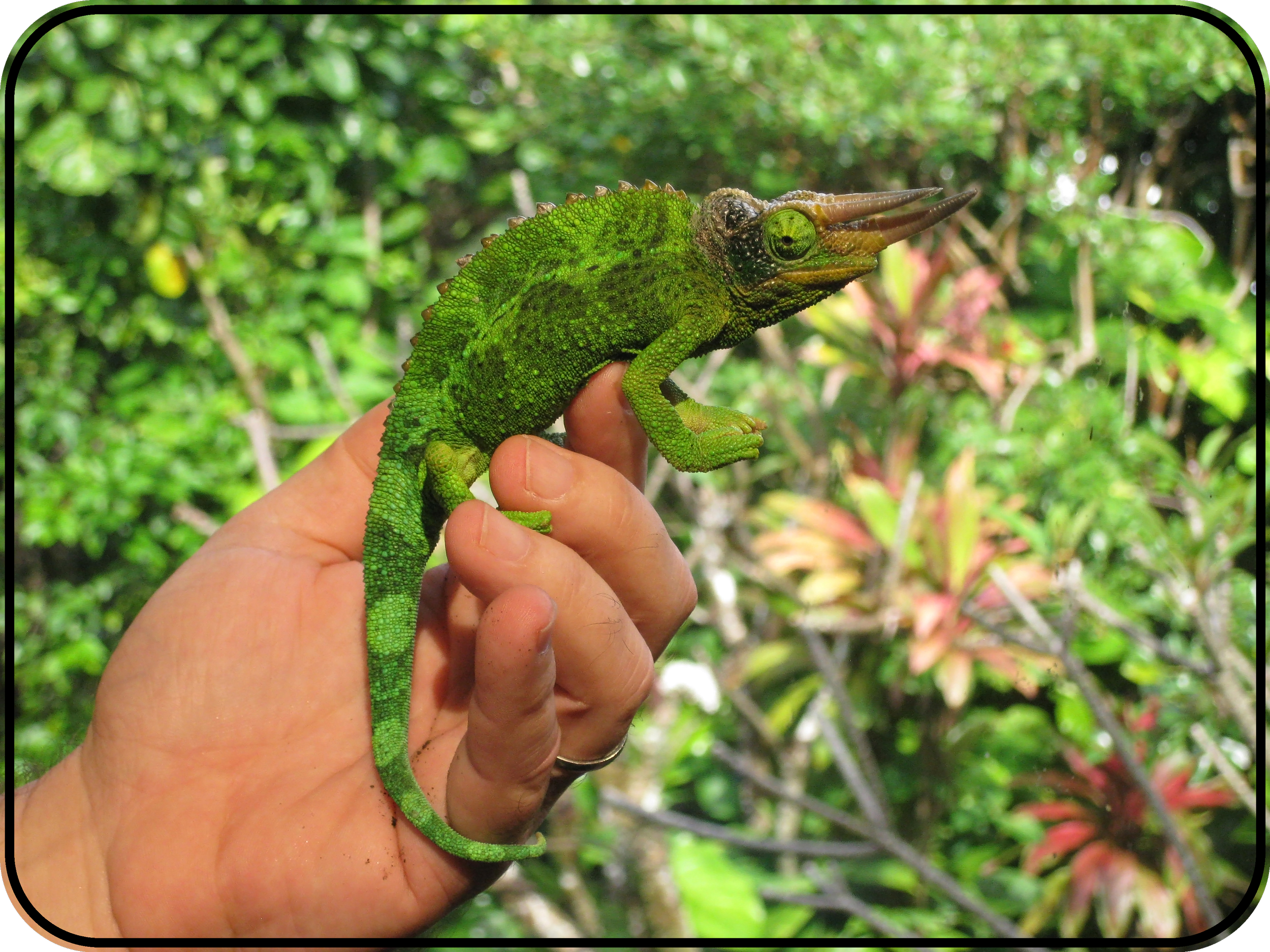
Jackson's Chameleon
The Jackson's Chameleon, native to Kenya and Tanzania, was introduced on Oahu in 1972. This specimen is an adult male.
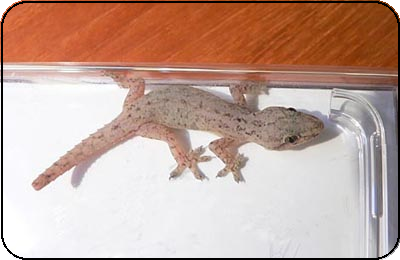
Common House Geckos are believed to have arrived in Hawaii during or just after World War II. It is a native of southeastern Asia and the northern parts of Africa.
Common House Gecko
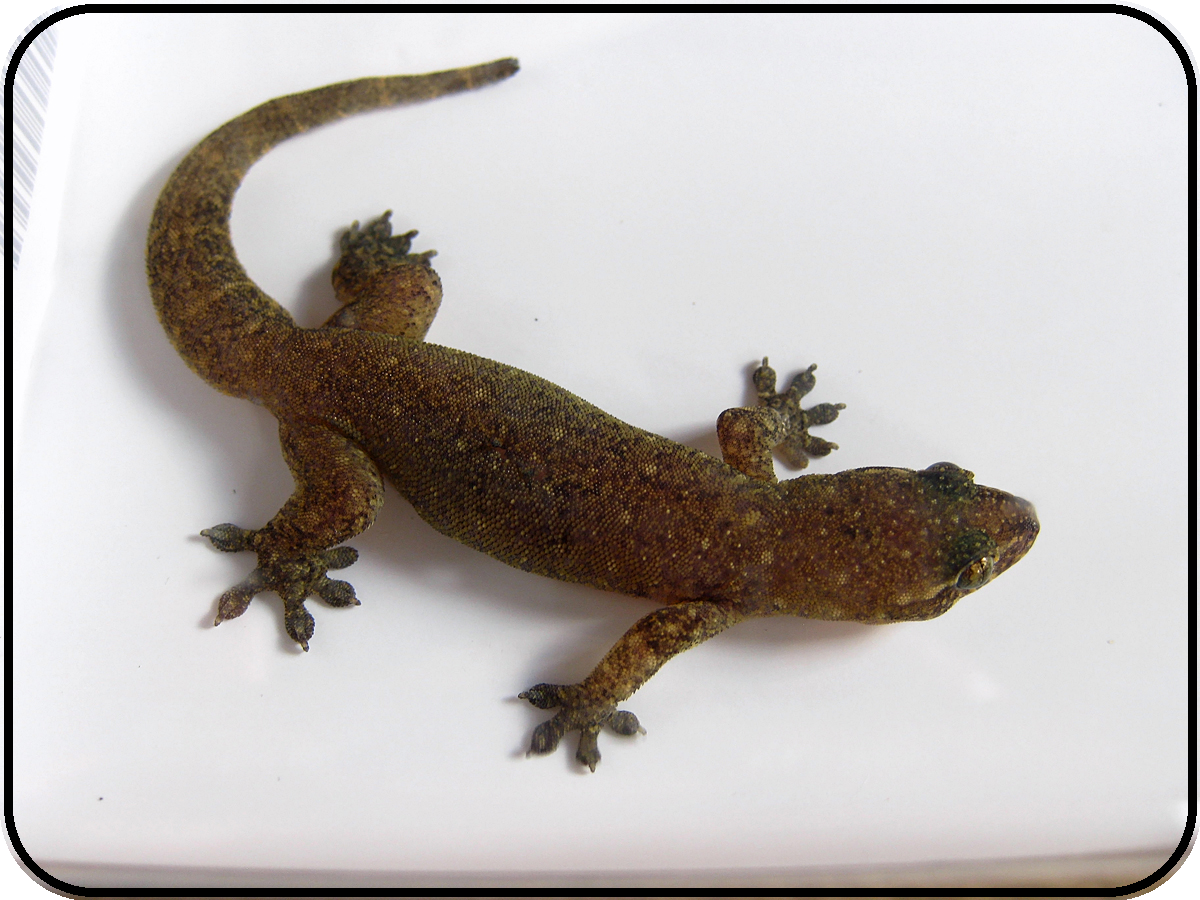
The Stump-tailed Gecko is thought to have arrived as a stowaway aboard the early Polynesian voyaging canoes.
Stump-toed Gecko
This gecko is found on many islands in the western Pacific and probably arrived in Hawaii with the early Polynesians. This is a parthenogenic species composed only of females.
Indo-Pacific Gecko
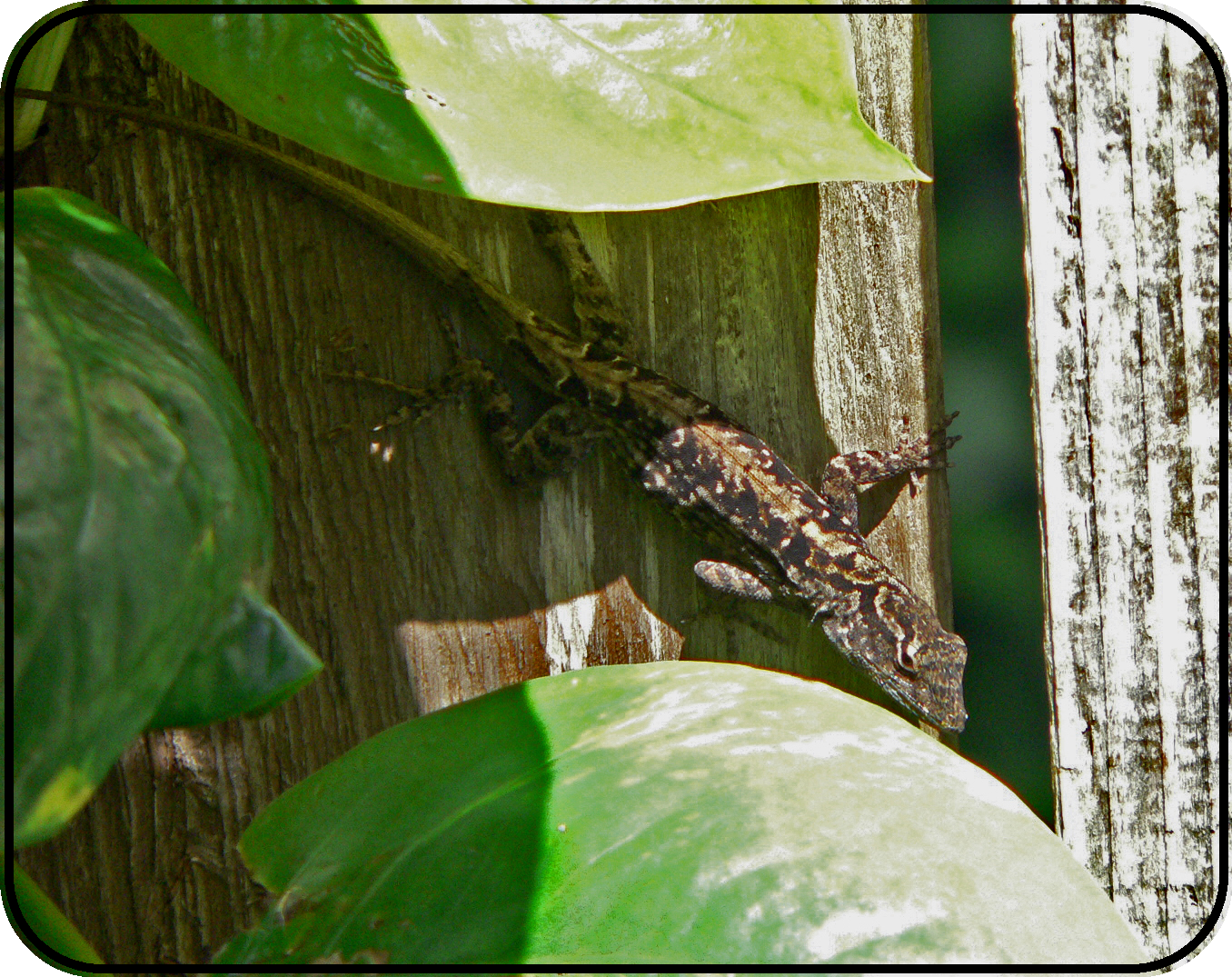
Native to Cuba, Jamaica and the Bahamas. This species is more aggressive than the Green Anole and is a much faster runner. It is relatively common in dryer lower elevations and was first observed on Oahu in the late 1970s. This individual is the first one observed on my property and was first seen on March 23, 2008.
Brown Anole
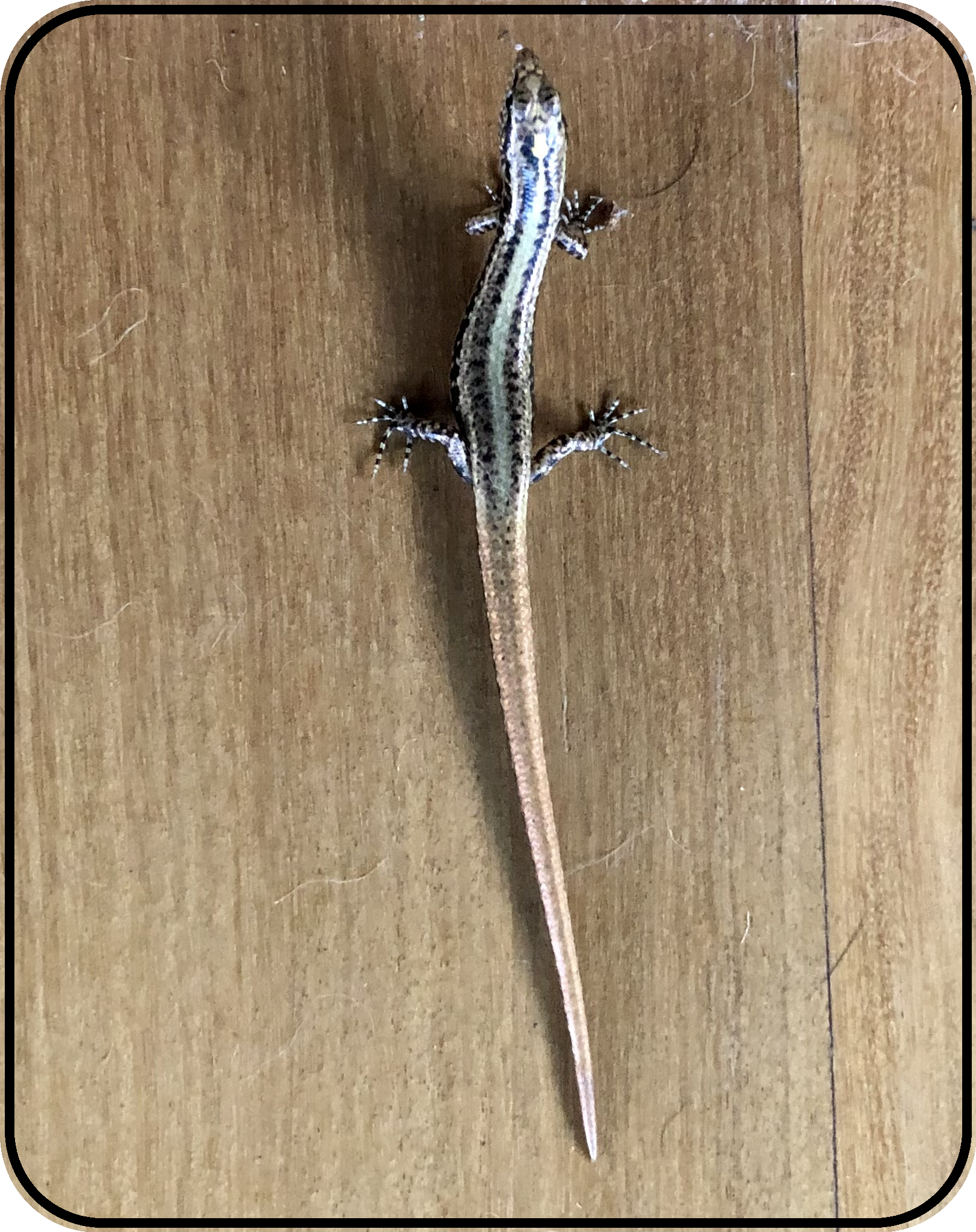
The moth skink is the only skink in Hawaii that doesn't lay eggs. It gives birth to live offspring.
Moth Skink
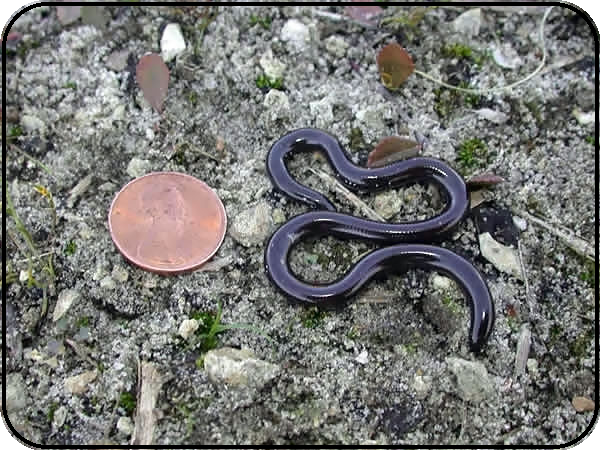
Sometime in the 1980s the blind snake was introduced to the islands of Hawaii in potting soil from plants (probably from the Philippines). These small snakes with tiny eye-spots eat small termites, ants and other arthropods. As termites and ants are also introduced animals, these snakes pose no great threat to ecosystems in Hawaii. These snakes are all female. It’s the only known parthenogenic snake.
Blind Snake