
Chilopoda (Centipedes)
Vietnamese Centipede (Scolopendra subspinipes subspinipes)
Stone Centipede (Lethobius sp.)
Japanese Centipede (Scolopendra subspinipes japonica)
* Red-head Centipede (Lithobius sp.)
Soil Centipede (Orphnaeus brevilabiatus) ?
Names preceded by an asterisk indicate common names that I have made up.
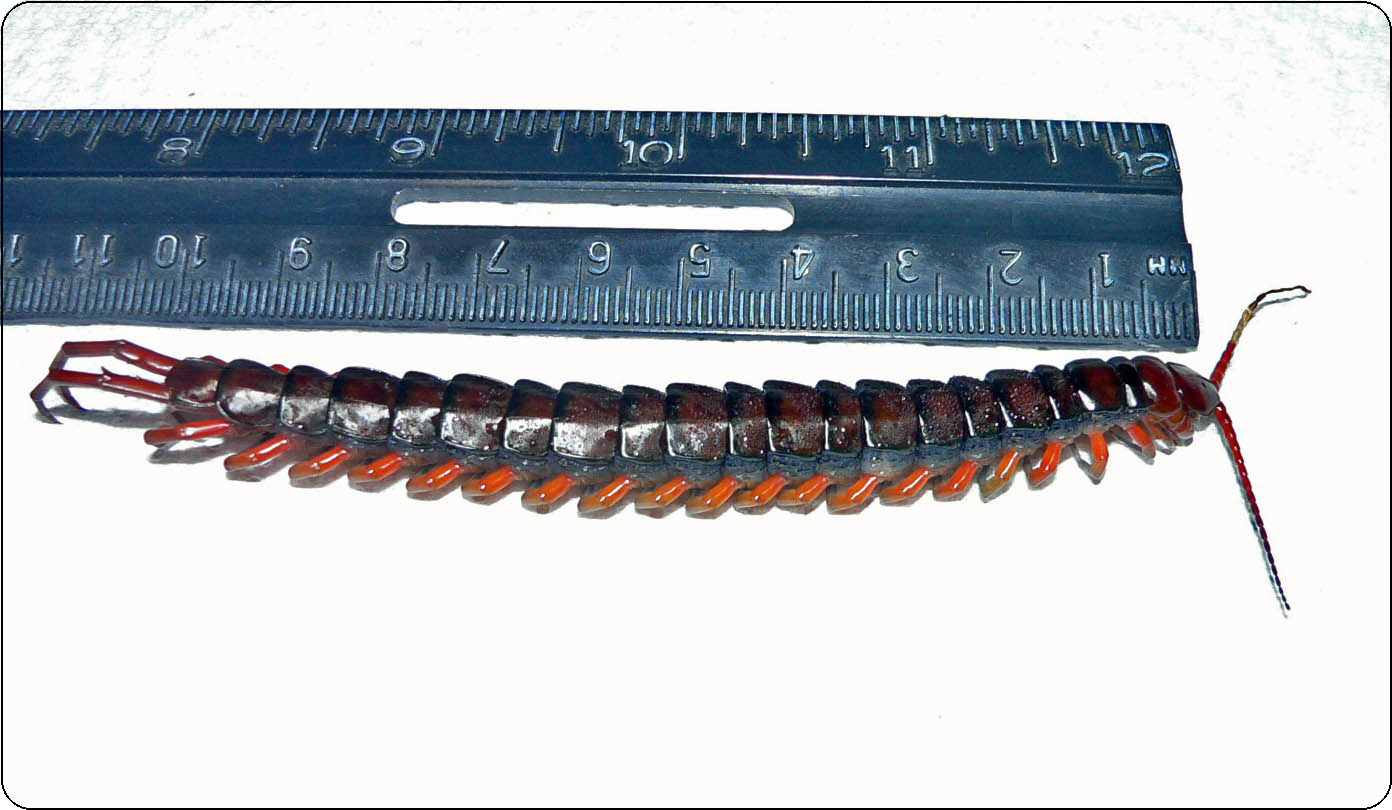
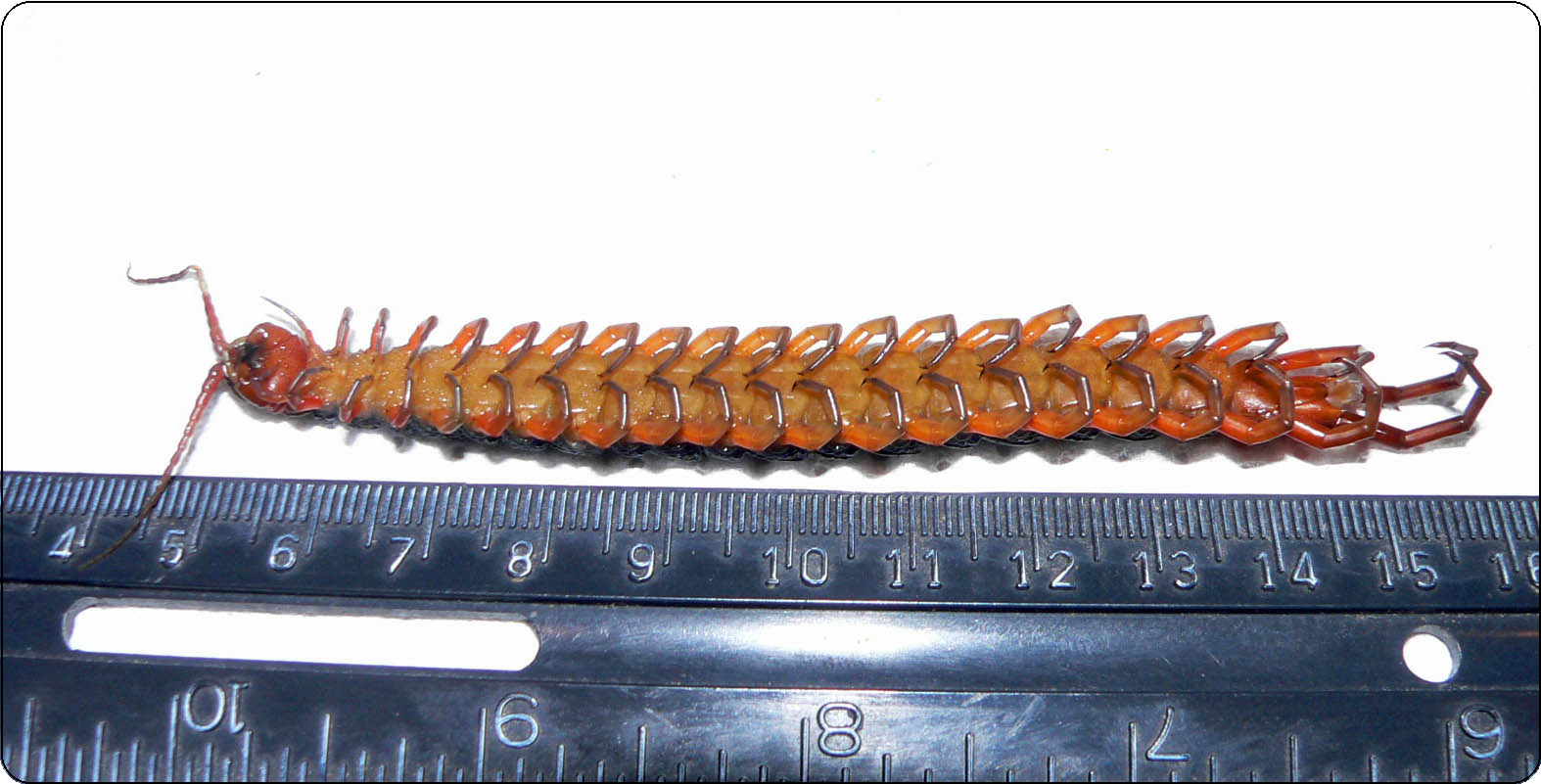
Vietnamese Centipede
These centipedes grow to more than 12 cm. They are found throughout Southeast Asia. Introduced to Hawaii before 1847, possibly by Polynesian voyagers.
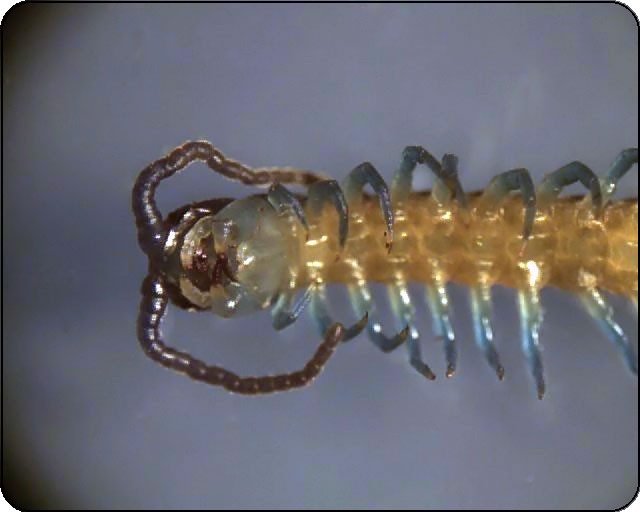
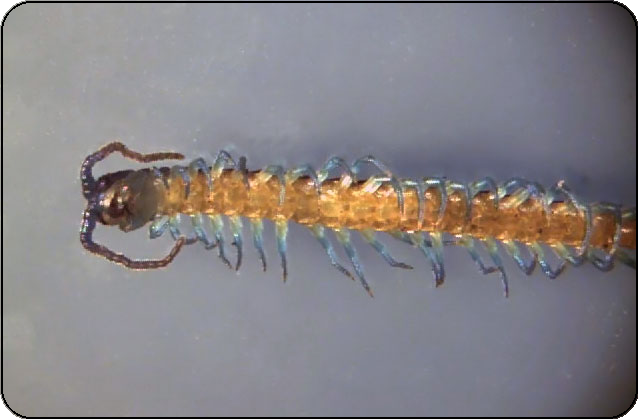
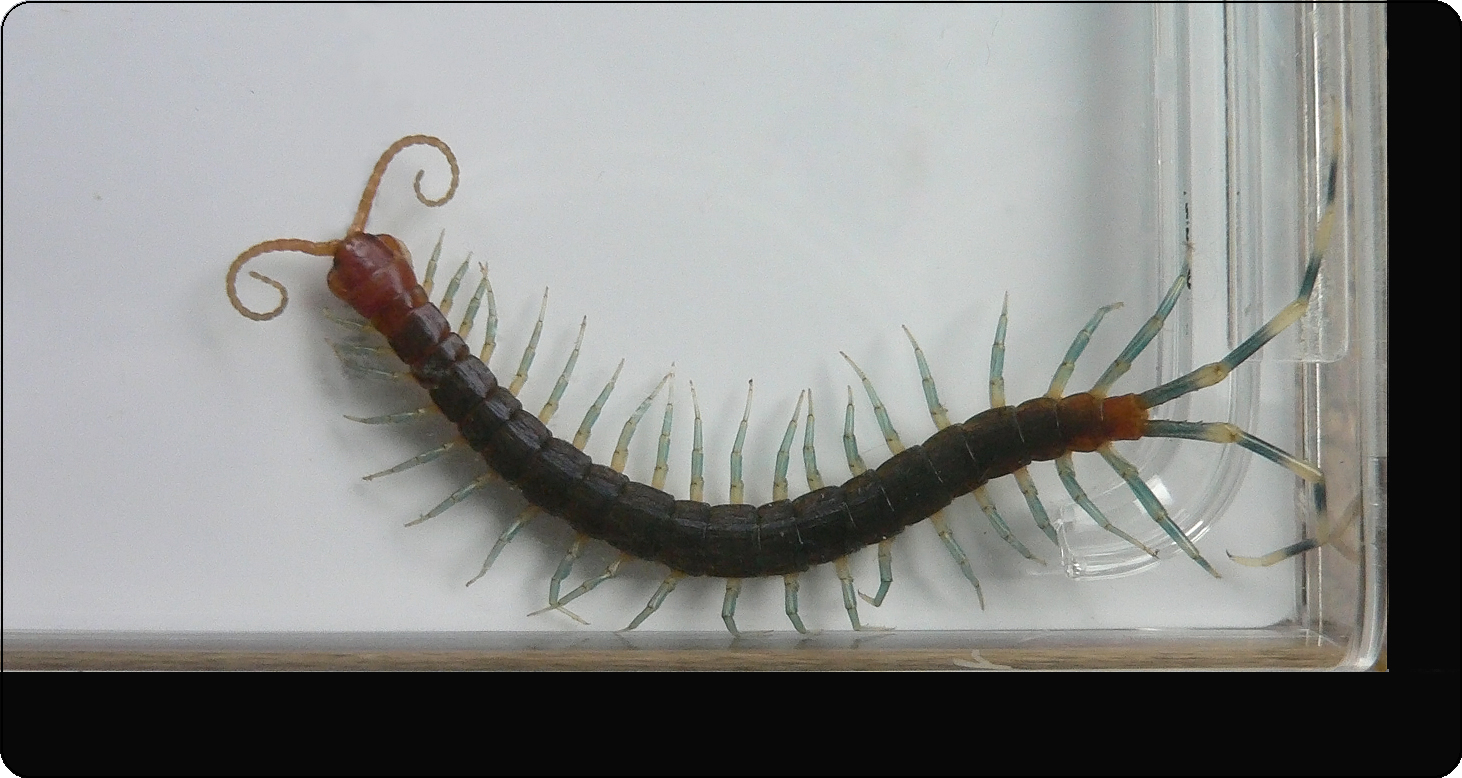
Japanese Centipede
Body length approximately 8cm long.
This subspecies (Scolopendra subspinipes japonica) is not supposed to be outside of Japan. Apparently it is now established in Hawaii.
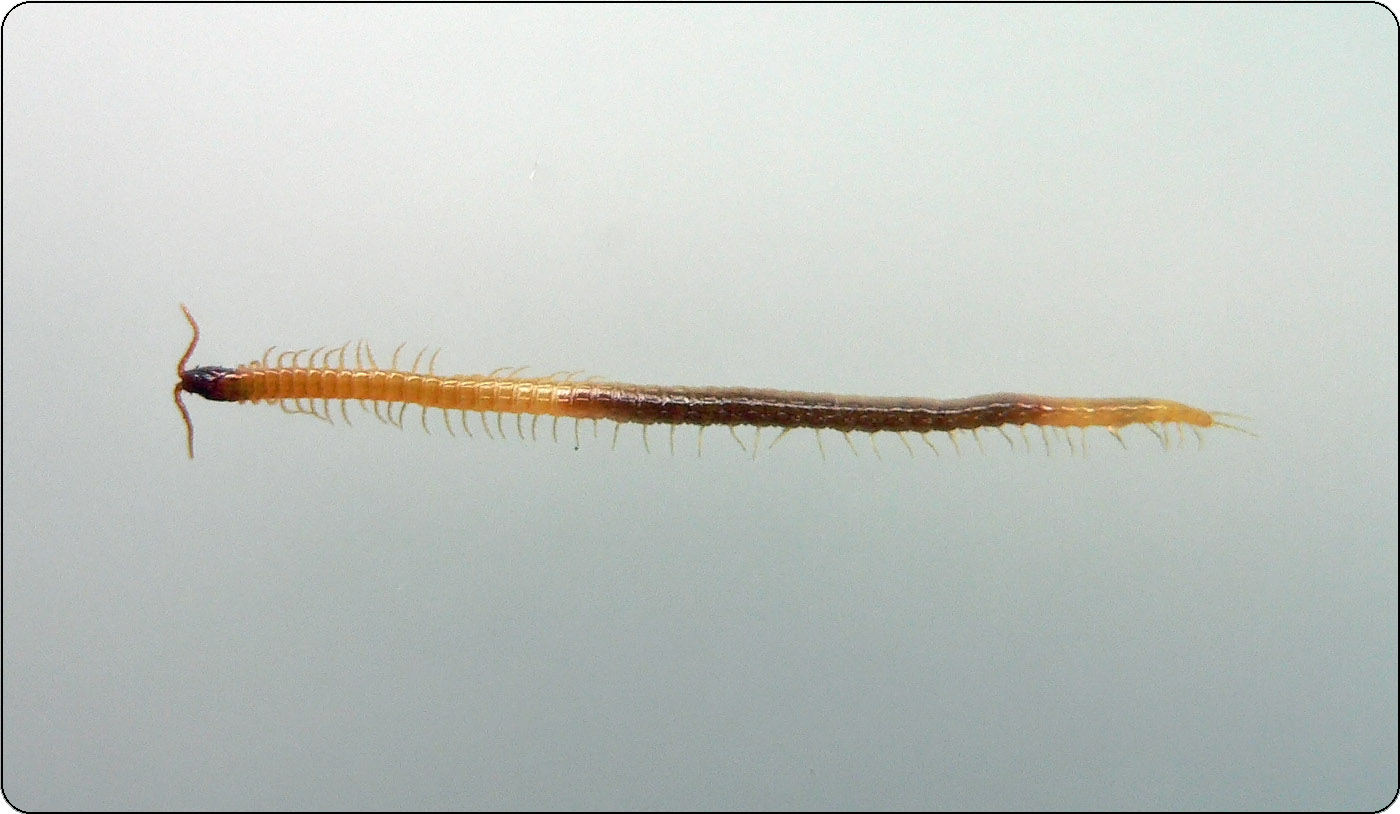
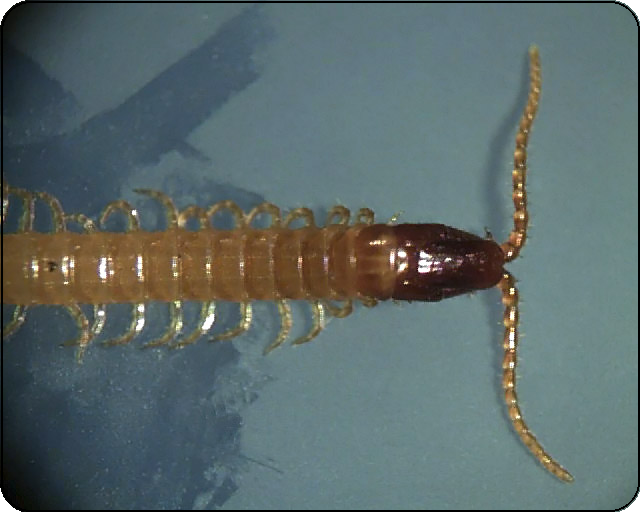
Red-head Centipede
This centipede is 3.3 cm long and about 1 mm in diameter.
ID by David Preston of the Bishop Museum.
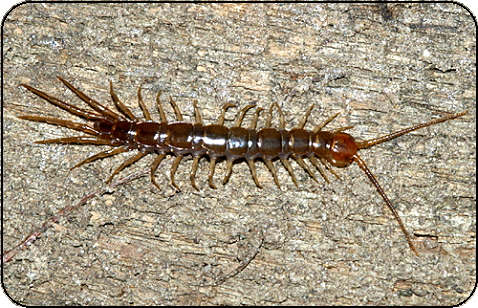
Stone Centipede
Body length approximately 3cm. 30 legs.
Found throughout Europe, Caucasus, Turkey, and North Africa. Widely distributed in North America, especially in the eastern United States, where it is likely an introduced species.
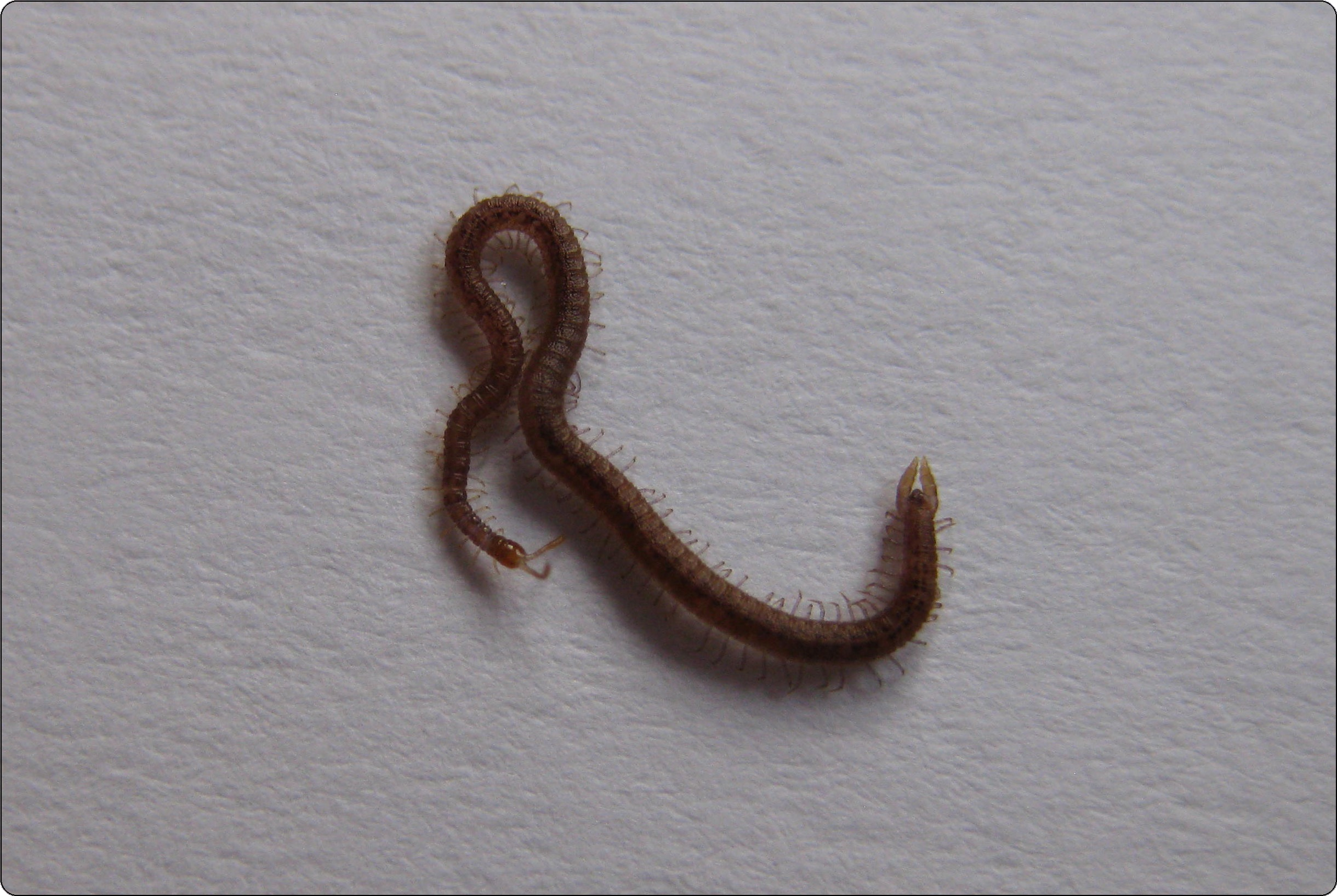
Soil Centipede
This centipede is about 3 cm long and about 1 mm in diameter. It appears to be a type of Geophilomorpha centipede, most likely Orphnaeus brevilabiatus.