
Insects: earwigs, stinkbugs, leafhoppers and cicada
Black Earwig (Chelisoches morio)
Ringlegged Earwig (Euborellia annulipes )
Earwig (Euborilla sp) ?
Southern Green Stink Bug (Nezara viridula)
Oriental Stink Bug (Plautia stali)
*Clerada Predatory Bug (Clerada apicicornis)
Sweet Potato Bug (Physomerus grossipes)
Keelbacked Leafhopper (Antianthe expansa)
*Green Planthopper (Acanalonia conica)
*Spotted Leafhopper (Cicadellidae sp.) ?
Little Green Leafhopper (Balclutha incisa)
*Unknown Brown Hopper ( ) ?
*Unknown Tree Hopper nymph (Publilia sp) ?
Flattid Planthopper (Melormenia antillarum)
Brasilian Leafhopper (Protalebrella brasiliensis)
Grainy Planthopper (Kallitaxila granulata)
Southern Garden Leafhopper (Empoasca solana)
*Orange-stripe Leafhopper (Spangbergiella quadripunctata)
*Green Vein Leafhopper (Gyponana germari)
Brokenbacked Bug (Taylorilygus apicalis)
*Orthotylus Plantbug (Orthotylus sp.)
*Ring-necked Plantbug ( ) ?
Azalea Lace Bug (Stephanitis pyrioides)
Leucaena Psyllid (Heteropsylla cubana)
Cicada ( ) ?
Assassin Bug (Epidaus sp.) ?
Names preceded by an asterisk indicate common names that I have made up.
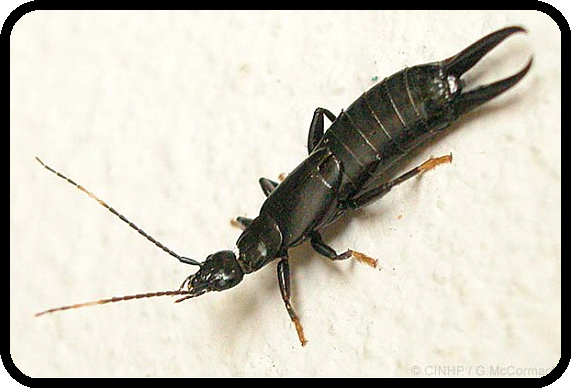
Black Earwig
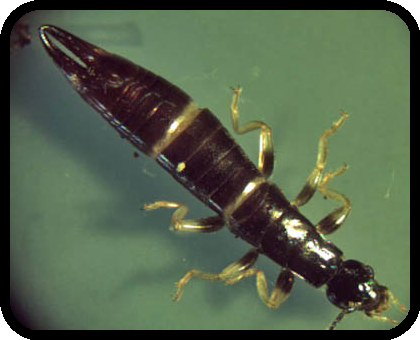
Ringlegged Earwig
Earwig 2 cm long. (missing one antenna) Dark stripe on legs
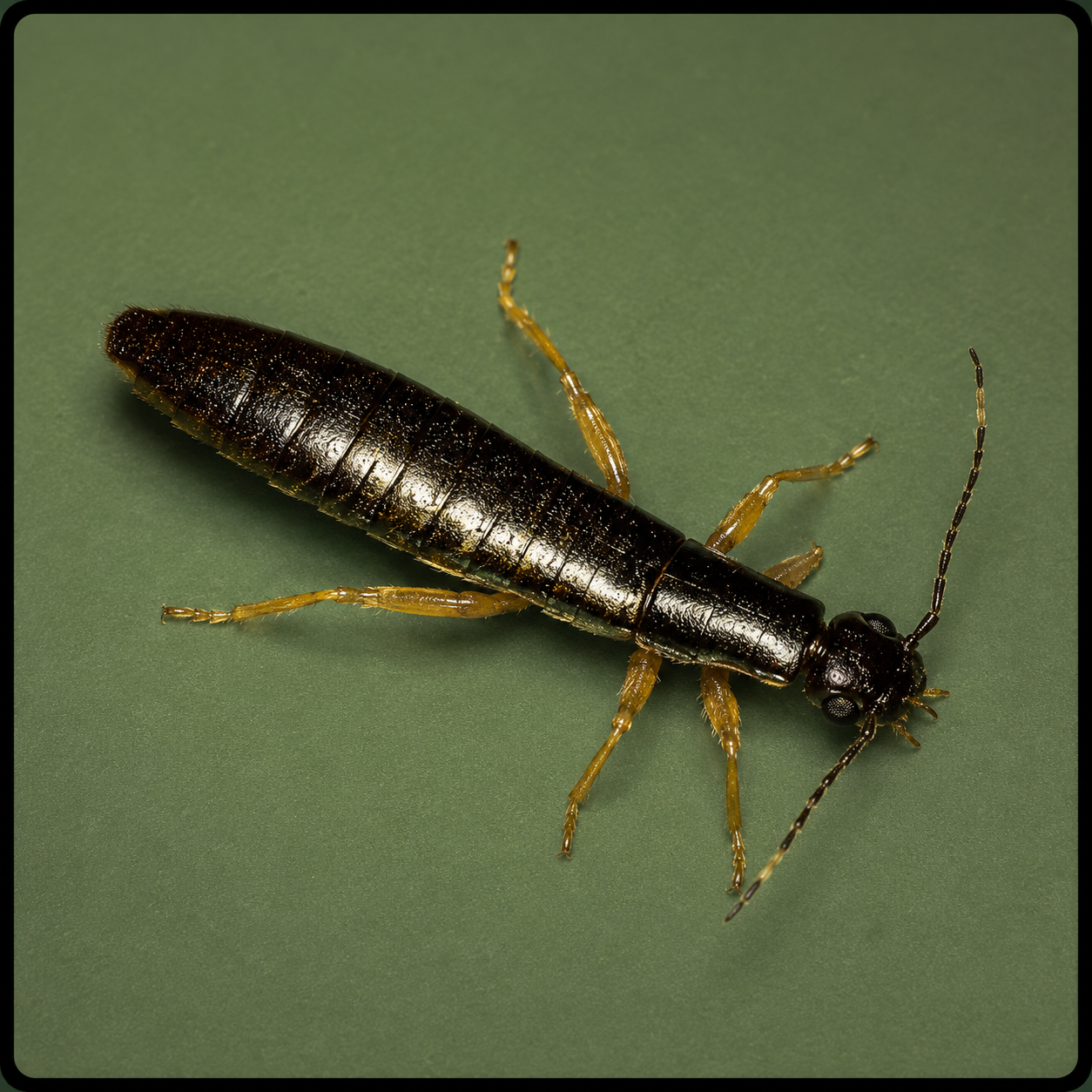
Earwig
Earwig 2 cm long. No dark stripe on legs.
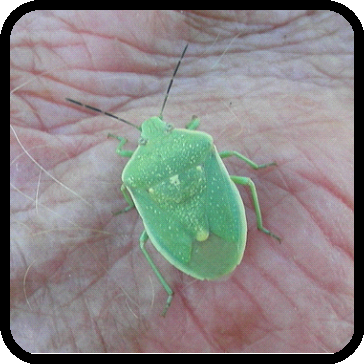
This pest is also known in some countries as the Green Vegetable Bug. It occurs throughout the Americas, in various Pacific Islands, Japan, Australia, New Zealand, and Africa. First seen in Hawaii in 1961 on Oahu, it has spread to all major islands.
Southern Green Stink Bug
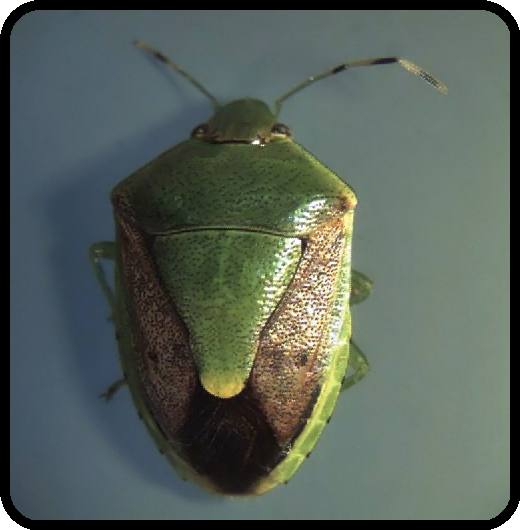
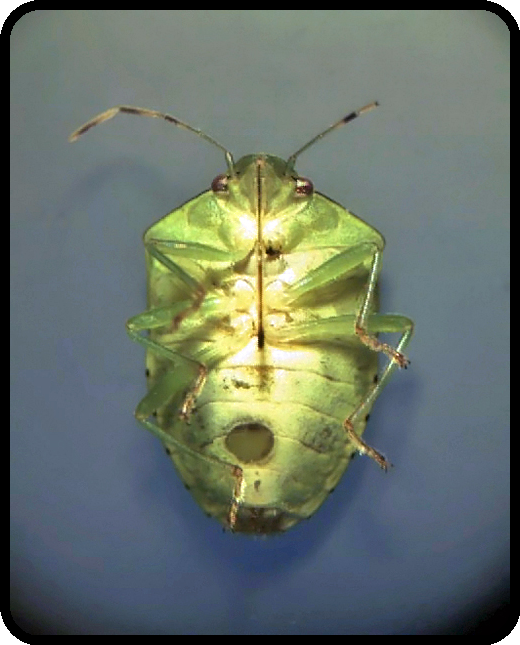
Per David Preston of the Bishop Museum “This is Plautia stali Scott, 1874 (Heteroptera: Pentatomidae). It is naturalized on Kauai, Oahu, Molokai, Maui & Hawaii, and is widespread throughout Oceania. Known as the Oriental stinkbug in Hawaii. This bug attacks a wide range of plant hosts feeding mostly on ripe or ripening fruits. It is a pest of guava in Hawaii. What appears to be a hole on the dorsal view of the bug is probably the result of a tachinid fly (Trichopoda sp.) introduced as a control for the Southern green stinkbug. These parasitic flies do not discriminate and they are in part responsible for the decline of our endemic Koa bug (Coleotichus blackburniae).”
Oriental Stink Bug
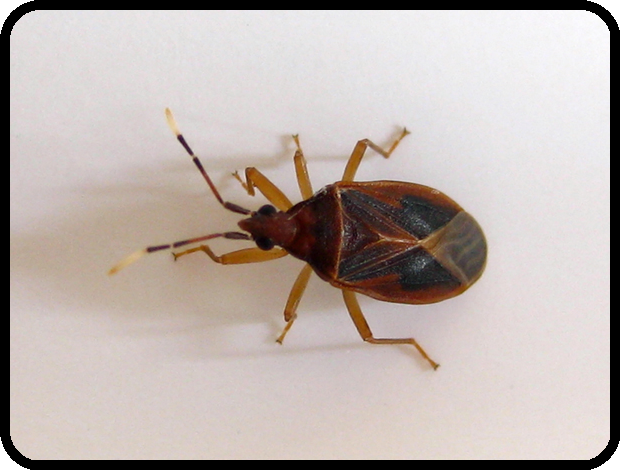
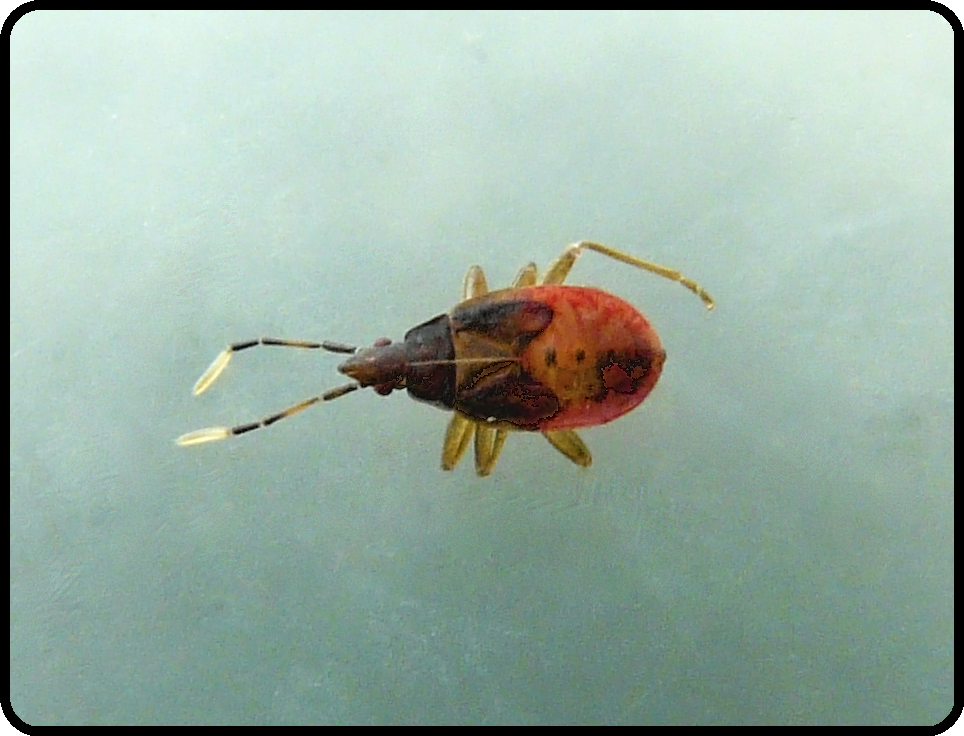
Clerada Predatory Bug
Adult Per David Preston of the Bishop Museum: “I believe the bug to be the cockroach predator Clerada apicicornis Signoret. This is a Lygaeid bug. An immigrant species first recorded in Hawai‘i in 1878.”
Nymph
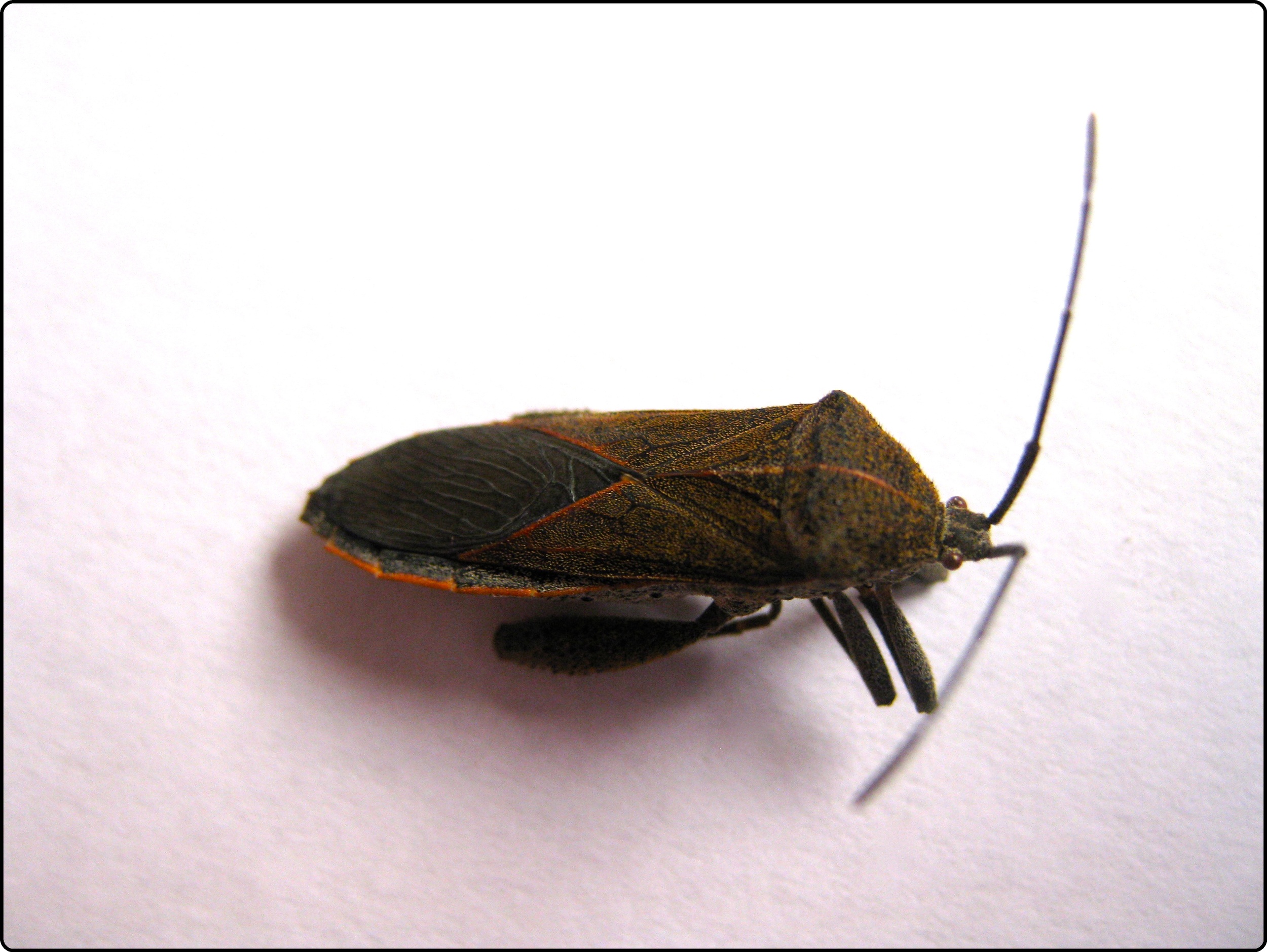
Body length 2cm. Identification by Janis Matsunaga of the Hawaiian Entomological Society.
Sweet Potato Bug
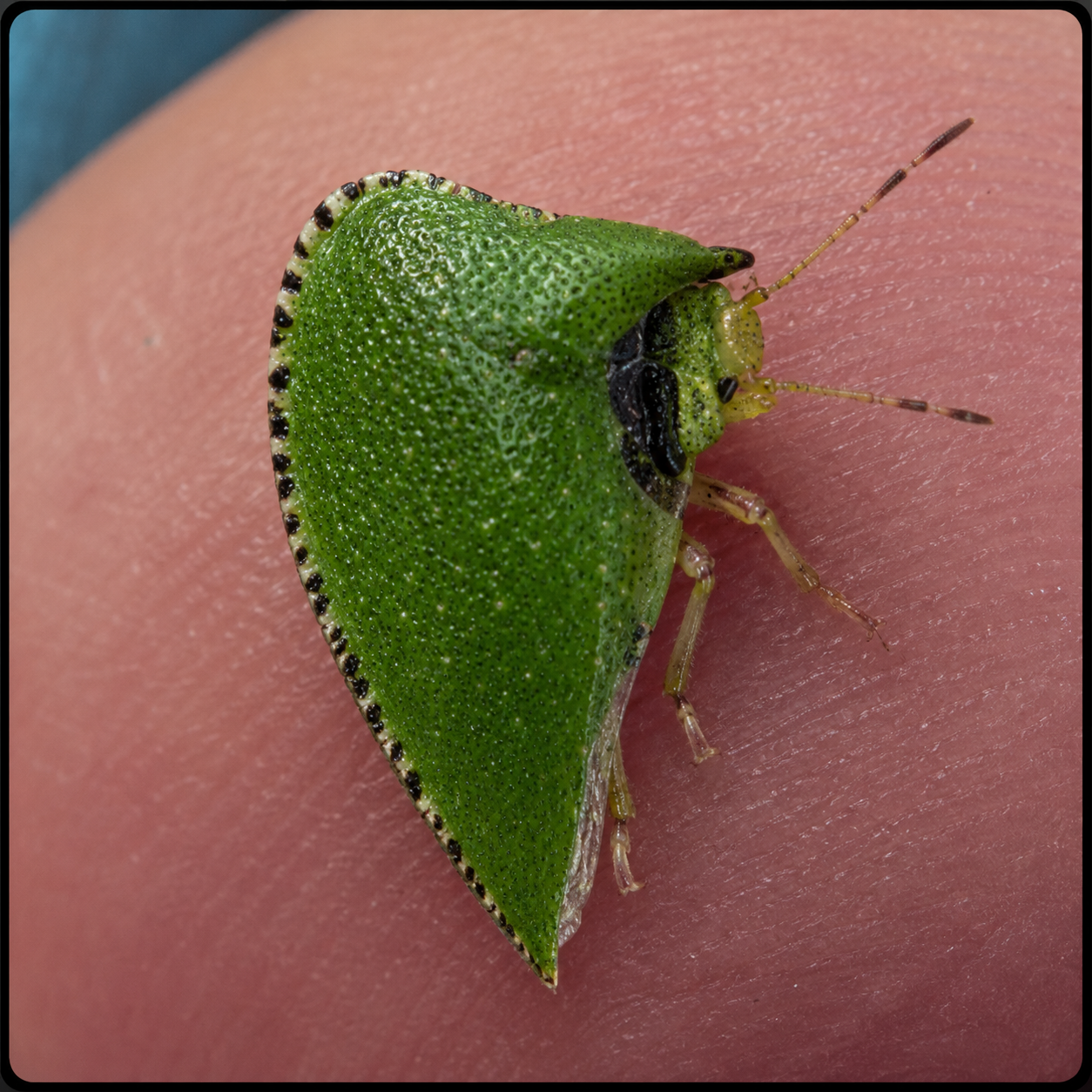
Observed but I was not able to capture. Thus, identification is in question but this is what it looked like.
Keelbacked Leafhopper
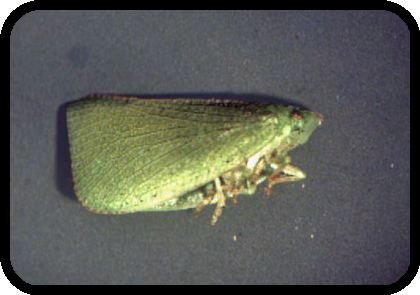
Green Planthopper
8 mm long. This is a non-native species.
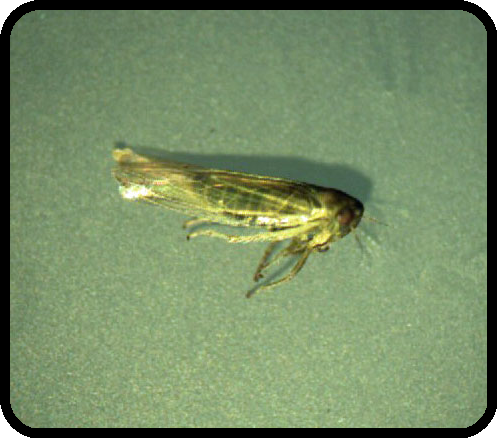
Little Green Leafhopper
Side view
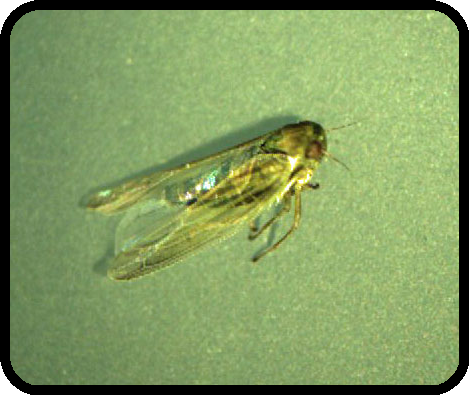
Dorsal view. Body/wing length = 2 mm.
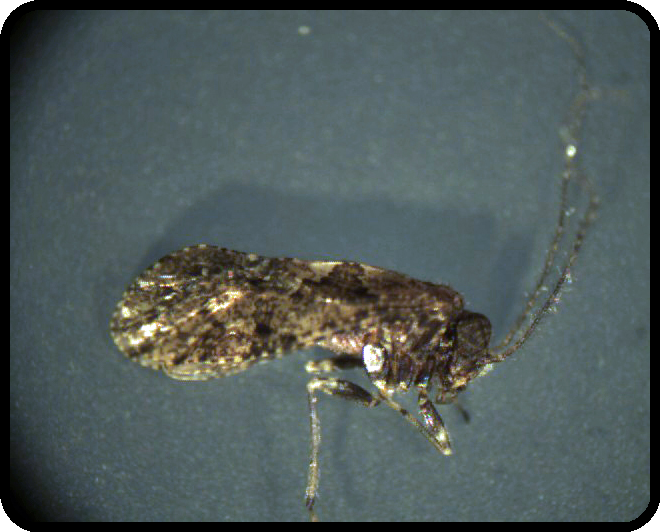
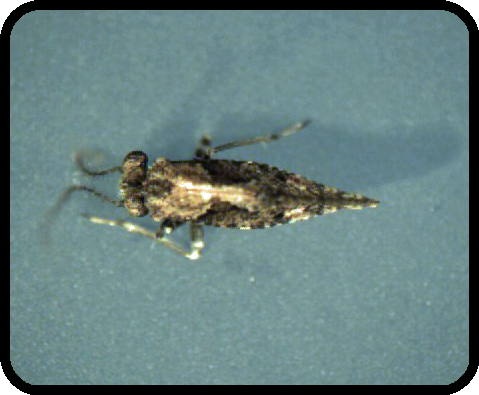
Overall length about 3 mm.
Unknown Brown Hopper
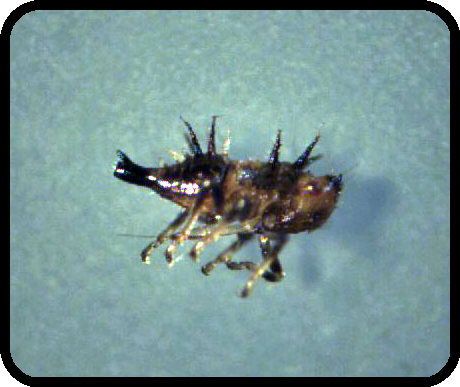
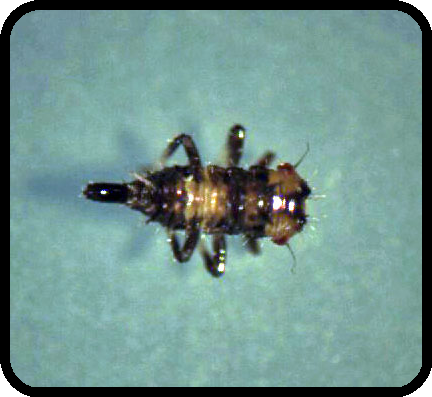
Unknown Tree Hopper
nymph
Side view. Note spikes on back and sucking tube on ventral side.
Dorsal view.
Body length = 2 mm
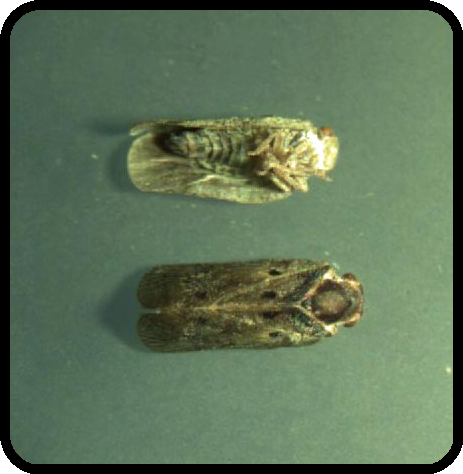
Flattid Planthopper
This hopper is about 6 mm long.
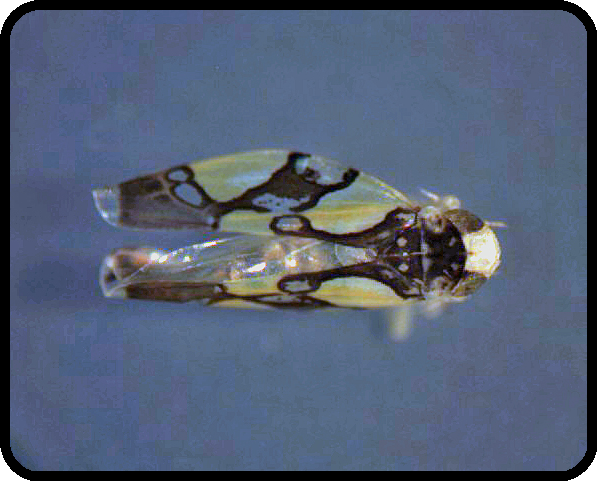
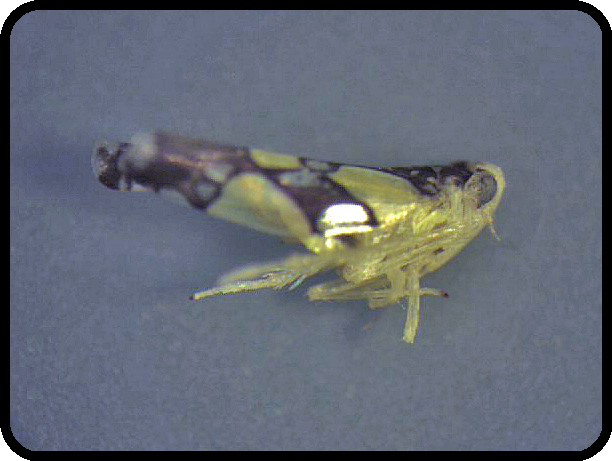
Brasilian Leafhopper
This small hopper is about 2 mm long.
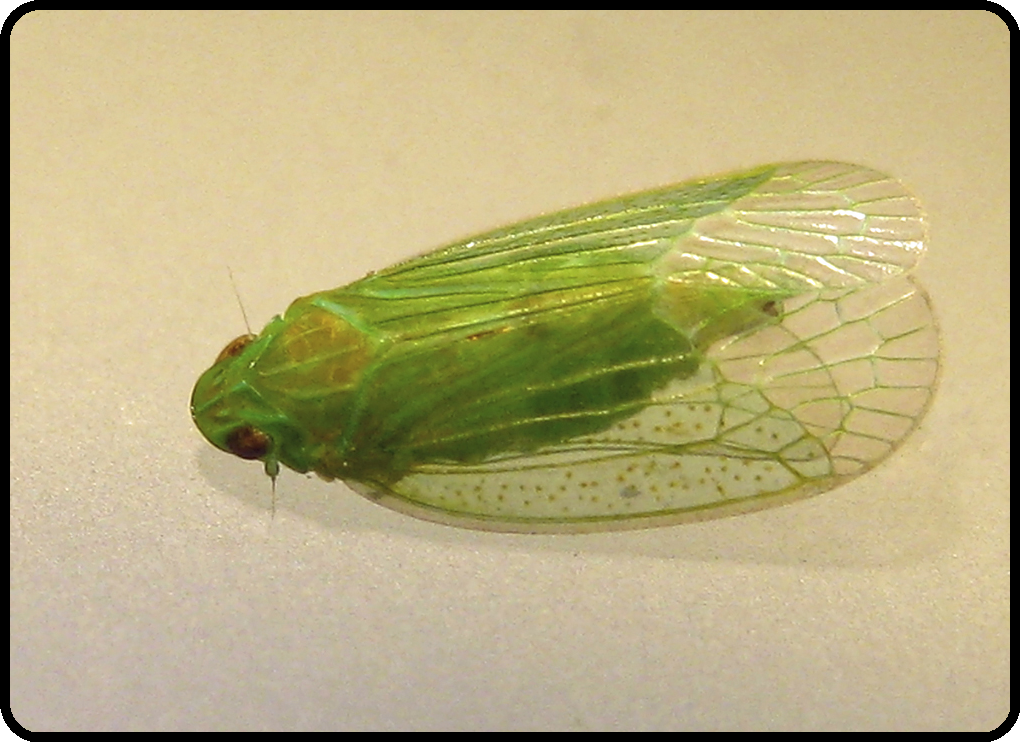
Grainy Planthopper
Adult form.
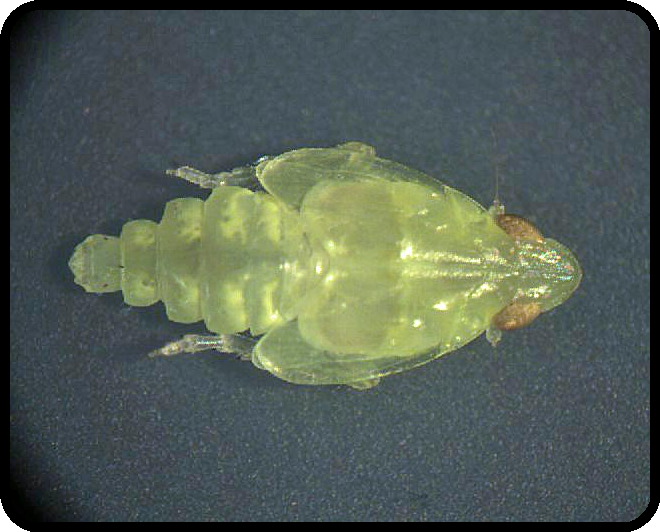
Dorsal view, wings forming.
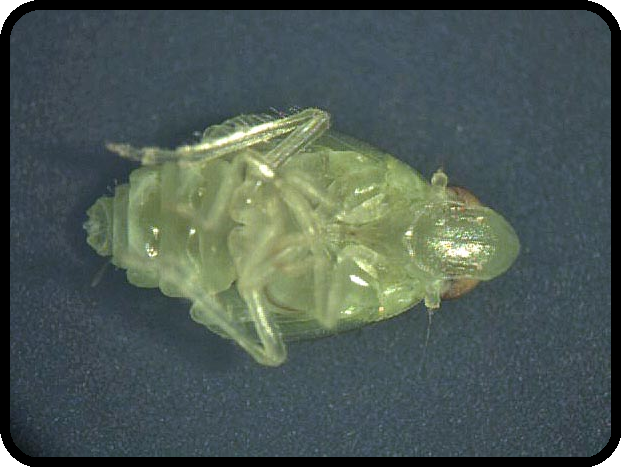
This leafhopper is about 3 mm long.
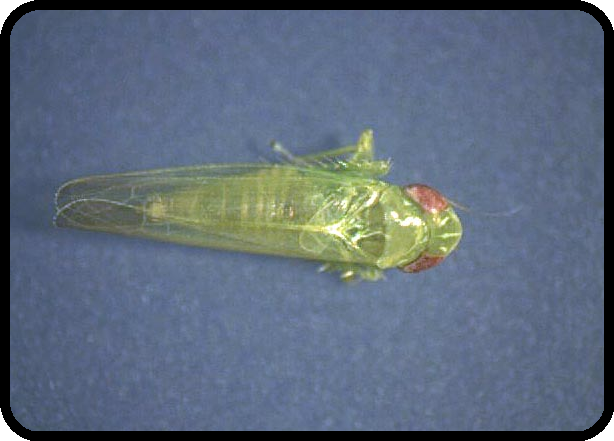
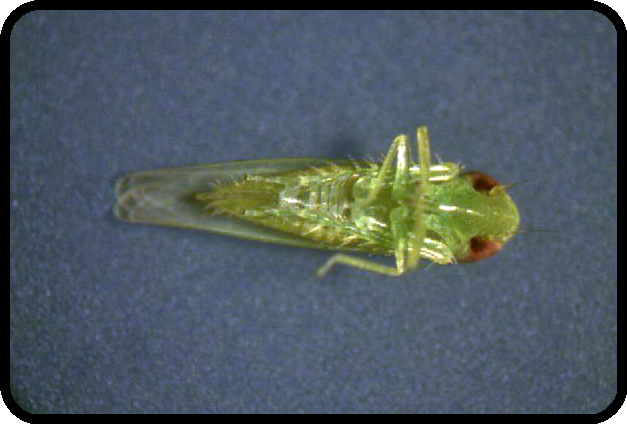
Southern Garden Leafhopper
Dorsal
Ventral. This leafhopper is about 3mm long
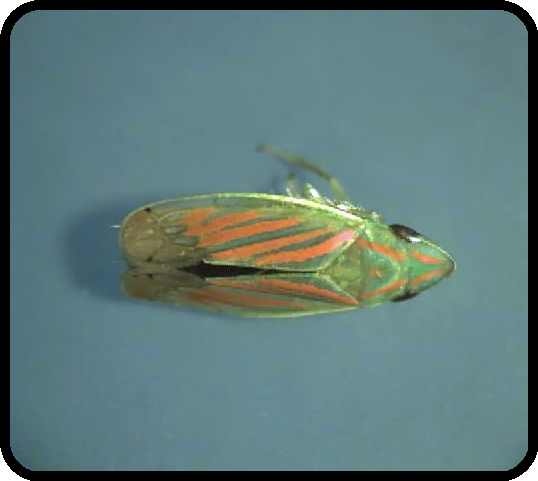
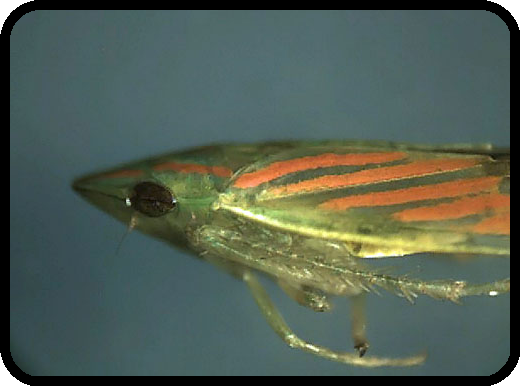
This leafhopper is 4 mm long.
Per Frank Howarth of the Bishop Museum “The distinctive color pattern and shape of the head and wings make the identification of the leaf hopper fairly secure. It is Spanbergiella quadripunctata Lawson, 1932, family Cicadellidae – or a close look-alike. This species is introduced to Hawai’i and so far known from Kauai, Oahu and Maui. All cicadellids suck sap, and some are serious agricultural pests.
Orange-stripe Leafhopper
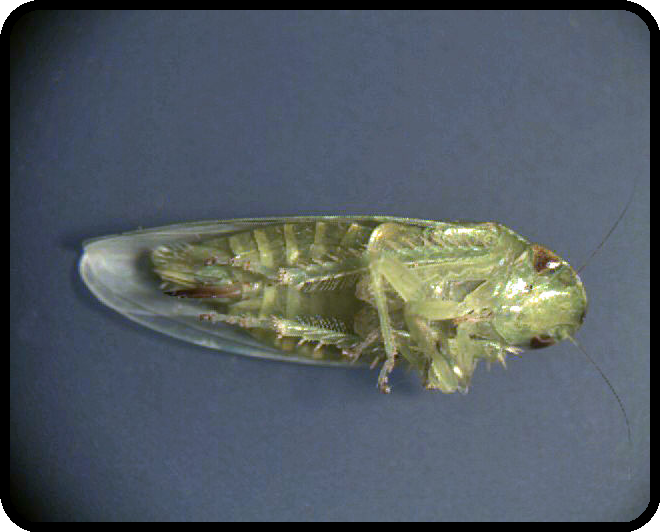
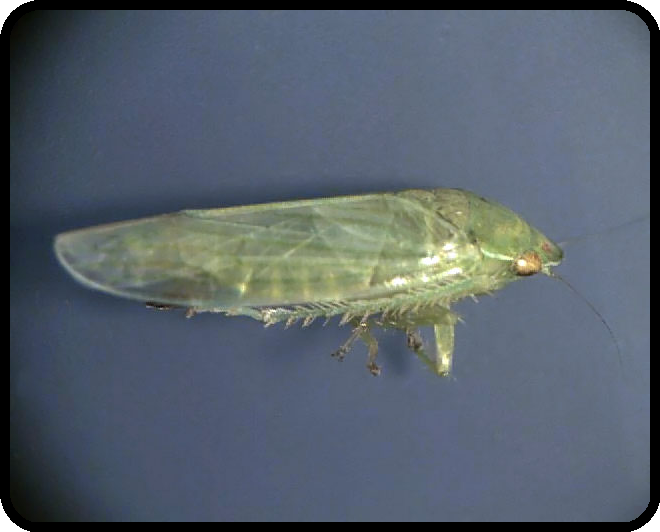
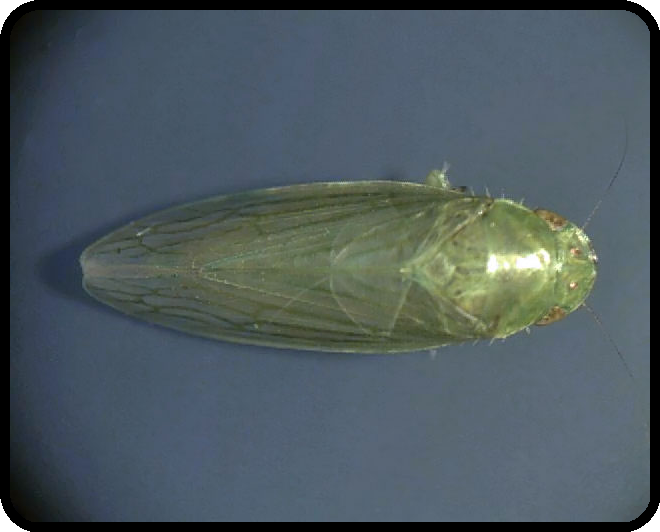
Green Vein Leafhopper
Ventral
Dorsal. Body length = 9 mm
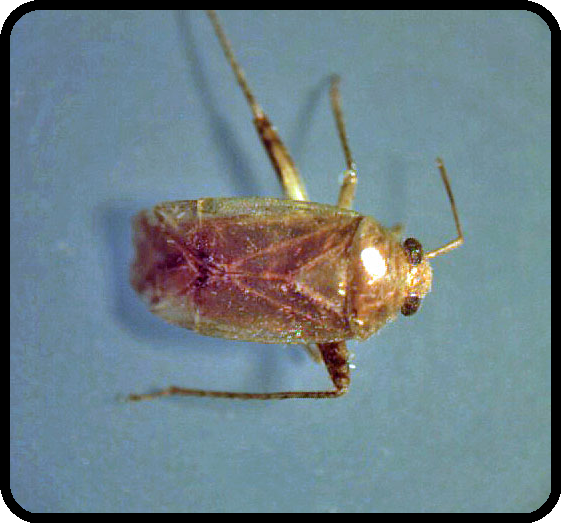
Brokenbacked Bug
Body length = 4mm.
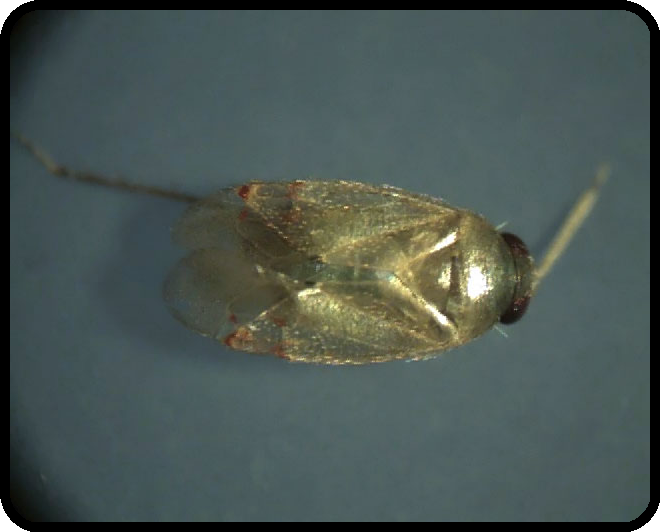
Dorsal. Body length = 2mm.
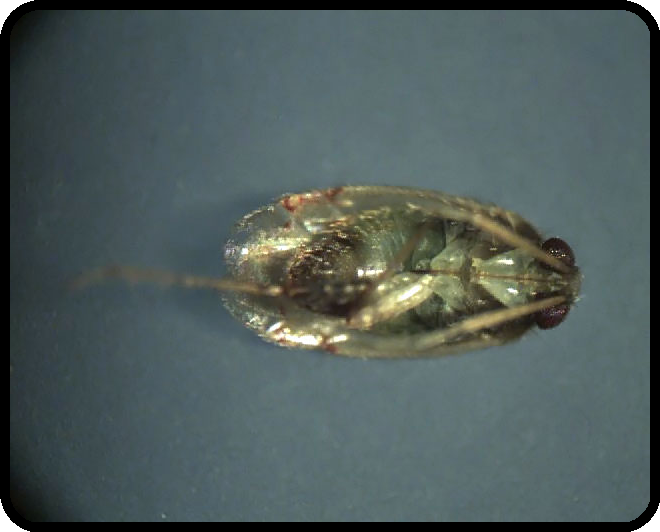
Orthotylus Plantbug
Ventral
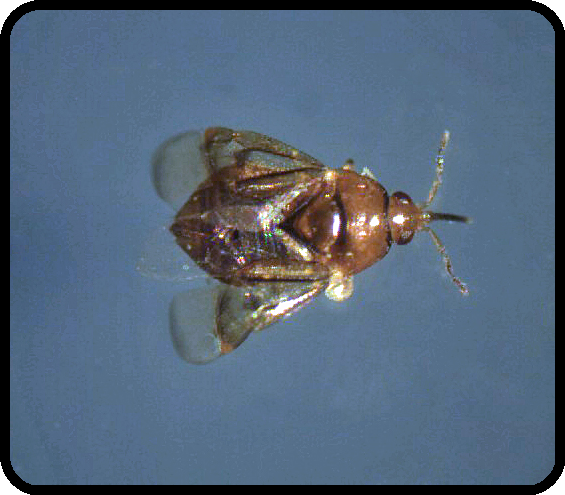
Ring-necked Plantbug
Body length = 2 mm
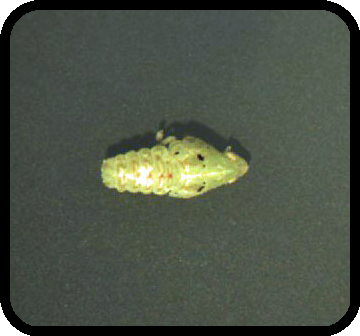
Dorsal view.
This leafhopper is an immature form of a species within the family Cicadellidae.
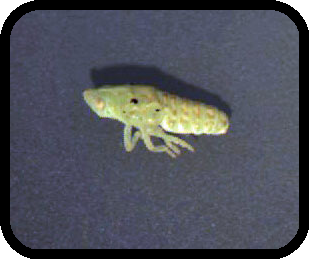
Side view. Body length = 4mm.
Spotted Leafhopper
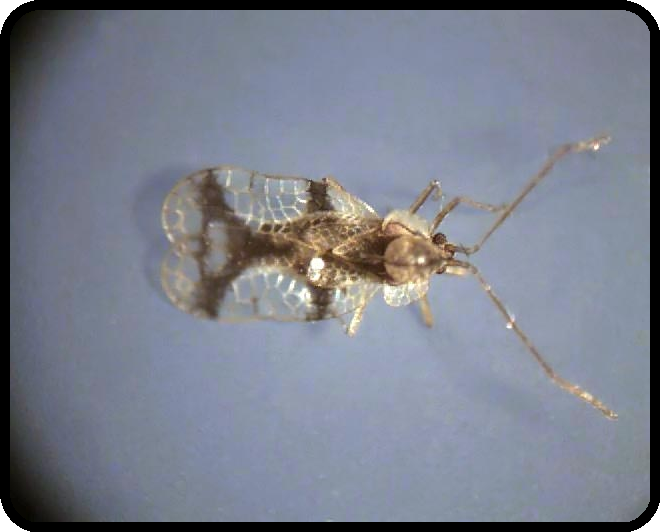
Azalea Lace Bug
Dorsal view.
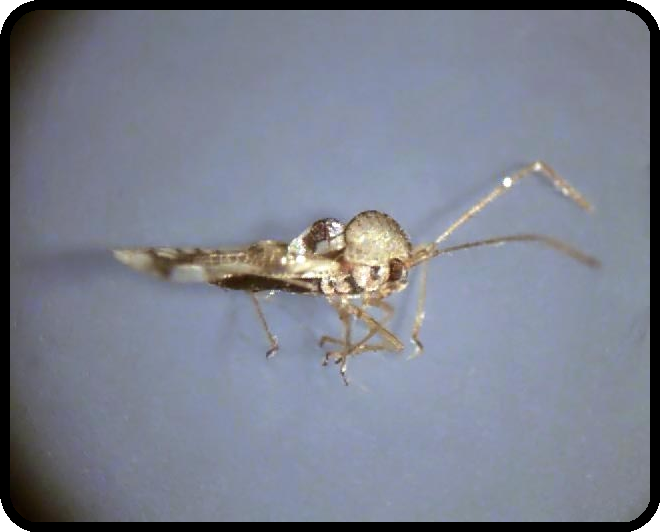
Native to Japan, the Azalea Lace Bug spread around the world through the movement of its host species, azaleas (Mead 1967).
Side view. Length = 3mm
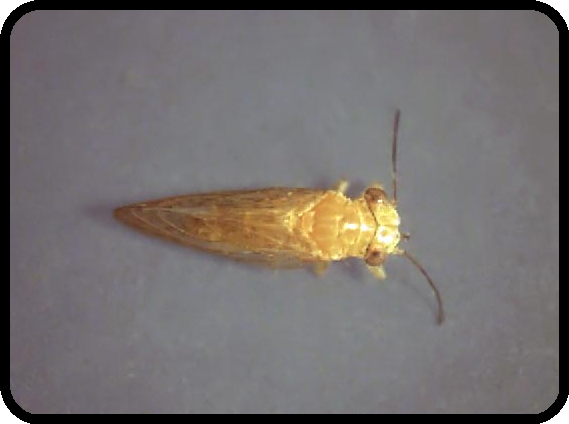
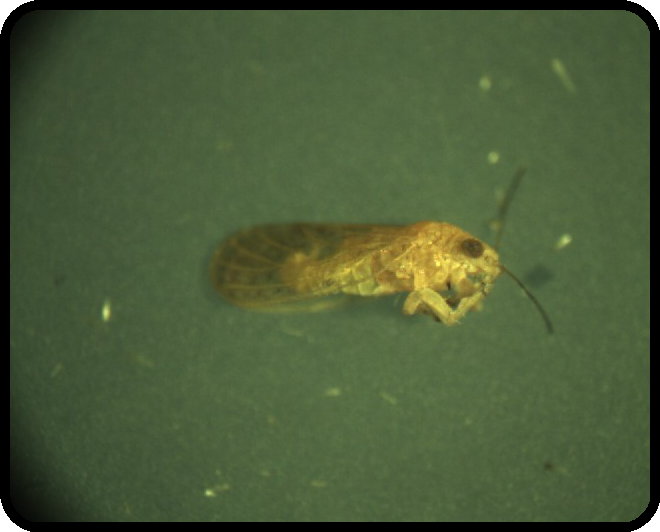
Leucaena Psyllid
This leafhopper is 2 mm long.
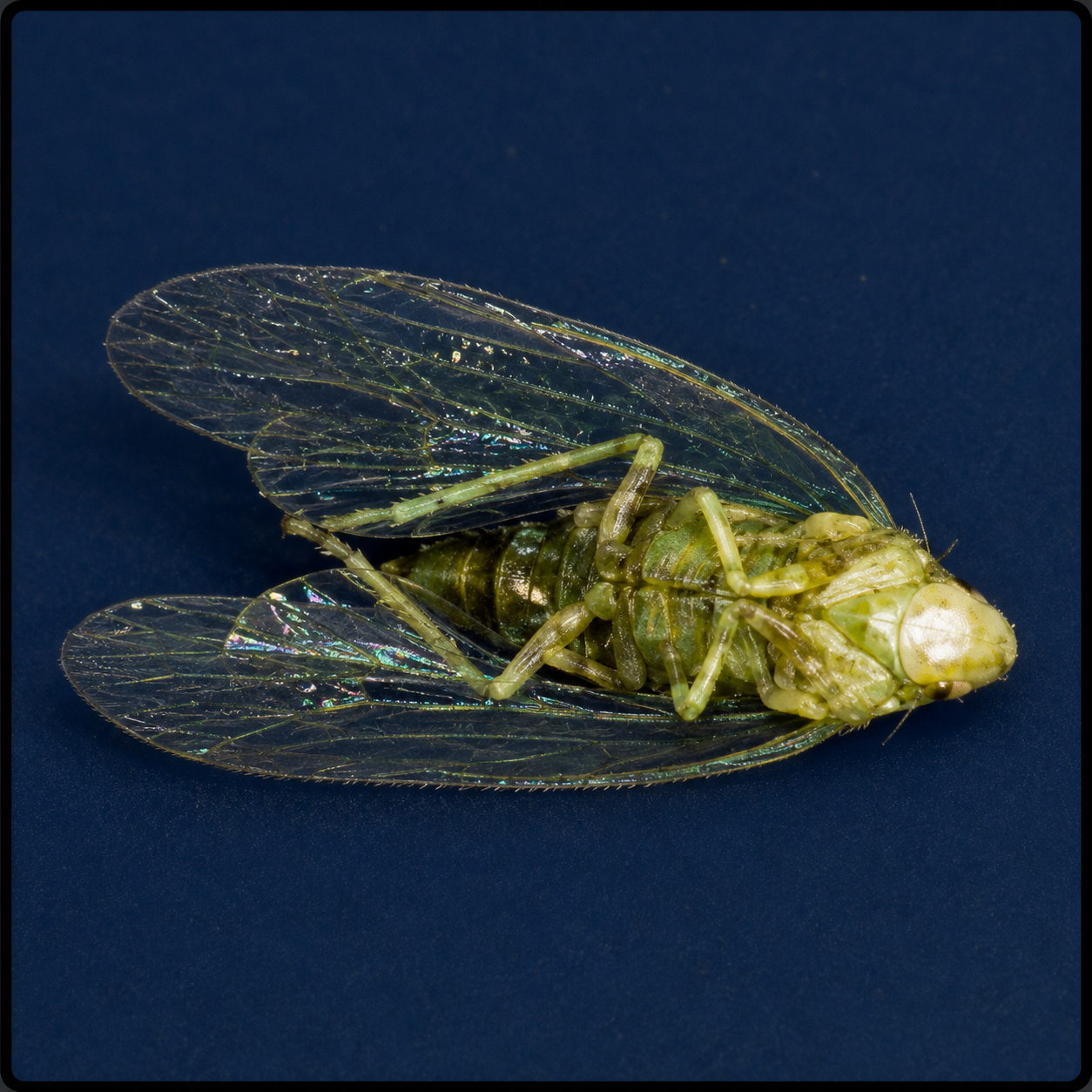
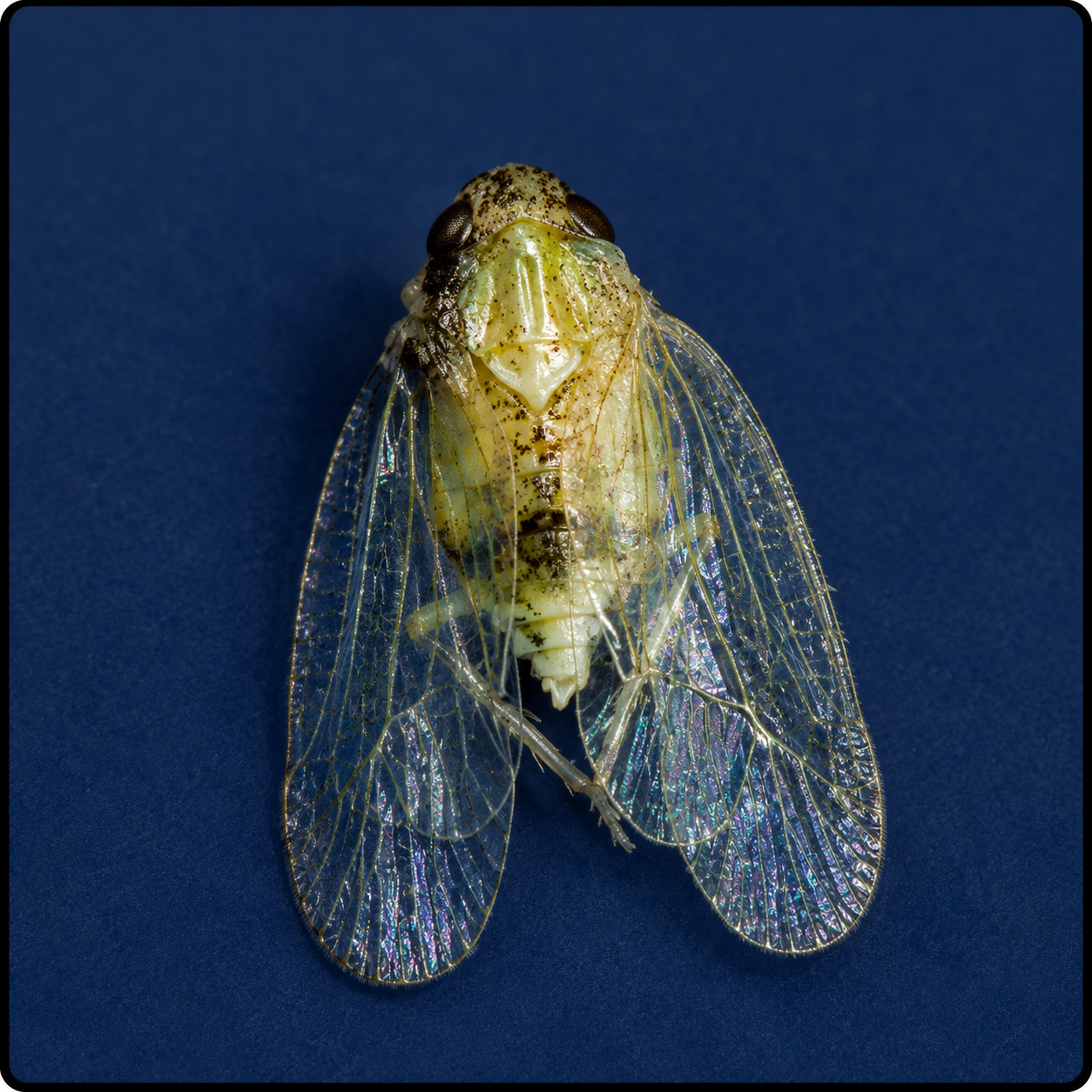
Cicada
Body length = 4 mm. Immature?
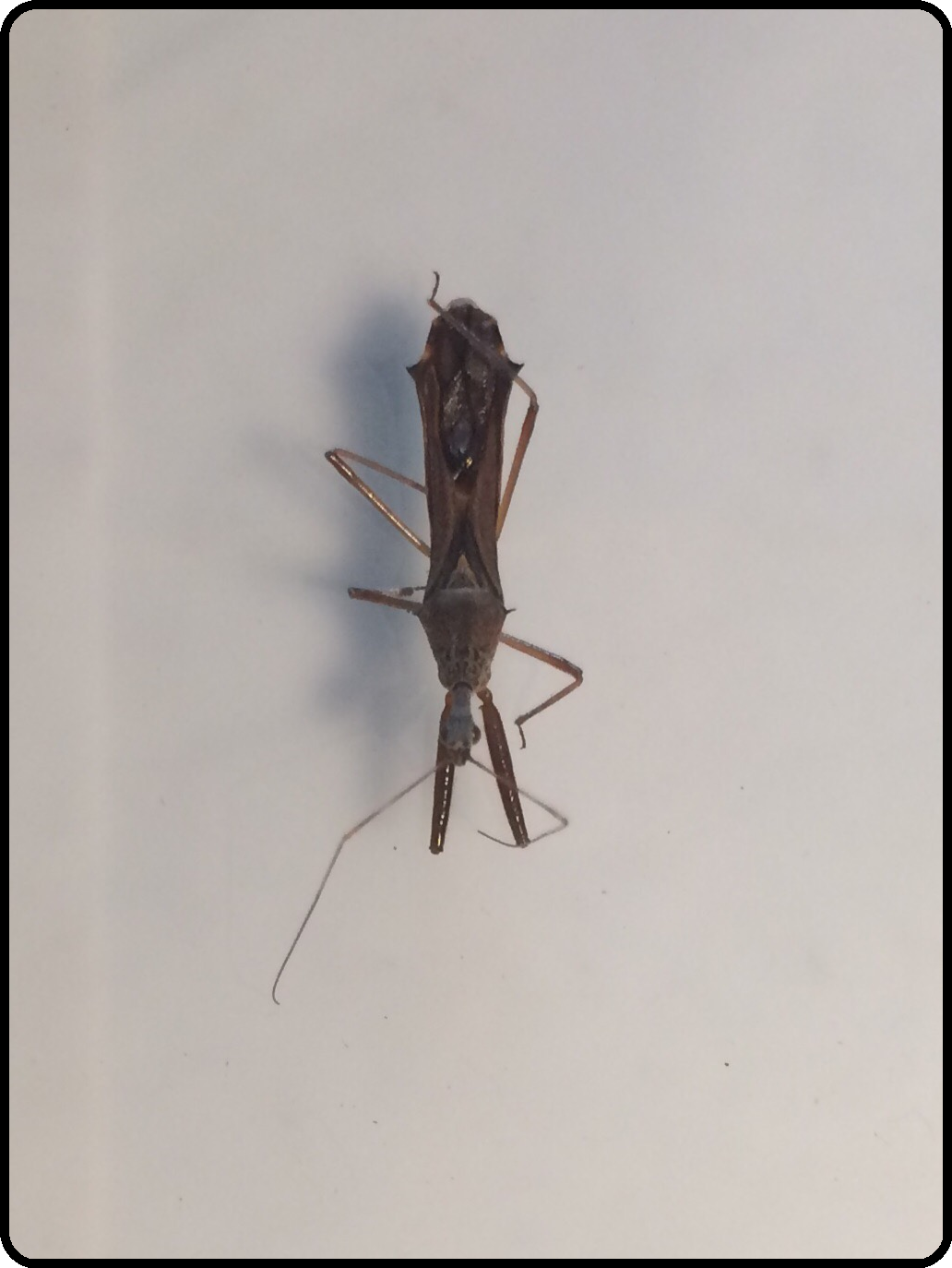
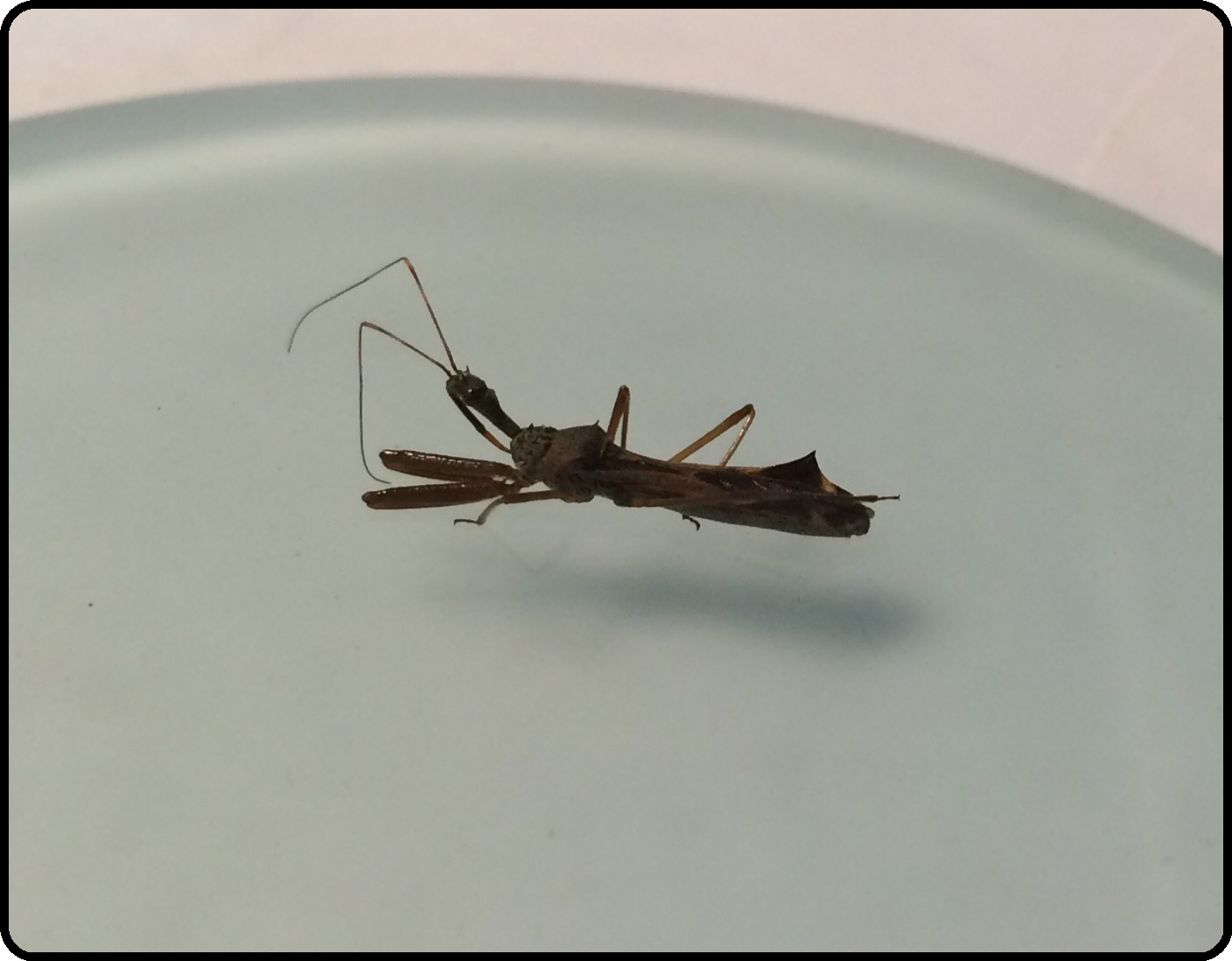
Body length: 15mm
Assassin bugs are predatory insects that feeding on a wide variety of prey including other bugs, bees, flies and caterpillars.
Tentative identification by Guanyang Zhang, PhD, University of Florida.
Assassin Bug (Epidaus sp.) ?