
Asian Tiger Mosquito (Aedes albopictus)
House Mosquito (Culex quinquefasciatus)
House Mosquito (Culex restuans)
Crane fly (Tipulidae sp.)
House Fly (Musca domestica)
Fly ( ) ?
Sarcophaga Fly (Sarcophaga sp.)
*Small Black Fly (Gabaza albiseta) ?
*Tiny Black Fly ( ) ?
*Stripe Fly ( ) ?
*Stripe Fly 2 ( ) ?
Eristalinus Syrphid Fly (Eristalinus arvorum) ?
Muscedae Fly ( ) ?
Vinegar Fly (Drosophila melanogaster)
Vinegar Fly (Drosophila hydei) ?
*Spot-wing Vinegar Fly (Leucophenga maculosa)
Black Soldier Fly (Hermetia illuscens)
*Spot-wing Soldier Fly (Evaza javanensis)
Crane Fly (Limoniaperkinsi)
*Clearwing Crane Fly ( ) ?
Mosquito Eater (Tipula oropezoides) ?
*Grey Crane Fly ( ) ?
Picture wing Fly (Euxesta annonae)
*Fly_01 ( ) ?
*White Gnat ( ) ?
Gull Midge ( ) ?
Midge (Chironomus hawaiiensis) ?
Brown Lacewing (Hemerobius pacificus)
Green Lacewing (Chrysoperla comanche)
Green Lacewing larva (Chrysoperla comanche)
Greenhouse Whitefly (Trialeurodes vaporariorum) ?
*Humpback Fly ( ) ?
Mothmidge (Clogmia albipunctata)
Dark-winged Fungus Gnat (Sciara sp.)
*Little Green Fly ( ) ?
*Red Eye Two Stripe Fly (Lauxanidae sp.)
*Cross-stripe Fly (Anthomyia vicarians)
*Stripe-wing Fly (Euxesta stigmatias)
*Black-back Fly ( ) ?
*Fat Body Fly (Megaselia sp.)
*Grey Fly ( ) ?
Yellow Hoverfly (Allograpta obliqua)
Oriental Fruit Fly (Bactrocera dorsalis)
Wasp Mimic (Taeniaptera angulata)
Biting Midge (Dasyhelea sp.)
Names preceded by an asterisk indicate common names that I have made up.
Insects: mosquitos, flies and gnats
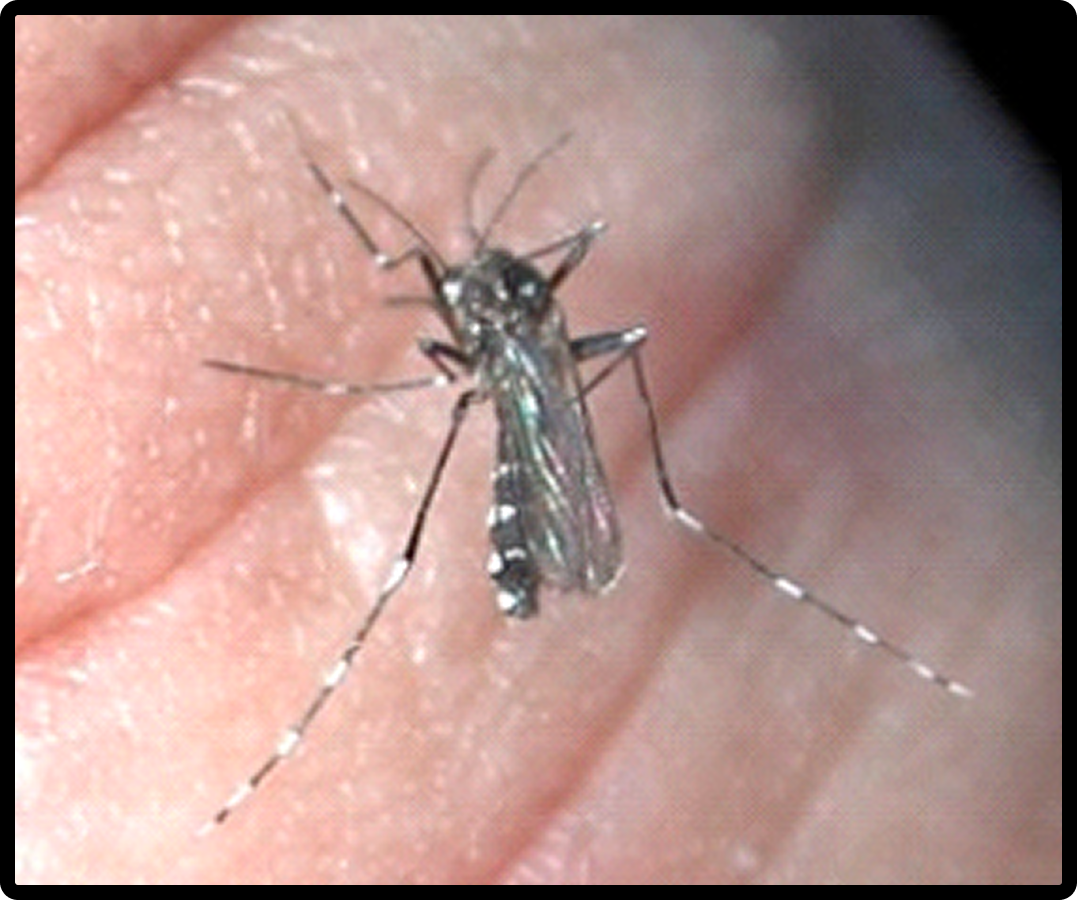
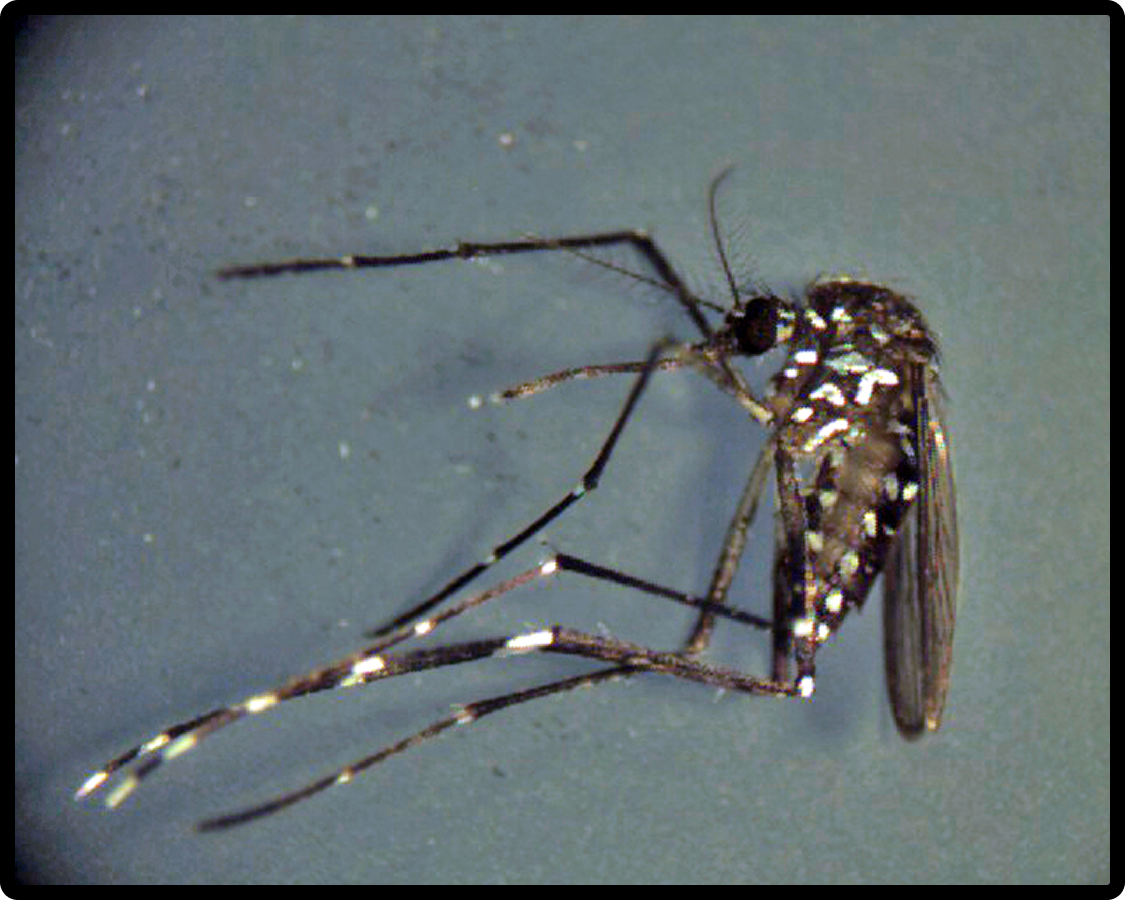
This is a day biting mosquito. Hawaii was mosquito free before 1826, when the night biting mosquito arrived. The day-biting mosquitoes reached the islands around 1892-1897.
Asian Tiger Mosquito
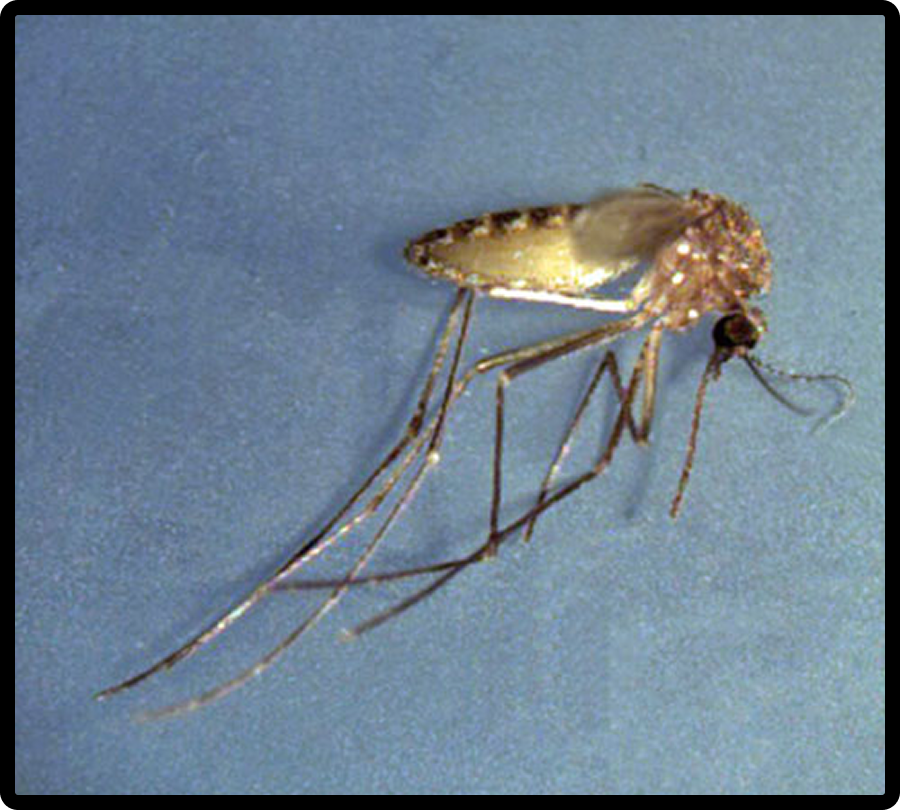
House Mosquito (Culex quinquefasciatus)
A common mosquito in Hawaii and is bigger than the Tiger Mosquito. It's a night biter and the most effective vector of West Nile virus.
[Species identification made by Nieu Nguyen and Cyntiha Harrison of the New Orleans Mosquito Control program.]
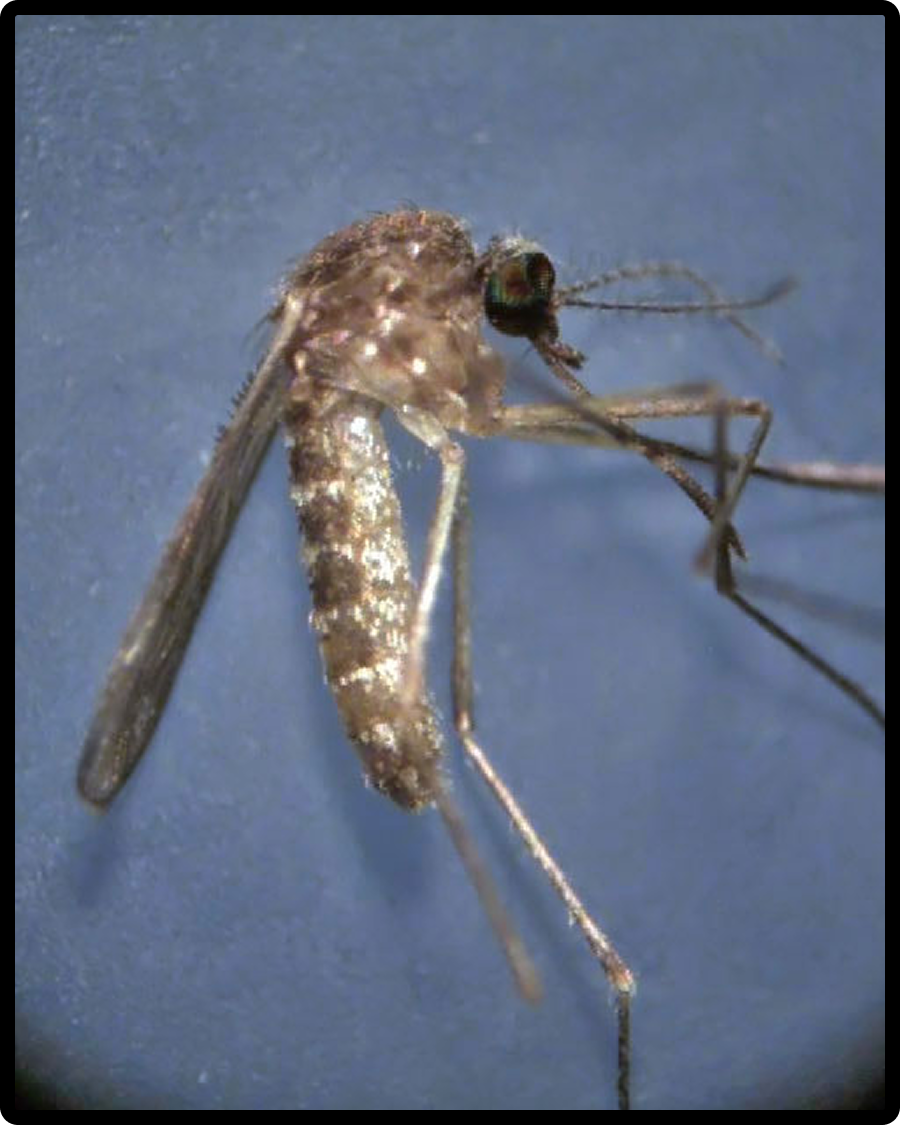
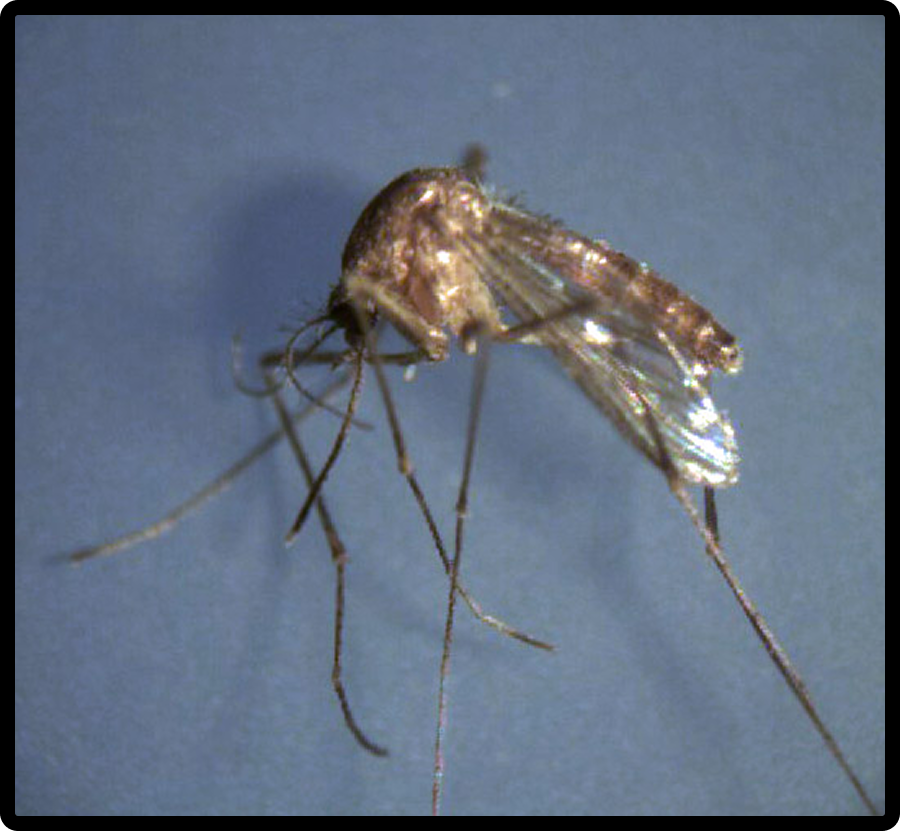
Mosquito (Culex restuans)
Body length = 3mm. Mosquito body length about 4 mm.
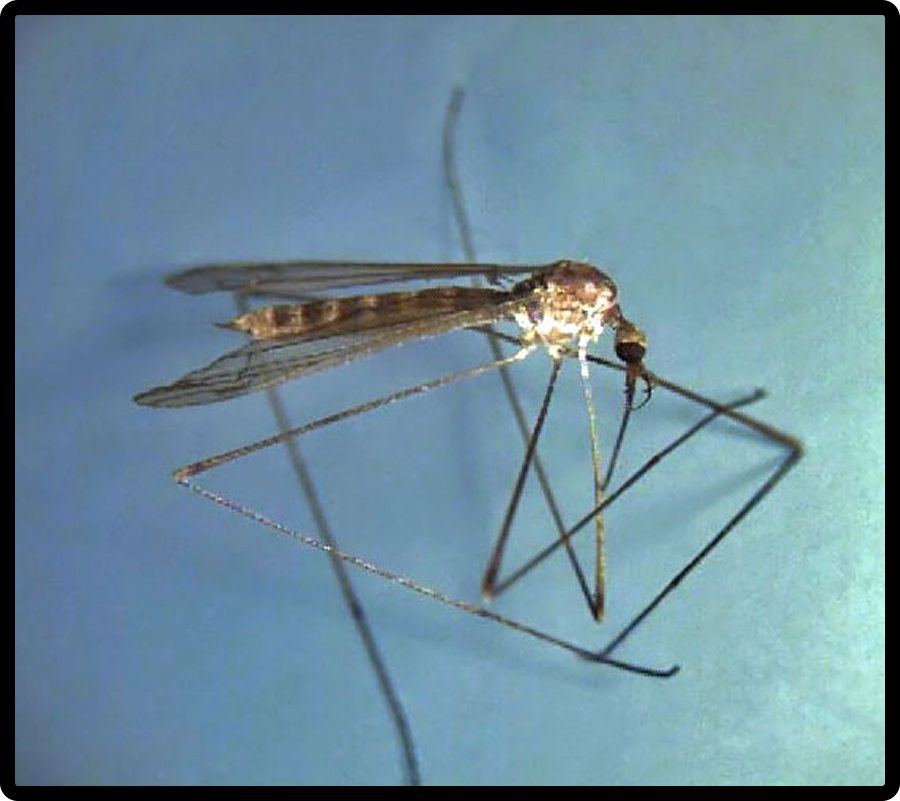
Crane Fly
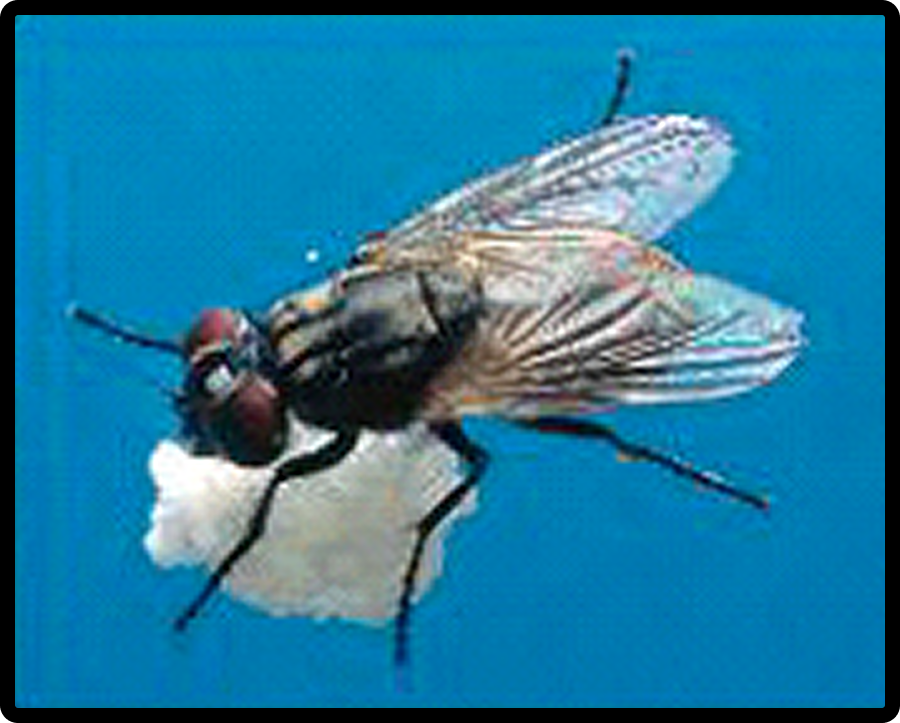
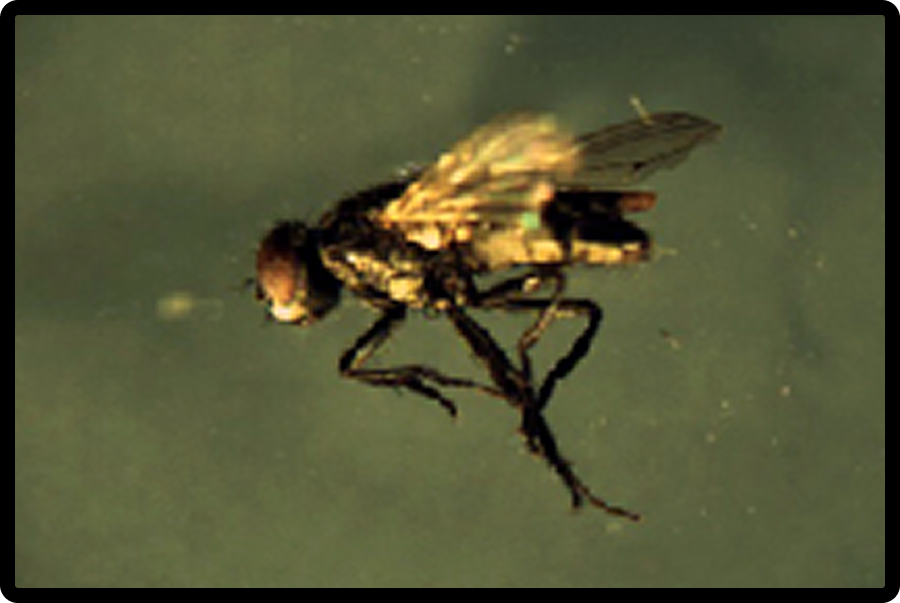
House Fly
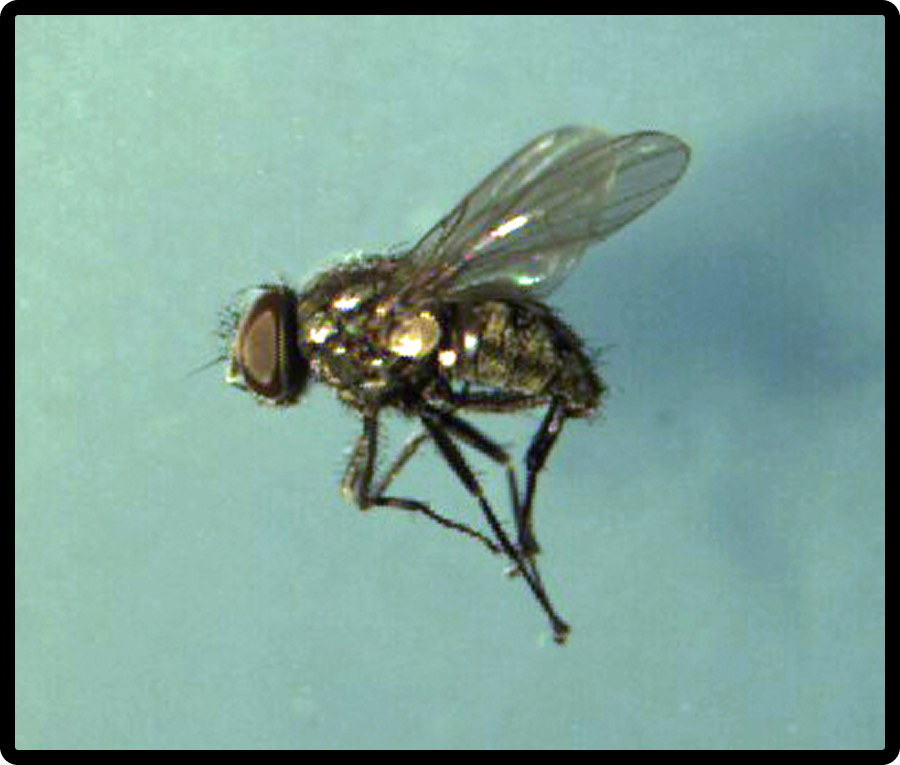
Fly
This fly is 5 mm long. It hovers with others in small groups.
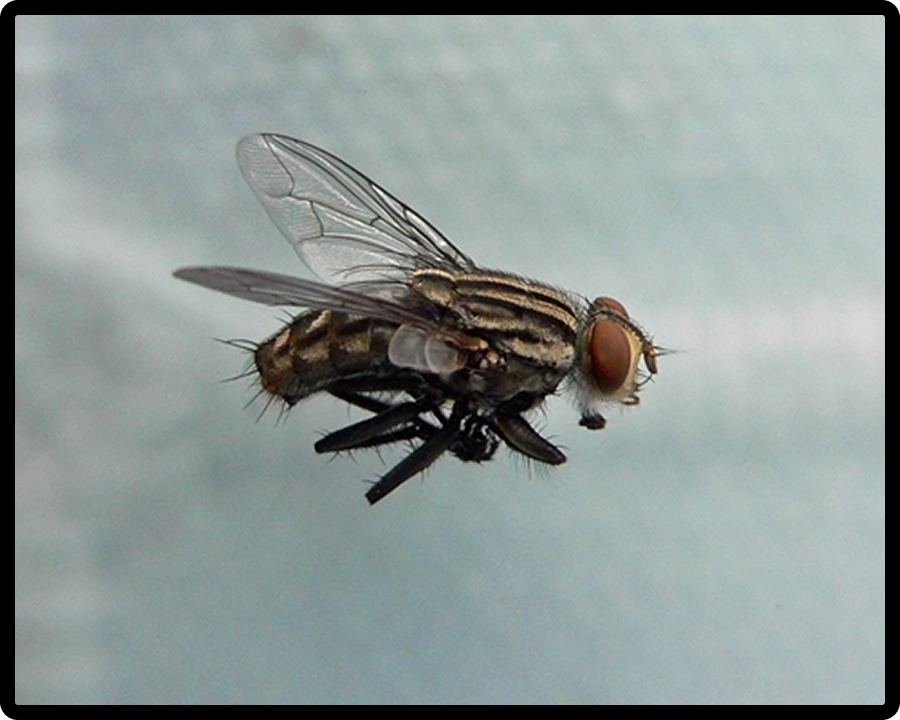
This fly has a body length of 12mm.
ID by Frank Howarth of the Bishop Museum.
Sarcophaga Fly
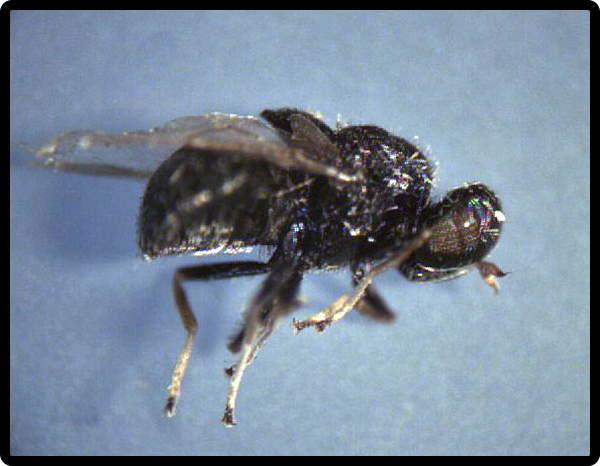
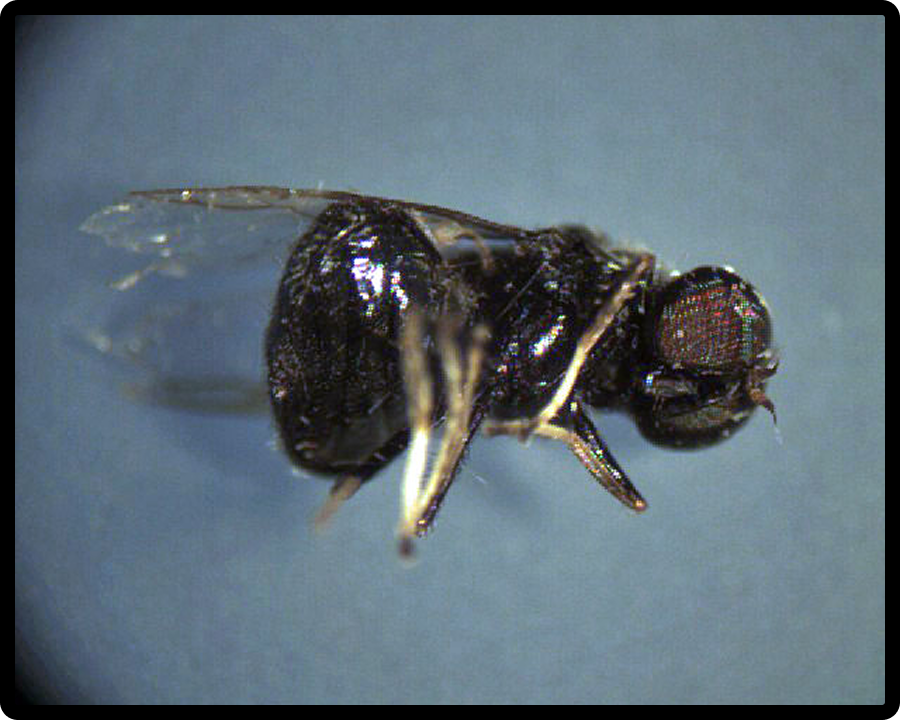
Ventral. Body length = 3 mm. Identification made by Dr. Norman Woodley, National Museum of Natural History.
Small Black Fly
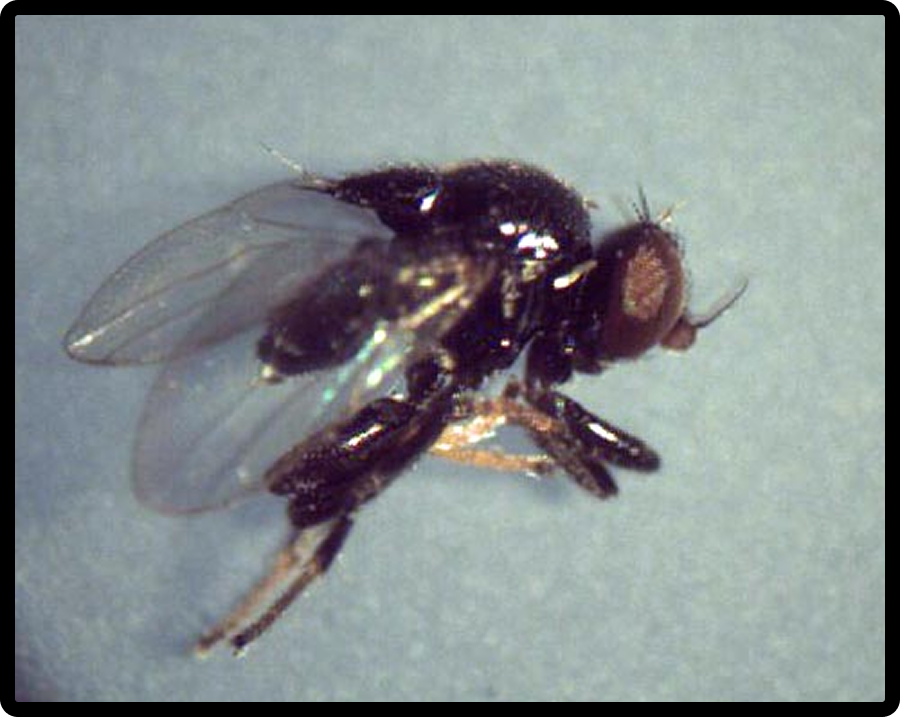
Tiny Black Fly
This fly is about 2 mm long.
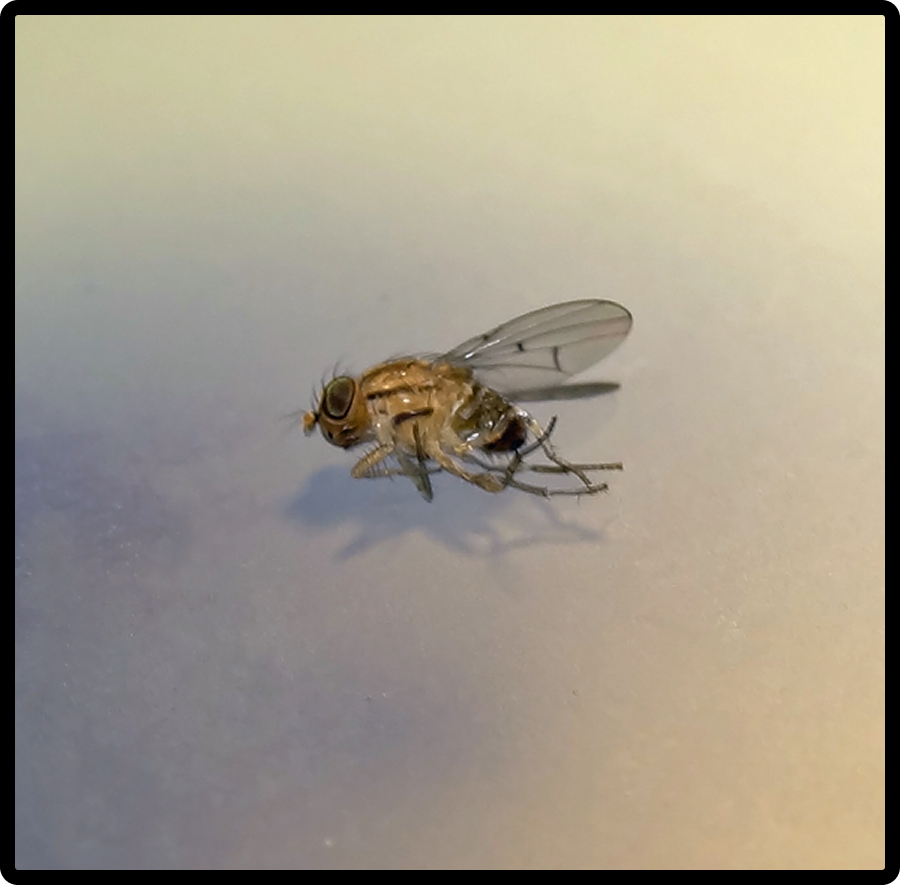
Stripe Fly
This fly is about 5 mm long.
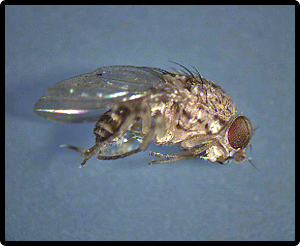
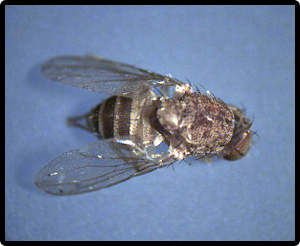
Stripe Fly (type 2)
(Immediate left) Dorsal view. Fly length = 3 mm.
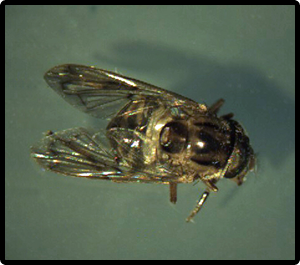
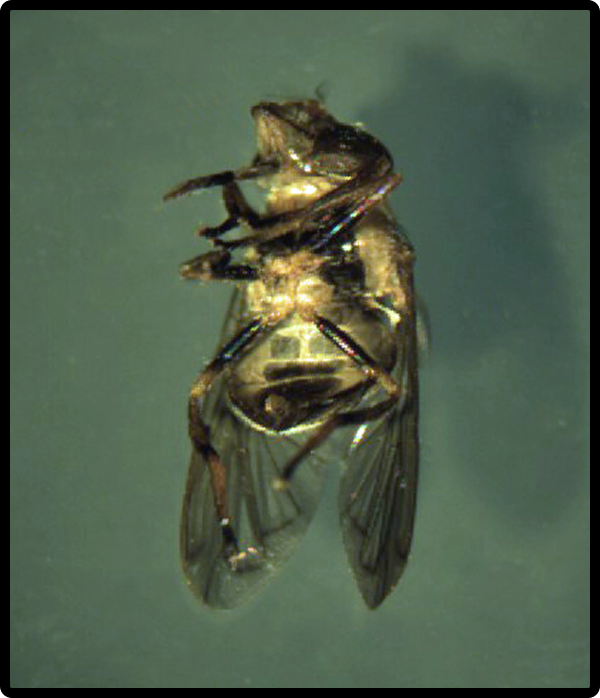
Eristalinus Syrphid Fly
Ventral view. Note protrusion from lower jaw! Body length about 1 cm.
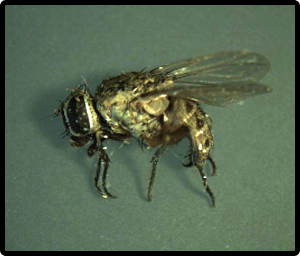
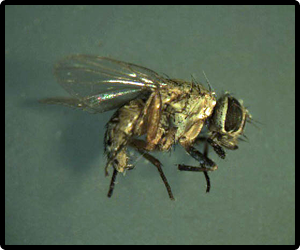
Body length = 4 mm. Identification made by Dr. Martin Hauser, California Department of Food and Agriculture.
Muscedae Fly
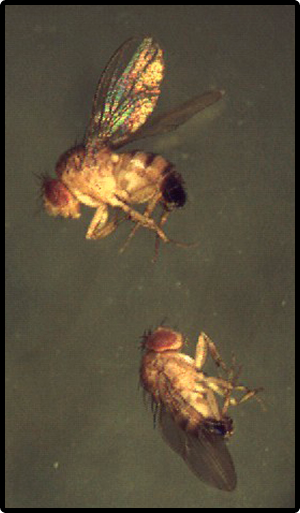
Vinegar Fly (D. melanogaster)
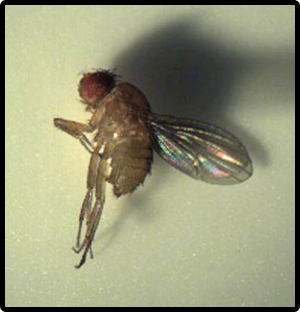
Vinegar Fly (D. hydei)
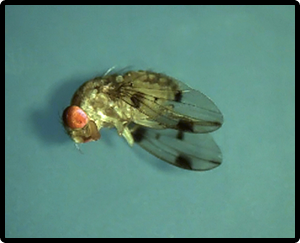
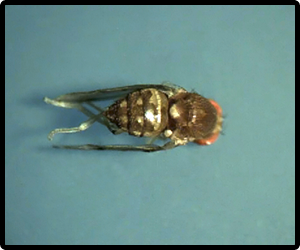
Side view. Body length = 3 mm.
Dorsal view. This is an introduced species.
Spot-wing Vinegar Fly
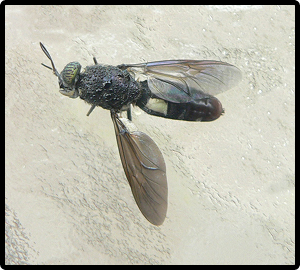
This fly is about 1.5 cm long. Identification made by Dr. Martin Hauser, California Department of Food and Agriculture. The soldier fly was first seen in 1930 in the fields of the Hilo Sugar Co.; now it is found on all of the major Hawaiian islands.
Black Soldier Fly
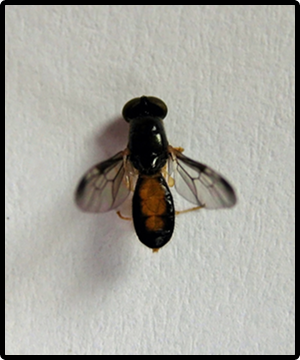
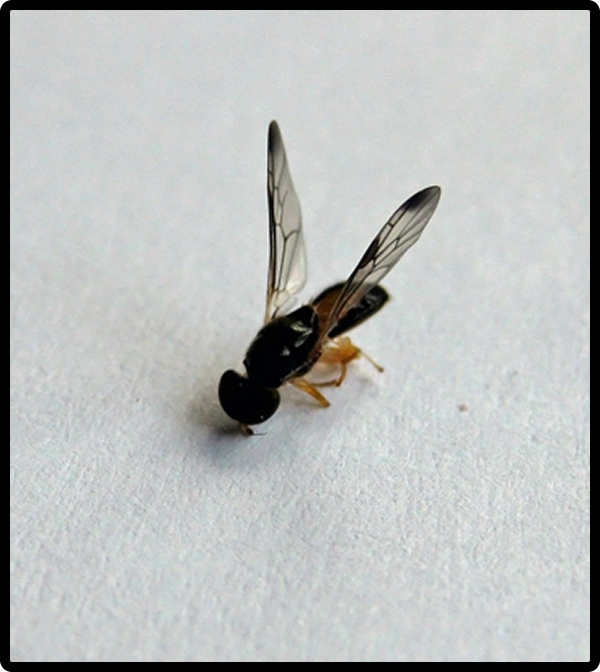
Body length is 6 mm.
Two black spots on clear wings and yellow patch on dorsal side of abdomen. This fly is a member of the Stratiomyidae family. Species identification by Norm Woodley at the USDA Systematic Entomology Laboratory.
Spot-wing Soldier Fly
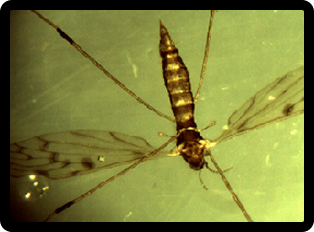
Body length = 5mm; leg length = 15mm.
Per David Preston at the Bishop Museum “It is a very common lowland crane fly species. It is an immigrant recorded from the Marquesas, Fiji, Tahiti and Samoa. The species can be recognized by the strongly arched vein R3, and broad black apices of the femora. It breeds in tree holes, leaf axils, and decaying vegetation.”
Crane Fly
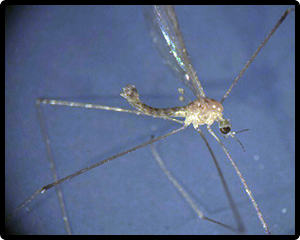
Clearwing Crane Fly
Body length = 4mm. There are no spots on the wings.
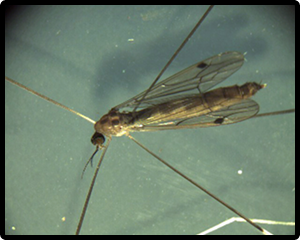
Body length = 1cm, leg length = 4 cm. This is a Tipulidae, possibly Tipula oropezoides.
Despite the common name “mosquito eater” adult crane flies feed on nectar or they do not feed at all; most crane fly species live only to mate and die once they become adults.
Mosquito Eater (a large Crane Fly)
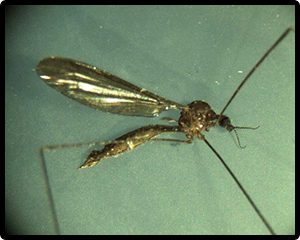
Grey Crane Fly
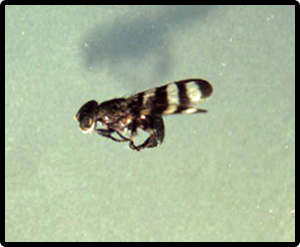
Body length = 1 cm, leg length = 2.5 cm.
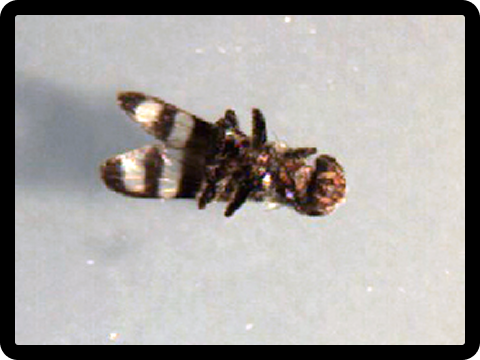
Fly body length = 4mm.
Bishop Museum says: the fly is Euxesta annonae (Fabricius, 1794), a picture-winged ottitid fly.
Picture Wing Fly
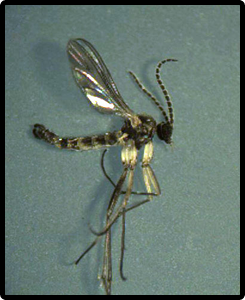
Fly_01
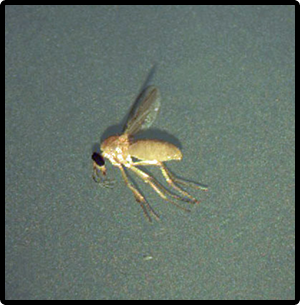
White Gnat
Body length = 2 mm.
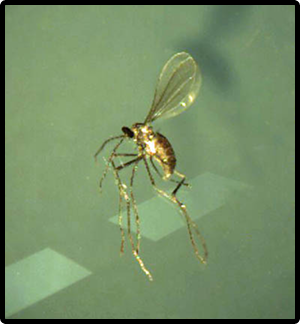
Body length about 1 mm. Identification made by Dr. Martin Hauser, California Department of Food and Agriculture.
Gull Midge
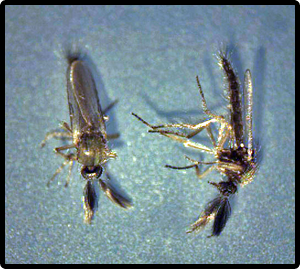
Body length 2 mm. These midges fly in small swarms. This is probably the endemic species Chironomus hawaiiensis.
Midge
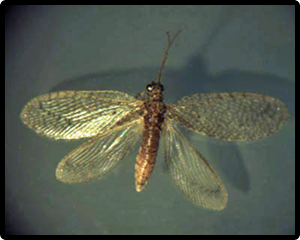
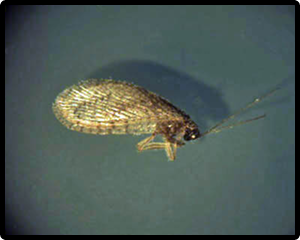
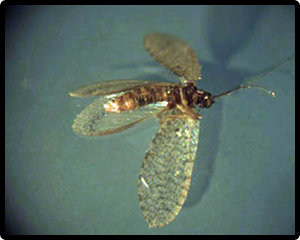
Ventral view. Body length about 7 mm. This may also called “Nesomicromus vagus” in the book by Howarth and Mull (Hawaiian Insects and their Kin) and is endemic on all major Hawaiian islands.
Brown Lacewing
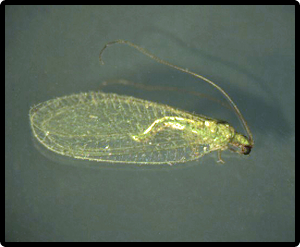
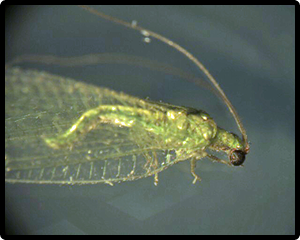
Green Lacewing
Side view. Body length, 6 mm. Closer view of large eye.
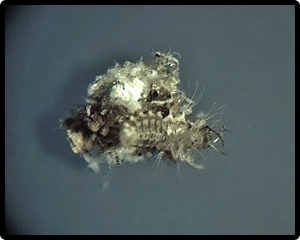
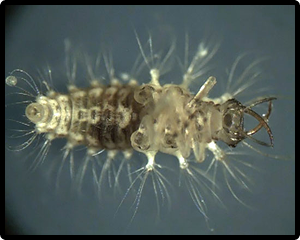
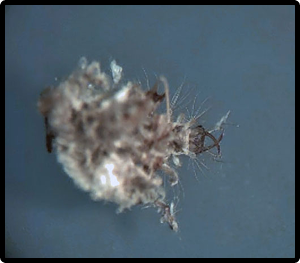
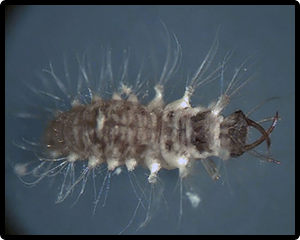
Close-up dorsal view with fuzzy debris removed from back.
This bug collects various debris on its’ back which I presume is a method of disguise. It looks like a small pile of fuzz and is only noticeable when it moves.
Green Lacewing larva
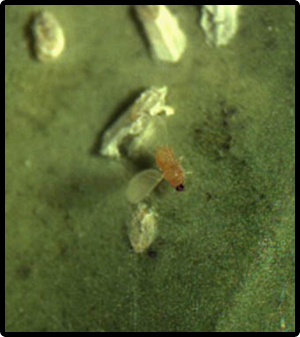
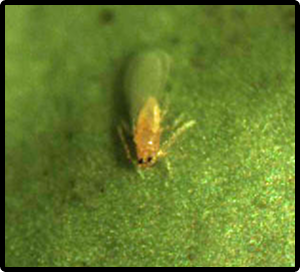
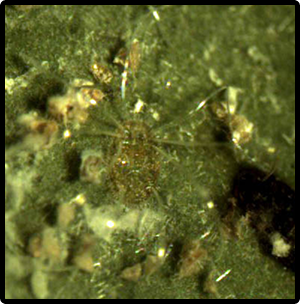
Greenhouse Whitefly
Whitefly pupa with long glassy setae on the dorsal surface.
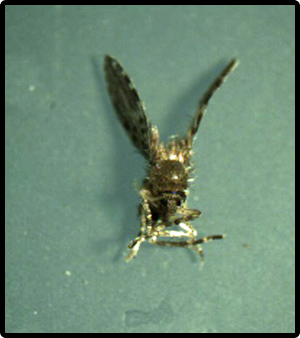
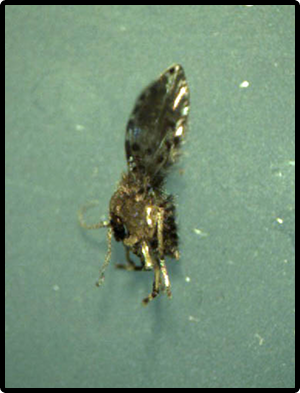
Humpback Fly
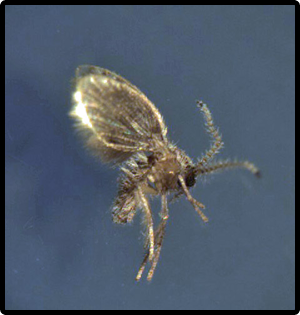
Side view. Length = 1.5 mm.
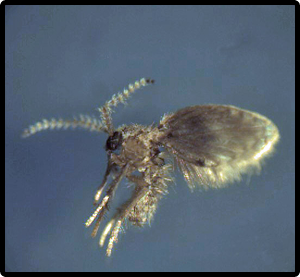
Per Frank Howarth of the Bishop Museum: “It’s a moth fly, family Psychodidae; the species is Clogmia albipunctata (Williston, 1893). The larvae of this species are scavengers in highly polluted damp to aquatic habitats and are sometimes common in Hawaiian homes where they live in sink drains. The species has been introduced worldwide by humans. They are harmless to humans.” Note: this specimen caught outside near a fish pot with water plant.
Mothmidge
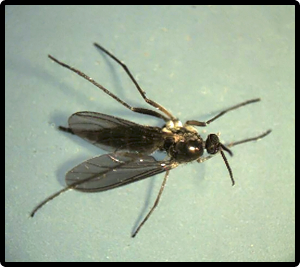
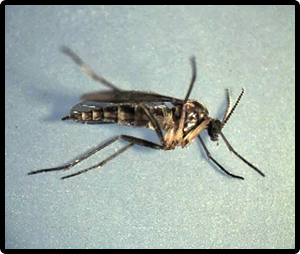
Dark-winged Fungus Gnat
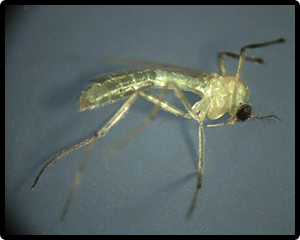
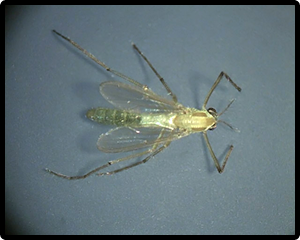
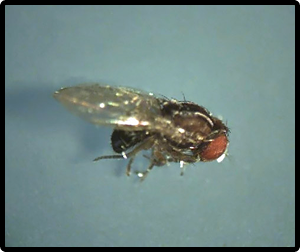
Little Green Fly
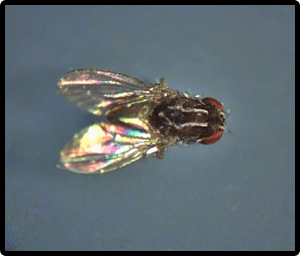
Dorsal view. Fly is a bit over 3 mm long.
Dorsal view. Body length is 2 mm. Identification made by Dr. Martin Hauser, California Department of Food and Agriculture.
Red Eye Two Stripe Fly
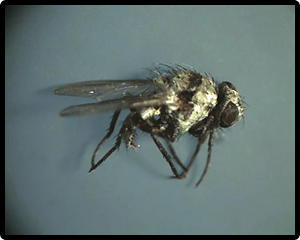
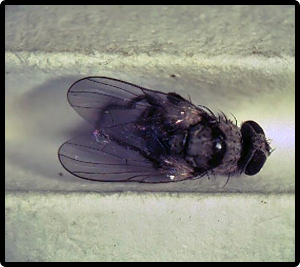
Cross-stripe Fly
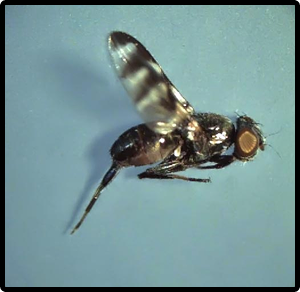
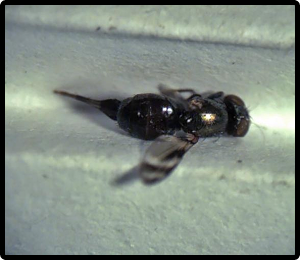
Stripe-wing Fly
This fly is 3 mm long. It is probably a type of picture wing fly (Euxesta sp.)
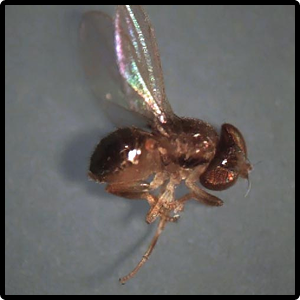
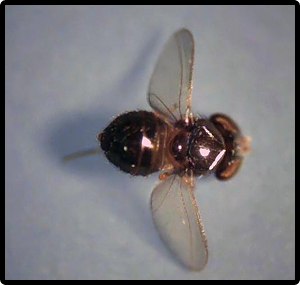
Black-back Fly
This fly is 2 mm long.
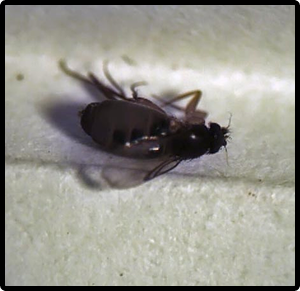
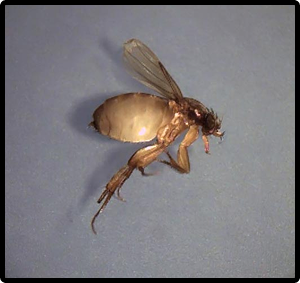
Fat Body Fly
Body is 3 mm long.
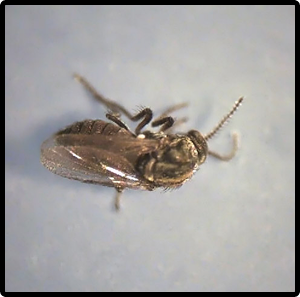
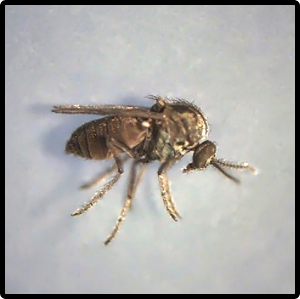
Grey Fly
This fly is 2 mm long.
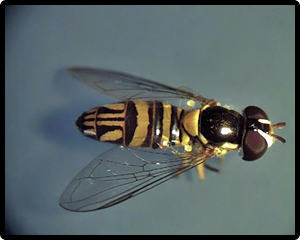
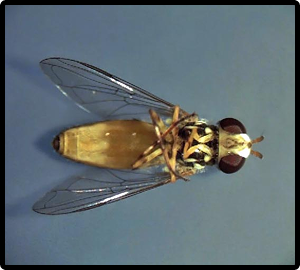
Yellow Hoverfly (aka Syrphid Fly)
Body length is 12 mm.
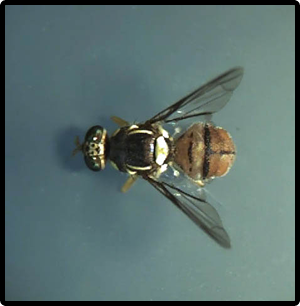
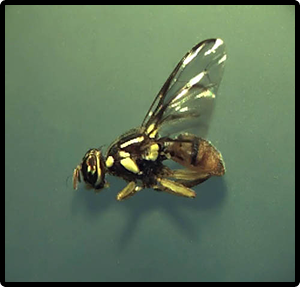
Side view. Body length is 7 mm. Per David Preston of the Bishop Muesum “This is the oriental fruit fly Bactrocera dorsalis (Hendel) which attacks over 300 cultivated and wild fruits including Annona (cherimoya, atemoya, sugar apple), avocado, banana, bittermelon, citrus, coffee, guava, macadamia, mango, papaya, passion fruit, peppers, persimmon, and tomato. Accidentally introduced into Hawaii in 1944 or 1945 (Fullaway, 1947).”
Oriental Fruit Fly
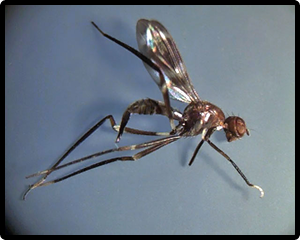
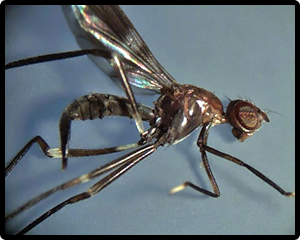
Per Frank Howarth of the Bishop Museum: “the animal is a true fly, order Diptera, not a wasp, but the species has evolved to fool potential predators. The species is Taeniaptera angulata (Loew, 1866), family Micropezidae, “the stilt-legged flies.” It’s a relatively recent introduction to Hawaii. The larvae live in damp rotting fleshy plant material, such as rotting sugar cane.”
Wasp Mimic
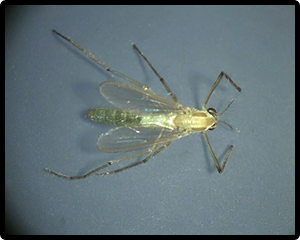
Biting Midge