
Insects: Orthoptera
Japanese Broadwinged Katydid (Holochlora japonica)
Cone-headed Katydid (Euconocephalus nasutus)
Narrow-winged Katydid (Elimaea punctifera)
Katydid nymph (Conocephalus saltator) ?
Vagrant Grasshopper (Schistocerca nitens)
Nanixipha Cricket (Nanixipha nahoa)
Field Cricket (Teleogryllus oceanicus)
Walkingstick (Diapheromera femorata)
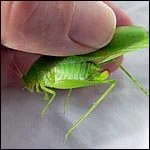
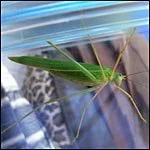
Japanese Broadwinged Katydid
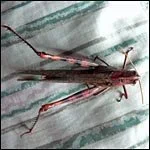
Narrow-winged Katydid
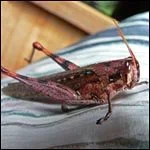
Vagrant Grasshopper
Body plus wing length = 6.5 cm. Per David Preston of the Bishop Museum “This looks like the Vagrant Grasshopper Schistocerca nitens (Thunberg) (Orthoptera: Acrididae). It’s been in Hawaii for more than 40 years. Although a large species it has not become a major pest. It can defoliate a small plant in one evening of feeding and can be a pest on some native Hawaiian species. Found throughout the Hawaiian Islands including many of the offshore islets.”
About 5 cm long.
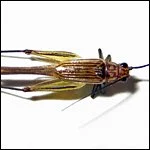
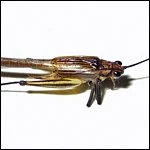
This is a new introduced cricket first identified on Maui in 2002. Body length including the ovopositor is 12mm.
Nanixipha Cricket
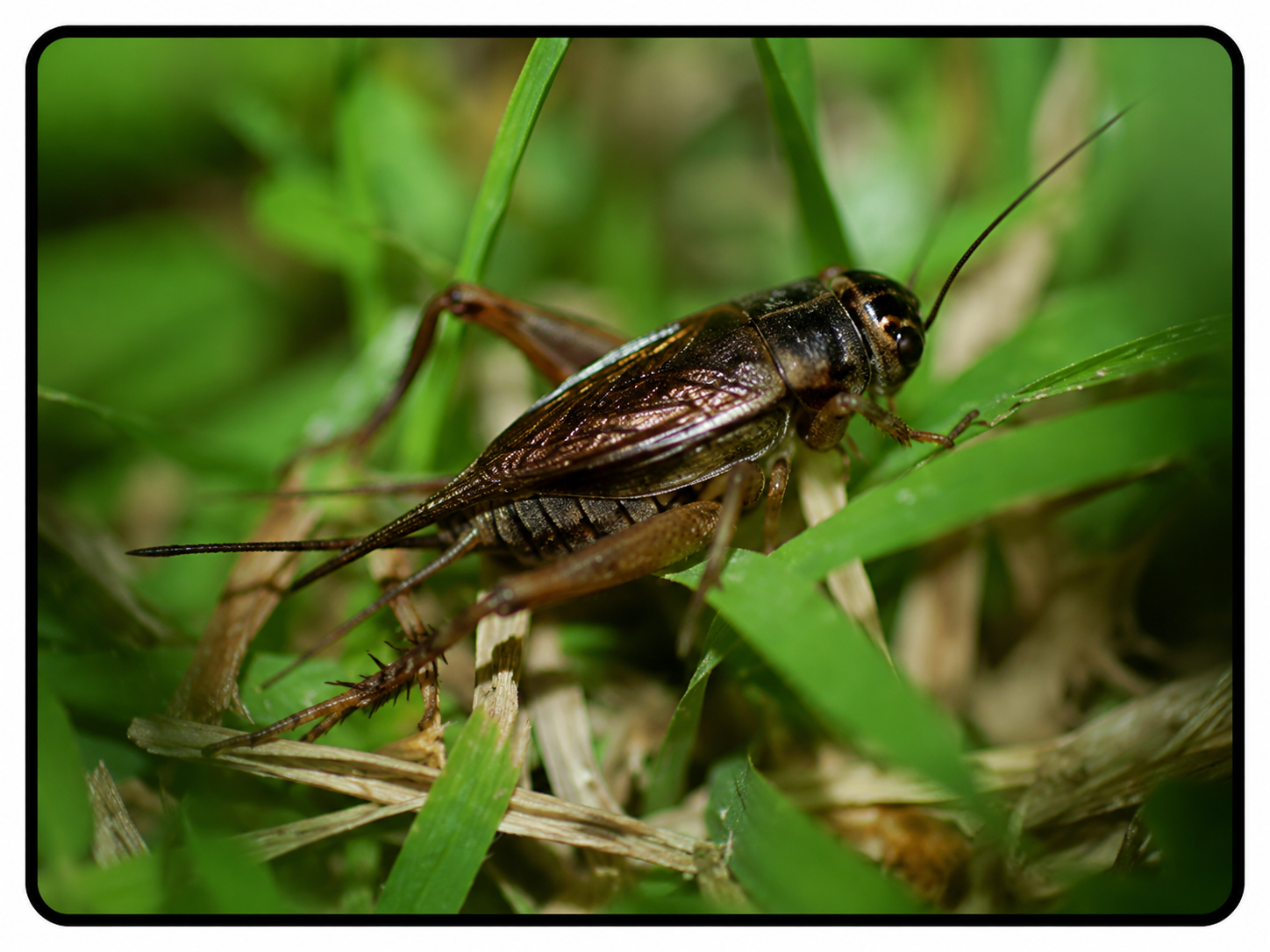
Field Cricket
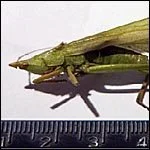
Cone-headed Katydid
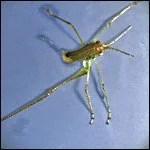
Kaytdid nymph
This katydid nymph was found on a Basil plant. Body length is 4 mm. Specimen, obviously damaged during collection. Per Frank Howarth at the Bishop Museum this is “a very young nymph of a katydid (also known as the long-horn grasshoppers), family Tettigoniidae. The specimen is too broken to ID with certainty. It is certainly non-native as nymphs of our native katydids look different. It could be Conocephalus saltator(Saussure, 1859), but that’s a wild guess.”
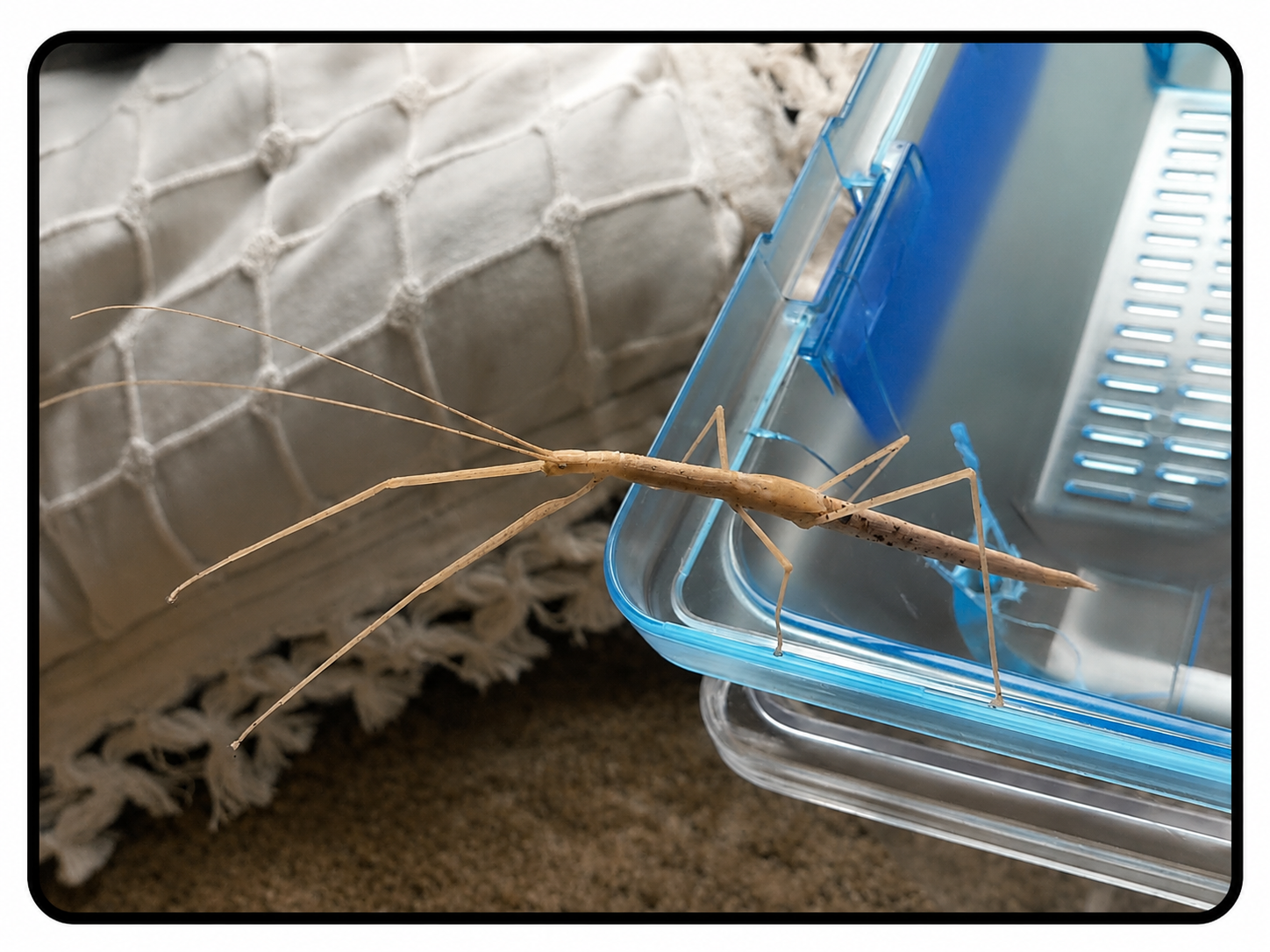
Walkingstick