
Insects: termites and ants
Formosan Subterranean Termite (Coptotermes formosanus)
Lowland Tree Termite (Incisitermes immigrans)
West Indian Drywood Termite (Cryptotermes cavifrons)
White-footed Ant (Technomyrmex albipes)
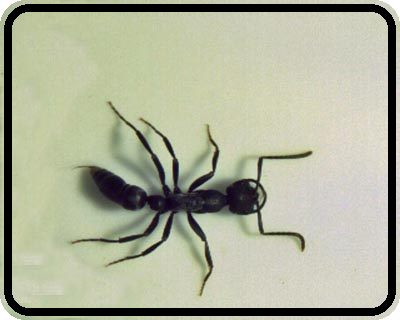
Leptogenys Ant (Leptogenys falcigera)
Crazy Ant (Paratrechina bourbonica) ?
Liliuokalani Ant (Monomorium liliuokalanii)
Little Yellow Ant (Plagiolepis alluaudi)
Hawaiian Carpenter Ant (Camponotus variegatus)
Black House Ant (Ochetellus glaber)
Brown House Ant (Pheidole megacephala)
Cardiocondyla Ant (Cardiocondyla obscurior)
Paratrechina Ant (Paratrechina bourbonica)
Bicolored Trailing Ant (Monomorium floricola)
Ghost Ant (aka Black-headed Ant) (Tapinoma melanocephalum)
For high quality ant pictures see http://www.discoverlife.org/mp/20q?guide=Ants_Hawaii
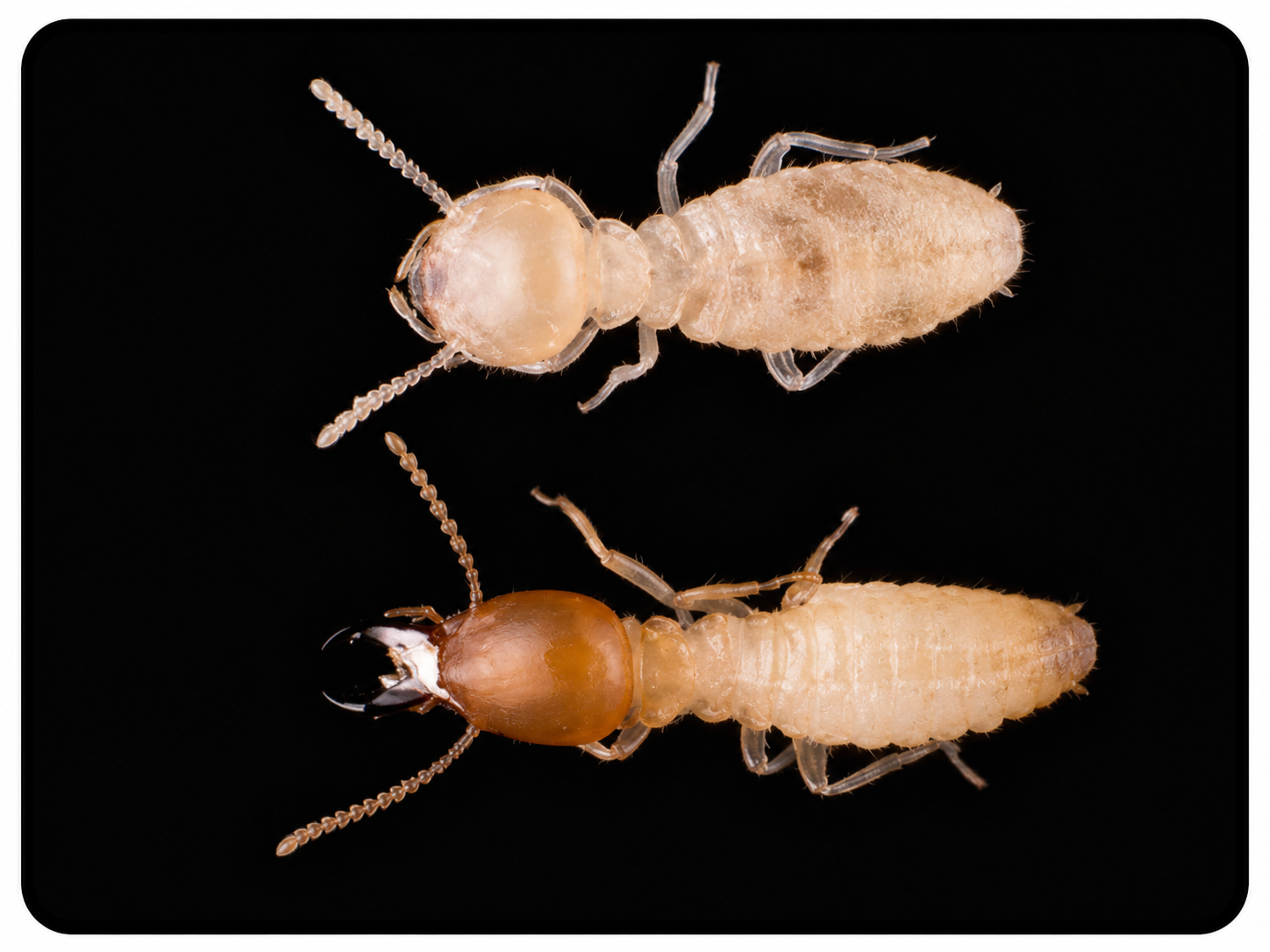
Formosan Subterranean Termite
Accidentally introduced before 1869. Originally from Taiwan or South China.
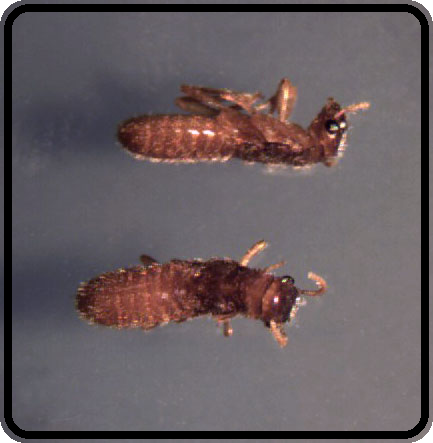
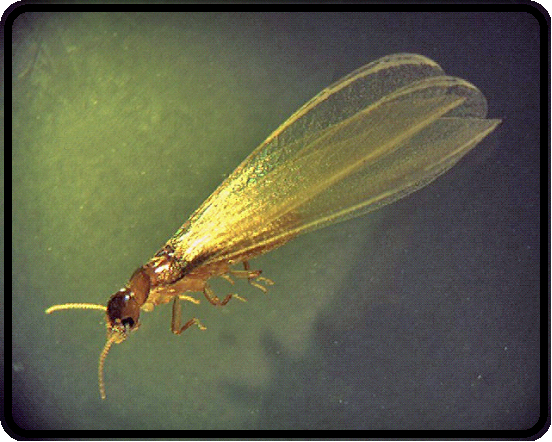
West Indian Dry Wood Termite
After loss of wings.
The West Indian termite was probably introduced from tropical America before 1869.
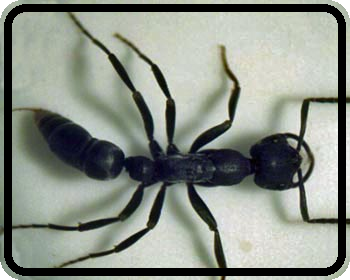
Leptogenys Ant
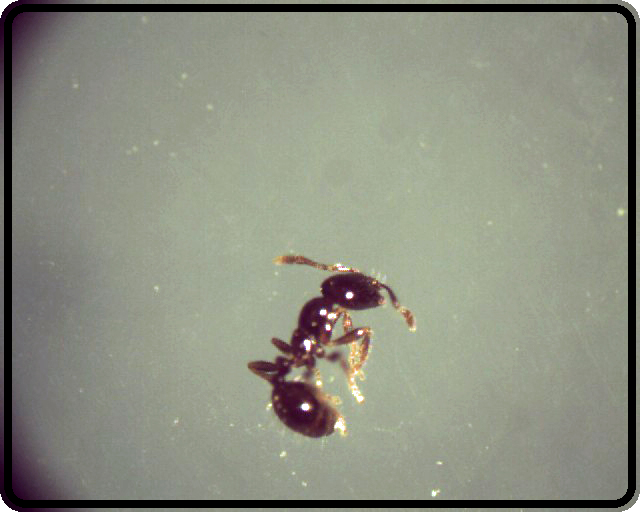
The body length of this ant is about 7 mm.
Liliuokalani Ant
Despite the Hawaiian name, this is a non-native ant. This is a very small ant, about 1 mm long.
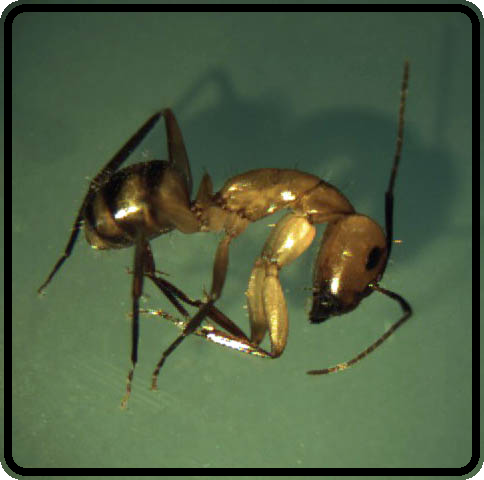
This is a very large ant, about 9 mm long. Although not originally from Hawaii, this ant was first discovered and described in Hawaii. It is a wood eater, commonly found in houses in dry leeward areas of Hawaii.
Hawaiian Carpenter Ant
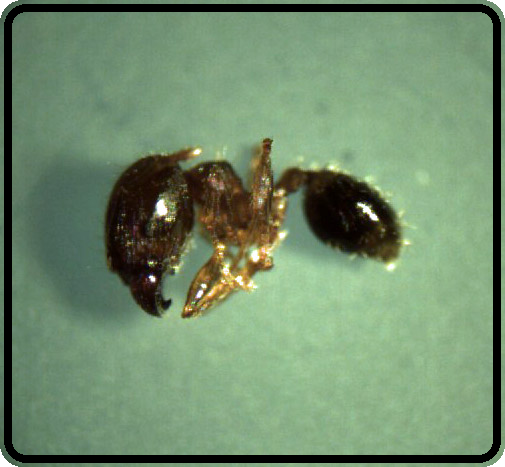
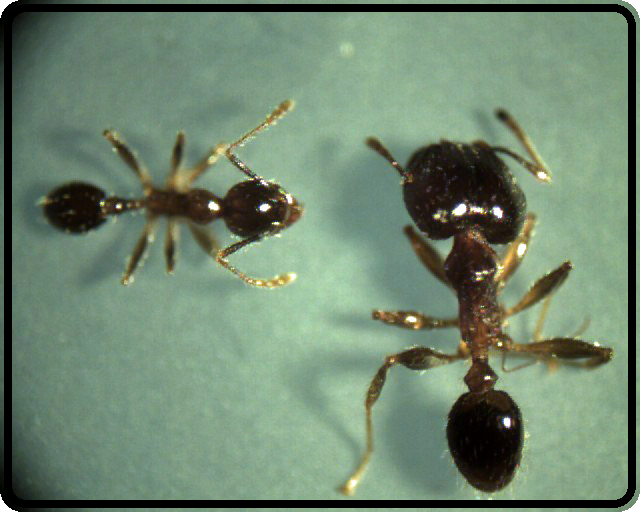
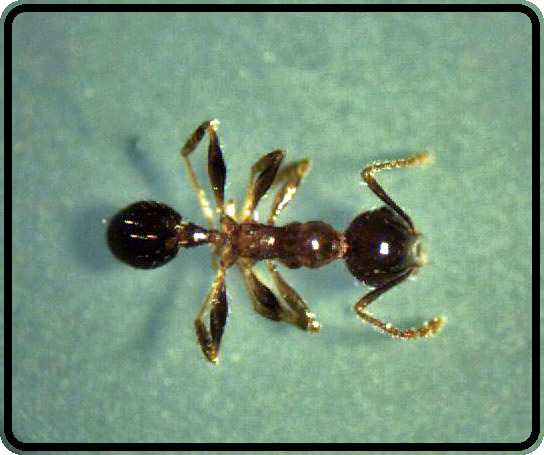
Brown House Ant (aka: Bigheaded ant; Big-Headed Ant; Lion Ant)
Soldier and worker.
Pheidole megacephala is one of the world's worst invasive species. Believed to be native to southern Africa, it is now found throughout the temperate and tropical zones of the world. It is a serious threat to biodiversity through the displacement of native invertebrate fauna.
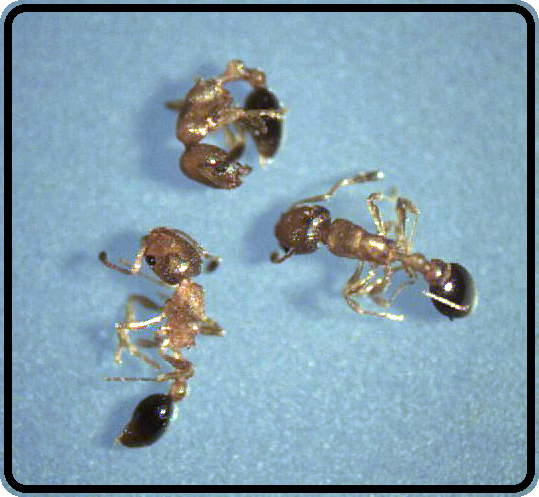
This small ant is about 2 mm long. This is a tropical ant that is widespread and thought to originate in Africa.
Cardiocondyla Ant
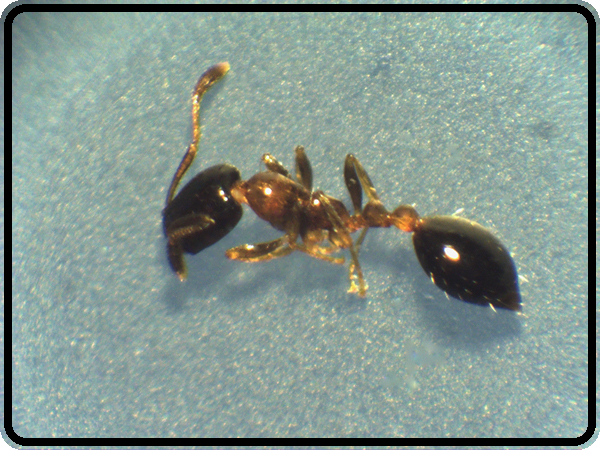
Bicolored Trailing Ant
Body length about 2 mm.
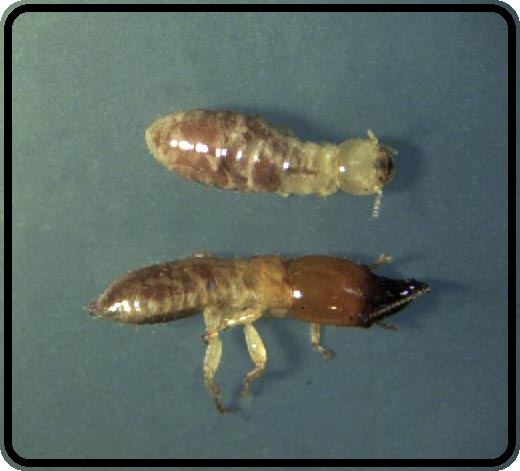
Lowland Tree Termite
This termite is native to Hawaii.
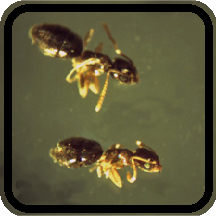
White-footed Ant
Small ant about 1.5mm in length.
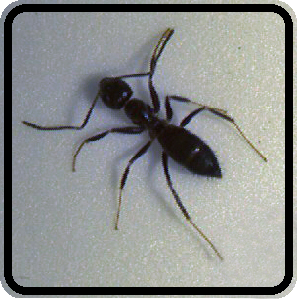
Crazy Ant
This ant is about 3mm long and runs very fast.
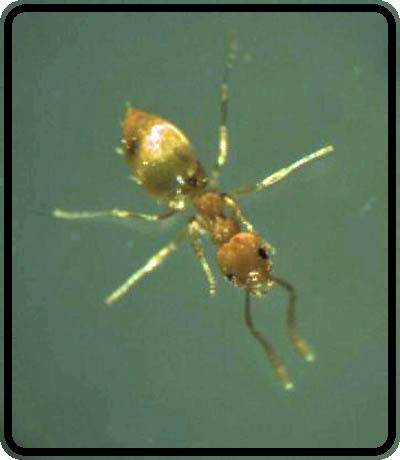
This ant is about 1mm long. It is widespread in tropical and subtropical regions of the world. It is considered to be Afrotropical in origin and spread by human commerce.
Little Yellow Ant
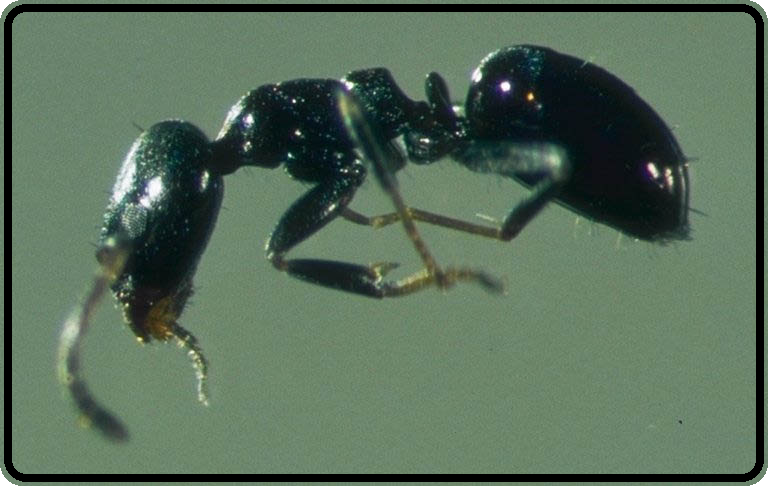
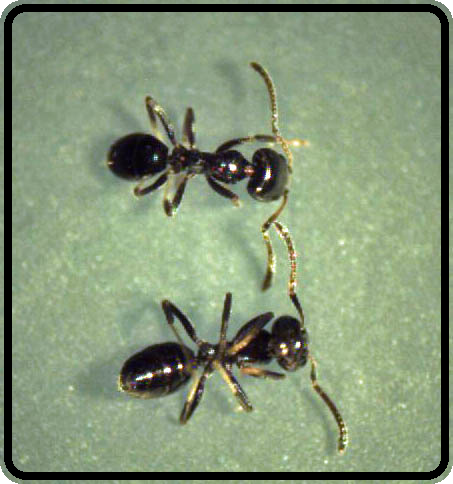
Dorsal and ventral view. This small ant is about 2 mm long. It is thought to have come from Australia.
Black House Ant
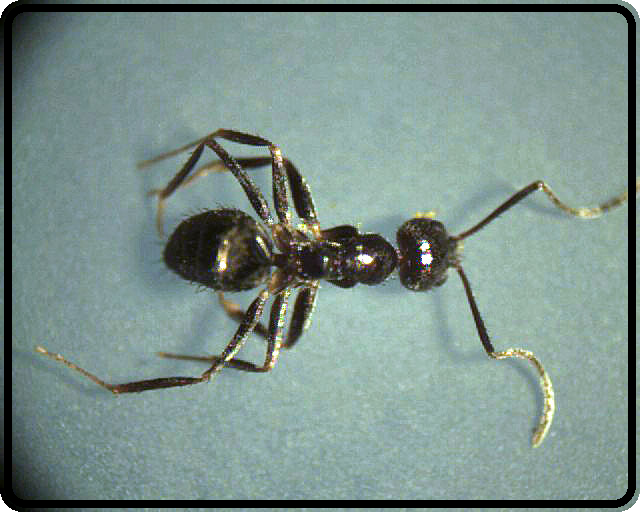
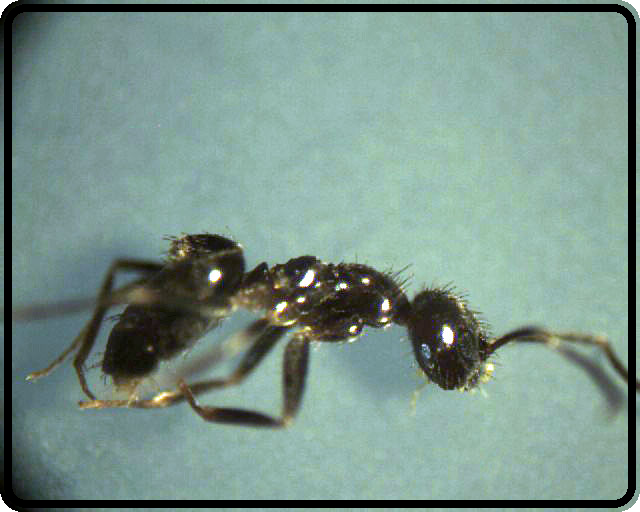
Paratrechina Ant
Dorsal view. Body of this ant is about 3 mm long.
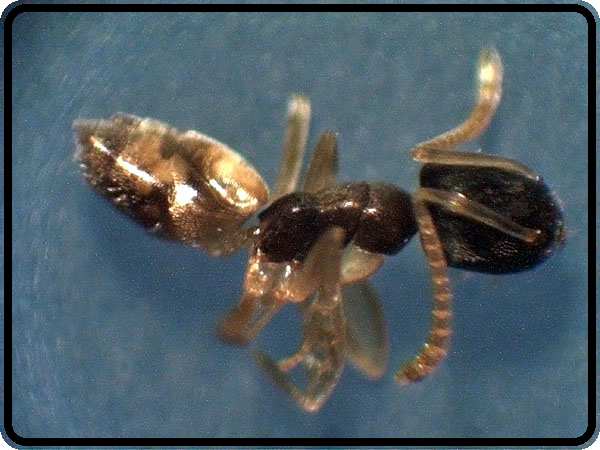
This is a very small ant with a body size of about 1.5 mm.
Tapinoma melanocephalum is known as a tramp ant as its spread around the globe has been assisted by human activities.
Ghost Ant (aka Black-headed Ant)